
Apache Attack Helicopter: Price and Performance Comparison Between Domestic and Imported Models
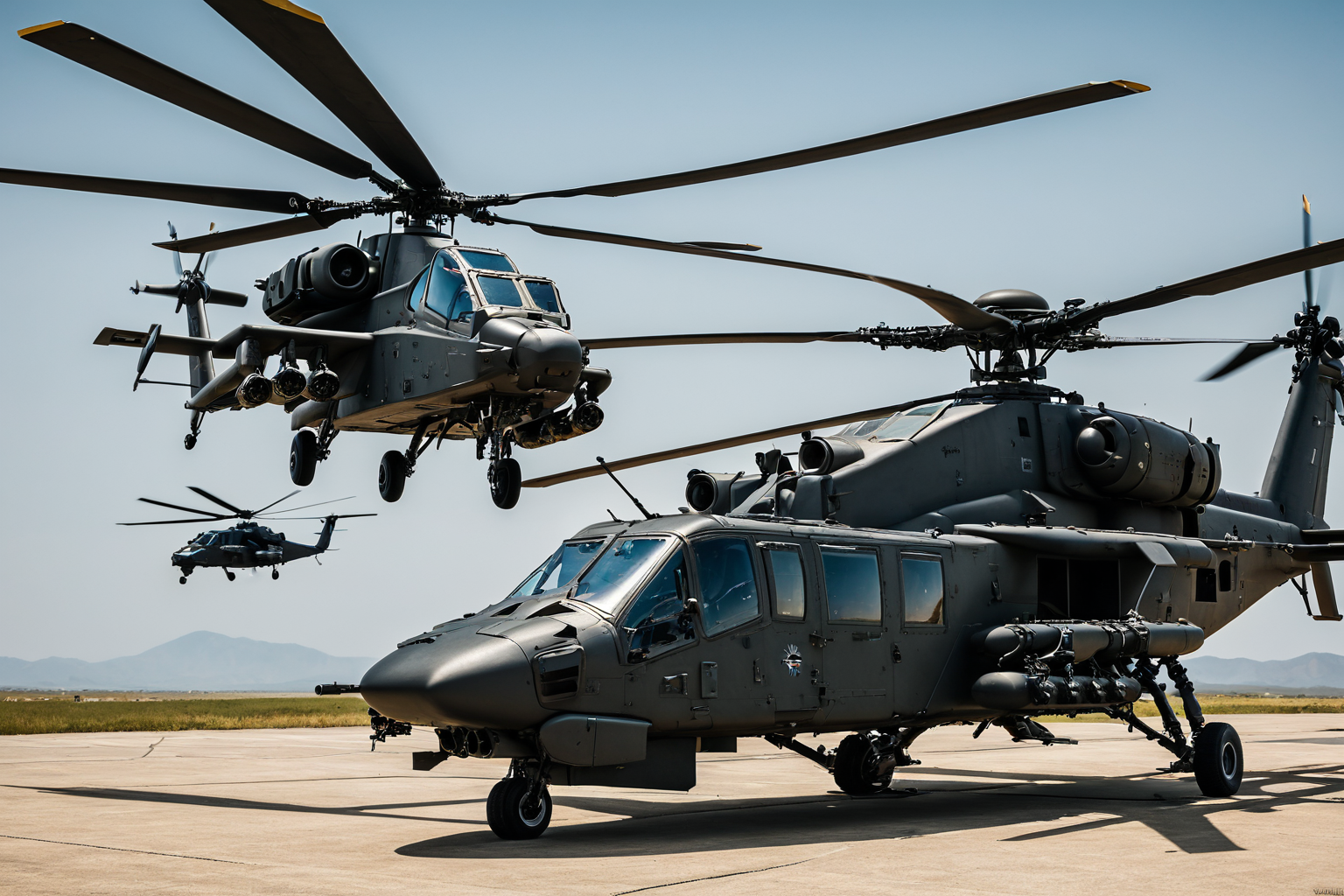
National Helicopters vs Apache Attack Helicopters: The Price and Performance Dilemma
In 2024, South Korea's second-phase large attack helicopter procurement project was canceled, reigniting debates about the Apache and domestically developed helicopters. Initial Apache purchases in 2013 cost around KRW 30 billion, but recent reports suggest an additional purchase could reach KRW 470 billion (approximately $350 million), driven by price increases and advancements in drone technology leading to strategic reconsideration.
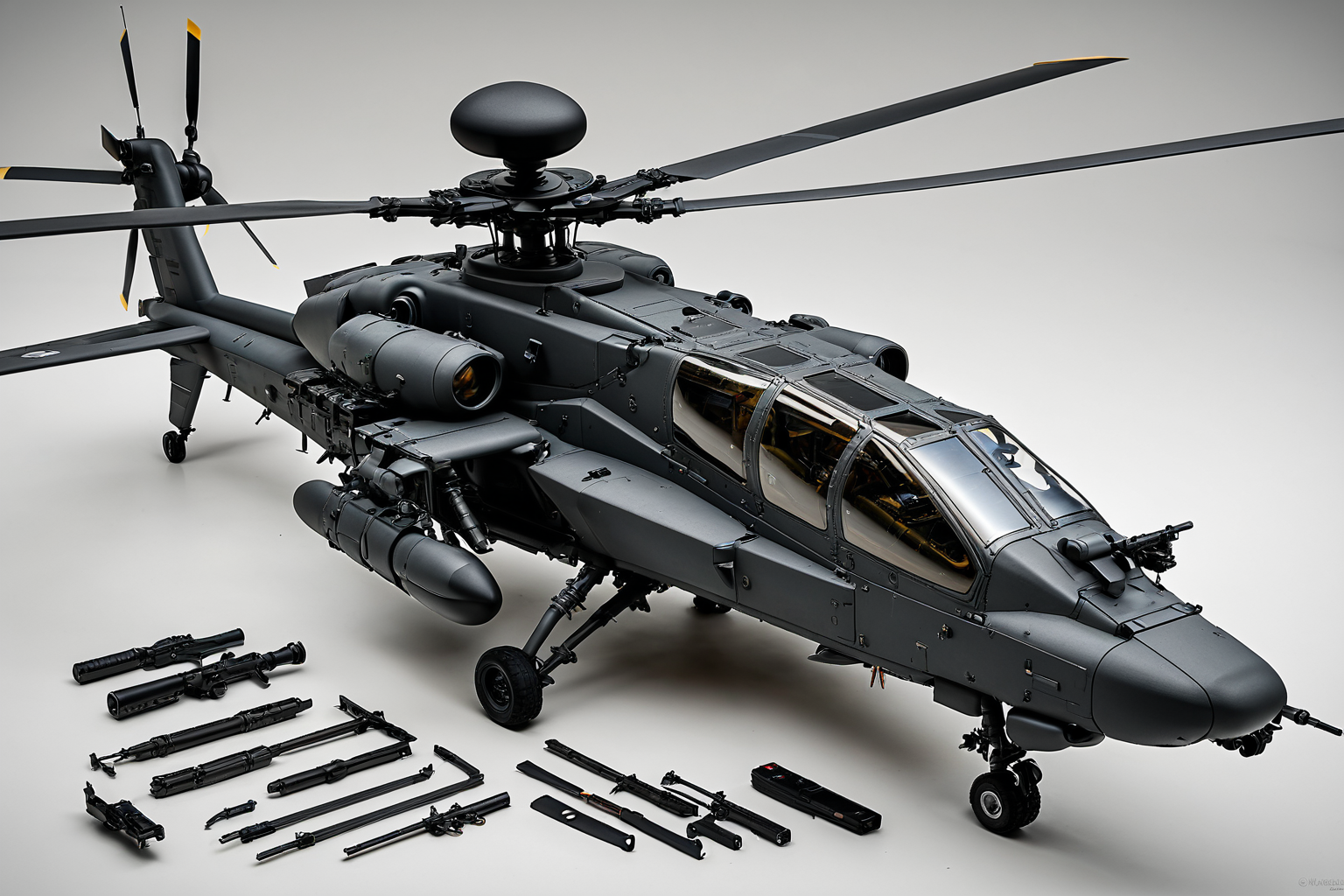
The History and Procurement of Apache Helicopters
The Apache attack helicopter was introduced in 2013, with an initial purchase of 36 units costing KRW 30 billion to counter North Korean air-cushion vehicles and tanks. Recent reports indicate that a potential additional procurement could cost up to KRW 470 billion (approximately $350 million), including infrastructure as part of the package offered by Boeing.
A report from JoongAng Ilbo on April 17, 2013, stated that the Army had procured 36 Apache attack helicopters, a strategic decision to counter North Korean threats.
Price Discrepancy and Reasons for Project Cancellation
The procurement price of Apache helicopters has dramatically increased from KRW 30 billion (2013) to KRW 470 billion (2024), influenced by technological advancements, inflation, and Boeing's package pricing strategy. On November 26, 2024, the second-phase large attack helicopter project was canceled due to concerns over price issues and declining competitiveness caused by drone technology development.
According to a Chosun Ilbo report on August 20, 2024, the U.S. approved the sale of Apache helicopters worth KRW 470 billion (approximately $350 million) to South Korea. However, similar reports from Yonhap News Agency in the same month indicated that additional procurement was under review due to rapid price increases.
Drone Technology Advancements and Countermeasures
The Apache's performance remains high, but its competitiveness has declined due to advancements in drone technology. A report dated June 11, 2026, noted that the U.S. military used drones costing KRW 53 million for an airstrike on Iran, highlighting a lower cost-effectiveness ratio compared to the Apache's KRW 38.2 billion per unit. This illustrates that while Apaches maintain high combat capability, their cost efficiency is less favorable than newer drone systems.
Nationally, the next-generation attack helicopter 'Apache Guardian' has been selected at a cost of KRW 1.8 trillion (approximately $1.35 billion). This selection appears to balance economic feasibility and performance considerations.
Debates Over Domestic Armed Helicopters
Discussions have arisen regarding the operational performance and price of South Korea's domestically developed armed helicopter 'Marineon.' A report from Kyunghyang Shinmun on December 16, 2020, covered comparisons between Marineon's cost and performance for its selection as a marine corps landing assault helicopter.
These debates emerged during efforts to find alternatives to Apache helicopters. While some criticized Marineon's competitiveness compared to the Apache in terms of performance and price, the government has focused on developing next-generation helicopters.
Accidents and Safety Concerns
An AH-64 Apache helicopter crash occurred within the U.S. military on August 13, 2026, resulting in the deaths of two pilots. This incident raised concerns about the safety of Apache helicopters.
Domestically, reports indicated that a crashed American AH-64 Apache helicopter was evaluated as one of the top attack helicopters following its crash in Wonju. This coverage further highlighted debates surrounding the Apache's performance and risks.
Verified Information
The procurement price for Apache helicopters has risen from KRW 30 billion (2013) to KRW 470 billion (2024). However, this figure represents a package price including infrastructure, with exact details on the scale and technical specifications remaining unclear. Additionally, 'Apache Guardian' was selected at a cost of KRW 1.8 trillion, though this relates to future procurement plans.
Reports from 2024 suggested that purchasing 36 Apache helicopters for approximately KRW 1.8 trillion might be possible, but specific pricing details were not provided in the sources. Pricing may vary depending on timing and scale of procurement.
Frequently Asked Questions
Why does the Apache helicopter cost up to KRW 470 billion?
The recent report indicates that an additional Apache helicopter procurement, including infrastructure as part of a package, could reach KRW 470 billion (approximately $350 million), driven by technological advancements, inflation, and Boeing's pricing strategy.
Which is more economical: domestic helicopters or the Apache?
The domestically developed armed helicopter 'Marineon' faced performance and price debates. However, the next-generation attack helicopter 'Apache Guardian,' selected at KRW 1.8 trillion (approximately $1.35 billion), appears to balance economic feasibility and performance.
What impact has drone technology had on Apache helicopters?
Advancements in drone technology have reduced the competitiveness of Apache helicopters. The U.S. military used drones costing KRW 53 million for an airstrike on Iran, while Apaches cost KRW 38.2 billion per unit, leading to greater preference for drone systems.
Frequently Asked Questions
The sharp price increase of Apache helicopters and strategic reconsideration due to drone technology advancements have significantly influenced South Korea's defense policy. While the initial 36 Apaches procured in 2013 successfully countered North Korean threats, current strategies are shifting toward next-generation helicopter development with economic and technological considerations.
Nationally, 'Apache Guardian' has been selected at a cost of KRW 1.8 trillion (approximately $1.35 billion), reflecting an emphasis on balancing economics and performance. However, precise details regarding additional Apache procurement pricing and the domestic helicopter development status remain under close scrutiny.
As verified to date, Apache helicopters maintain high performance but are undergoing strategic reconsideration due to economic factors and technological changes. This represents a continuous evolution in defense policy strategy.
You can view more articles on similar topics at once.
View Related ArticlesFAQ
Why does the Apache helicopter cost up to KRW 470 billion?
Recent reports suggest an additional Apache procurement, including infrastructure as part of a package, could reach KRW 470 billion due to technological advancements, inflation, and Boeing's pricing strategy.
Which is more economical: domestic helicopters or the Apache?
'Apache Guardian,' selected at KRW 1.8 trillion, balances economic feasibility and performance. Domestic 'Marineon' faced criticism but development continues.
What impact has drone technology had on Apache helicopters?
Drone technology advancements reduced Apache competitiveness; U.S. military used cheaper drones (KRW 53 million) over Apaches (KRW 38.2 billion per unit) for airstrikes.
Korean Source
This article is an English localization of a Korean-language report from BlogScore. Original: AH-64 아파치 공격헬기 가격과 성능 비교