
Analyzing the Connection Between Chuseok Sentiment, Livelihood, and Economic Indicators
Chuseok Public Sentiment and Political Responses
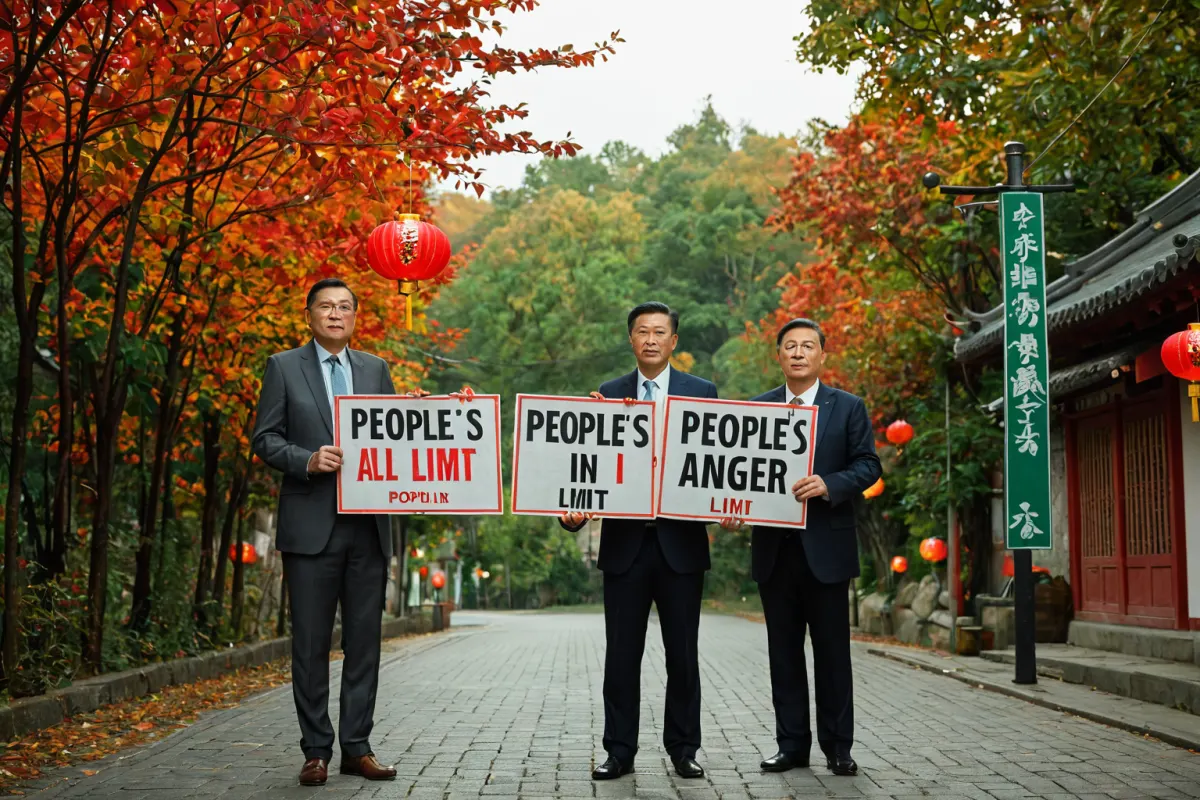
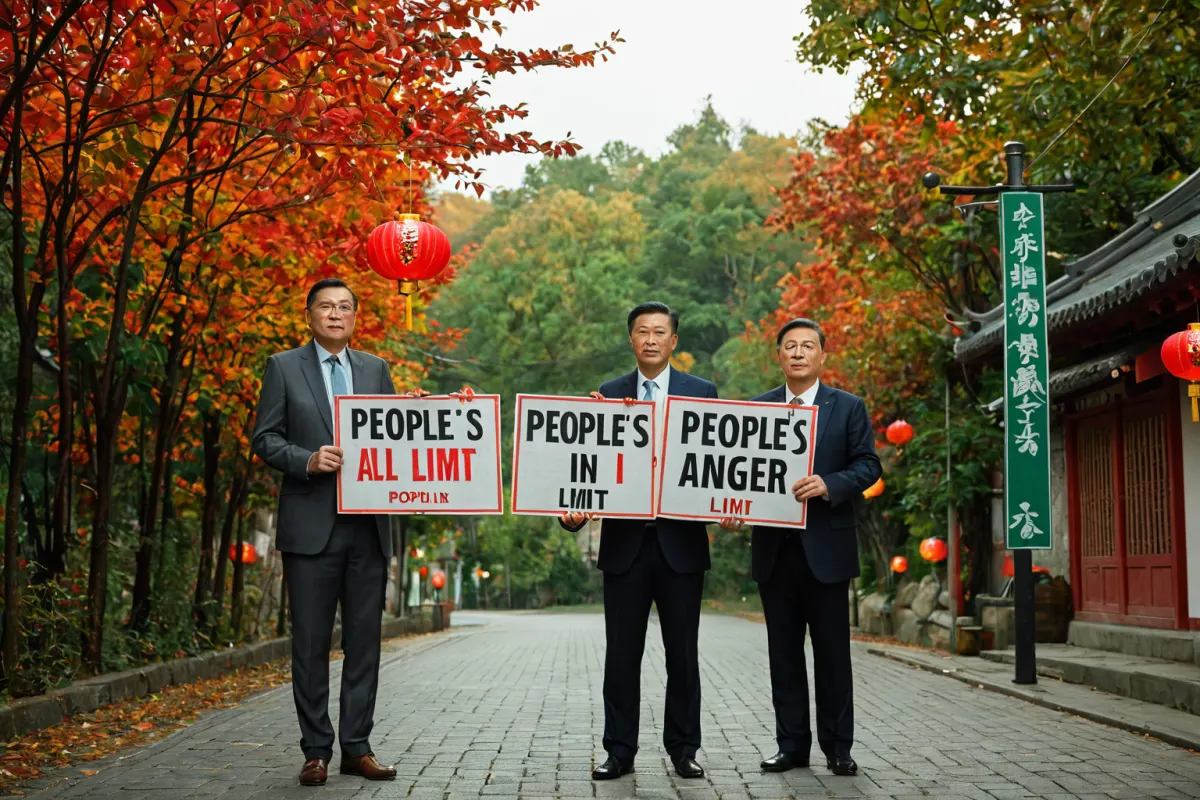
Political parties in South Korea are taking opposing stances on Chuseok public sentiment. The Democratic Party emphasized 'all-in for livelihoods' and designated the regular parliamentary session as a 'livelihood-focused policy congress,' while the People Power Party framed it as reaching the 'limit of public anger.'
Both parties prioritize livelihood issues, but their approaches to solutions and response speed differ. The Democratic Party is focusing on improving housing costs and real estate policies to restore tangible improvements in daily life.
Youth Support Rates Data
In the 20s demographic, support for the Democratic Party stands at 22.7%, while the People Power Party has a 53.8% rating, indicating growing concern among young people about the current government led by Lee Jae-myung.
Jo Guk Hyun Dang (Justice Reform Party) warned of division within progressive forces and urged cooperation on livelihood and reform issues. This reflects how political polarization is particularly evident among younger voters.
Economic Indicators vs. Perceived Economic Conditions
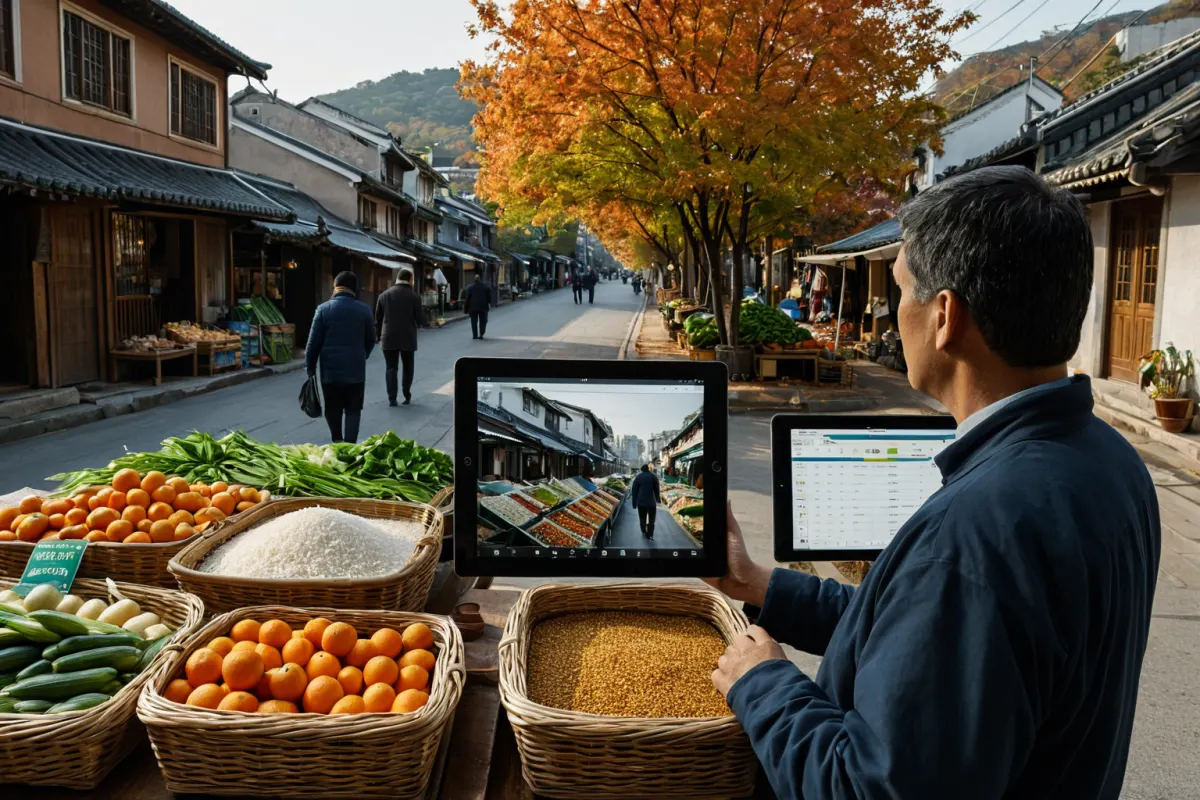
Despite improvements in economic indicators, reports indicate that perceived economic conditions remain difficult for many citizens. This suggests policies are not effectively reaching people's daily lives.
The Democratic Party has pledged to focus on livelihood legislation during the regular session, while the opposition party warns of potential clashes over issues like nationwide land surveys. Political tensions are escalating.
Solutions to Livelihood Issues
The Democratic Party is focusing on improving housing costs and real estate policies to restore tangible improvements in daily life. This strategy reflects the coexistence of improving economic indicators and continued difficulty in perceived economic conditions.
The People Power Party warns of 'economic and security collapse' and calls for policy shifts. Both parties recognize the importance of livelihood issues but differ significantly in their approaches.
Rank Changes and Future Outlook
How do political responses to Chuseok sentiment differ between parties?
The Democratic Party emphasized 'all-in for livelihoods' during the regular session, while the People Power Party warned of reaching the 'limit of public anger' and demanded policy changes.
What were the youth support rates like?
In the 20s demographic, support for the Democratic Party was 22.7%, while the People Power Party had a 53.8% rating.
Why do improving economic indicators coexist with difficult perceived economic conditions?
Policies are not effectively reaching daily life, so while official data shows improvement, citizens' lived experiences remain challenging.
You can view more articles on similar topics in one place.
View Related ArticlesFAQ
How do political parties respond to Chuseok public sentiment?
The Democratic Party emphasizes 'all-in for livelihoods' while the People Power Party warns of 'limit of public anger,' reflecting different approaches to addressing citizens' concerns.
What youth support rates were reported during this period?
In the 20s demographic, the Democratic Party had 22.7% support versus 53.8% for the People Power Party.
Why do economic indicators improve while citizens feel economic hardship?
Policies are not effectively reaching daily life, creating a gap between official data and lived experiences.
Korean Source
This article is an English localization of a Korean-language report from BlogScore. Original: 추석 민심 민생과 경제 지표의 연관성 분석