
Analyzing the 2018 Heatwave: Climate Change and Agricultural Impact
Analyzing the 2018 Heatwave
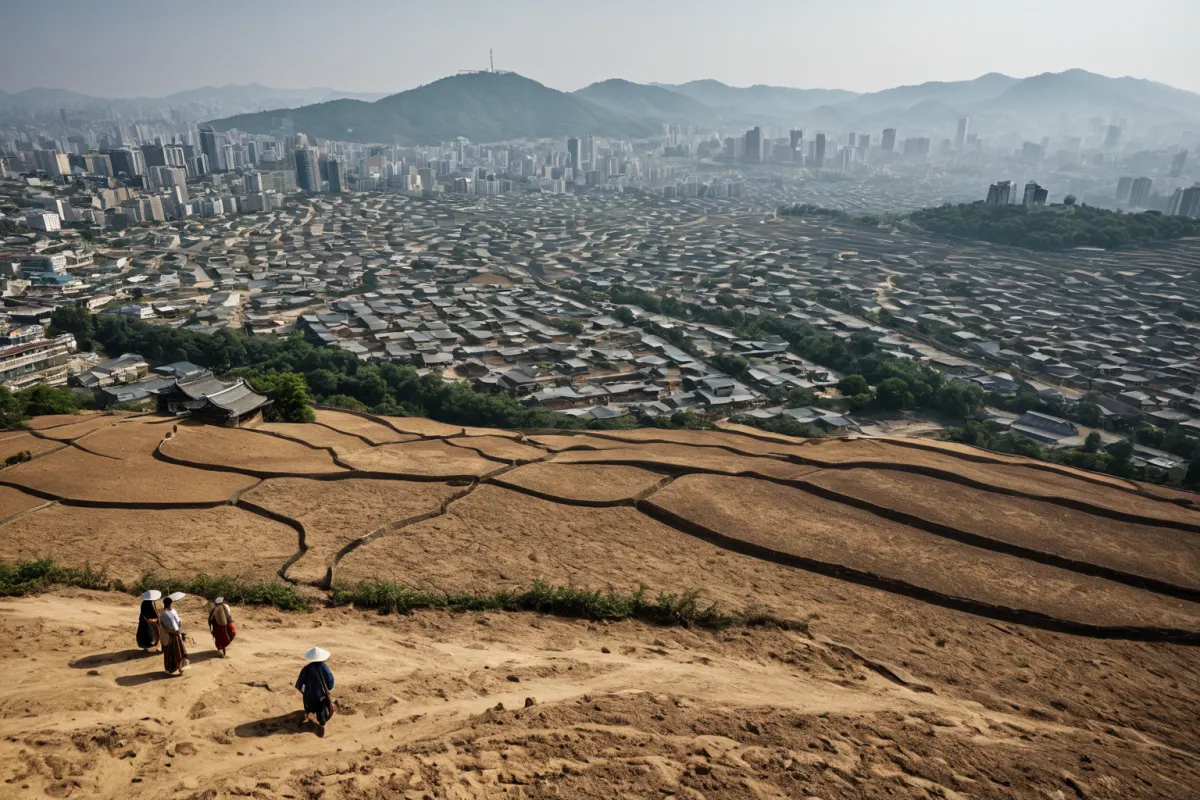
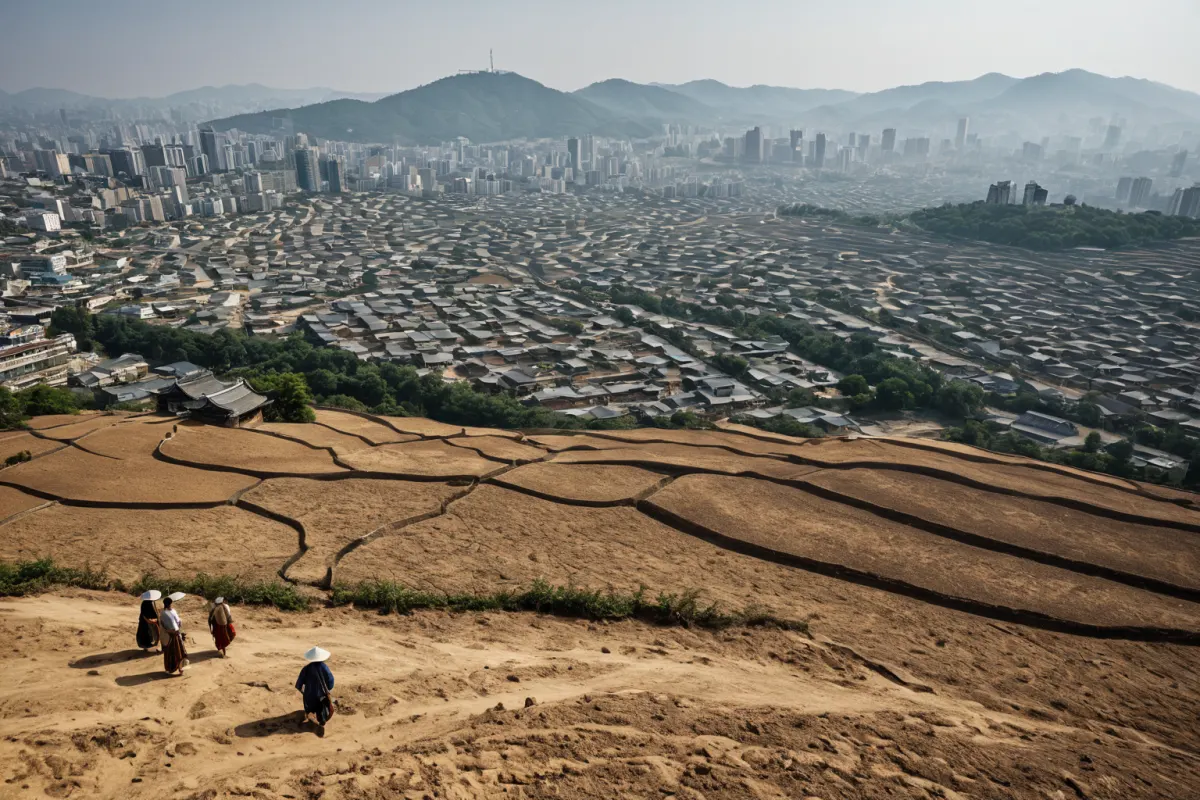
In 2018, the Korean Peninsula experienced extreme heat with temperatures reaching a record high of 42.5 degrees Celsius. This heatwave was an example of climate change-induced extreme weather, as persistent influence from the North Pacific High led to prolonged periods of around 40°C heat across the peninsula. Specifically, the strengthening of the North Pacific High allowed hot air masses from continental interiors to flow into the region, accelerating temperature rises—a mechanism showing how climate change triggers extreme weather events.
The Korea Meteorological Administration (KMA) released a 2018 Extreme Weather Report on February 12, 2019, detailing abnormal weather phenomena such as heatwaves and droughts. The report explicitly linked climate change to agricultural damage, explaining the severe impact on farming. It analyzed how concurrent heatwaves and droughts directly affected crop growth cycles and harvest yields, with additional damage from pests and diseases spreading in high-temperature, humid conditions.
Record-Breaking Heatwave and Agricultural Damage
In July 2018, the Korean Peninsula recorded a historic high of 42.5°C—reaching this temperature for the first time in 122 years, showing how extreme the heat became. In agriculture, concurrent heatwaves and droughts caused massive damage. Rice-growing areas experienced delayed crop growth due to water shortages, with grain harvests significantly reduced.
Canadian pumpkin growers and Belgian farmers suffered direct losses from the heatwave and drought, filing lawsuits over climate change-related damages. In Canada, prolonged heat during pumpkin cultivation led to a 30% drop in yields, while Belgian farmers sued global oil companies, identifying them as key contributors to climate change. These cases highlight how climate change affects agriculture worldwide.
The KMA report noted that sudden droughts spreading during the heatwave exposed limitations in current early warning systems. This suggests inadequate responses to extreme weather events caused by climate change. Specifically, delayed predictions and responses during rapid drought expansion can severely impact agricultural productivity.
Connection Between Climate Change and Heatwaves
The 2018 heatwave was an example of climate change-induced extreme weather that significantly damaged agriculture. Persistent influence from the North Pacific High led to prolonged periods of around 40°C heat, delivering a direct blow to climate-sensitive sectors like farming and fisheries. The KMA report emphasized that heatwaves caused by climate change are becoming increasingly severe. By 2100, temperatures on the Korean Peninsula could rise up to 7°C faster than the global average, with heatwave days increasing ninefold compared to current levels.
Heatwaves intensified due to double high-pressure systems, causing widespread shock across economic, energy, and health sectors. Seoul particularly experienced severe impacts from the heatwave. Urban heat island effects worsened, making life in high temperatures more difficult, leading to health issues and increased energy consumption.
Climate change goes beyond rising temperatures—it reduces agricultural productivity, causes economic losses, and changes social structures. For example, reduced agricultural asset value directly impacted local economies, contributing to socioeconomic problems like declining birth rates.
Response and Safety Information
To address climate change and heatwaves, the KMA published the 2018 Extreme Weather Report outlining damage status and response strategies. However, the report noted limitations in current early warning systems during sudden droughts spreading amid heatwaves. Consequently, the KMA is researching improvements to its early warning system, particularly enhancing data collection and analysis systems for rapid responses when droughts and heatwaves occur simultaneously.
In agriculture, cases of lawsuits by Canadian pumpkin growers and Belgian farmers over climate-related damages emerged. These cases show a new trend in legal responses to climate change. Lawsuits against global oil companies highlight conflicts with industries identified as primary contributors to climate change. Such examples demonstrate how climate change has evolved from an environmental issue into economic and legal concerns.
Agricultural asset values on the Korean Peninsula decreased due to heatwaves, contributing to socioeconomic problems like declining birth rates. Climate change's impact extends beyond environmental issues, affecting agriculture, economy, and society as a whole. For example, reduced agricultural productivity directly links to fewer jobs in regions, potentially worsening social inequality.
Key Information to Verify
The KMA's 2018 Extreme Weather Report disclosed abnormal weather phenomena like heatwaves and droughts. The report explicitly linked climate change to agricultural damage, including future projections. It analyzed the 2018 heatwave as a climate change-induced extreme event and proposed response strategies for the future.
The 2018 heatwave persisted due to influence from the North Pacific High, resulting in South Korea recording a historic high of 42.5°C—first achieved in 122 years, indicating extreme conditions. This temperature was consistently observed during mid-July across most regions of the country, though with some regional variations.
Climate change caused agricultural damage, and lawsuits by Canadian pumpkin growers and Belgian farmers show a new approach to legally addressing climate-related economic losses. These cases are significant examples demonstrating how climate change affects agriculture globally.
Frequently Asked Questions
How is the 2018 heatwave related to climate change?
The 2018 heatwave was an example of climate change-induced extreme weather that significantly damaged agriculture. Persistent influence from the North Pacific High led to prolonged periods of around 40°C heat, delivering a direct blow to climate-sensitive sectors like farming and fisheries.
What was the scale of agricultural damage caused by the 2018 heatwave?
Canadian pumpkin growers and Belgian farmers suffered direct losses from the heatwave and drought, filing lawsuits over climate change-related damages. Agricultural asset value decline and declining birth rates were also linked to socioeconomic issues.
How is South Korea's heatwave situation expected to evolve by 2100?
By 2100, temperatures on the Korean Peninsula are projected to rise up to 7°C faster than global averages, with heatwave days increasing ninefold compared to current levels. This represents a clear example of climate change's severity.
You can view similar articles on this topic all at once.
View Related ArticlesFAQ
How is the 2018 heatwave related to climate change?
The 2018 heatwave was an example of climate change-induced extreme weather that significantly damaged agriculture. Persistent influence from the North Pacific High led to prolonged periods of around 40°C heat, delivering a direct blow to climate-sensitive sectors like farming and fisheries.
What was the scale of agricultural damage caused by the 2018 heatwave?
Canadian pumpkin growers and Belgian farmers suffered direct losses from the heatwave and drought, filing lawsuits over climate change-related damages. Agricultural asset value decline and declining birth rates were also linked to socioeconomic issues.
How is South Korea's heatwave situation expected to evolve by 2100?
By 2100, temperatures on the Korean Peninsula are projected to rise up to 7°C faster than global averages, with heatwave days increasing ninefold compared to current levels. This represents a clear example of climate change's severity.
Korean Source
This article is an English localization of a Korean-language report from BlogScore. Original: 2018년 폭염 원인 분석: 기후변화와 농업 피해