
Analyzing Shin Yubin and Im Jong-hoon's Exceptional Teamwork in Mixed Doubles
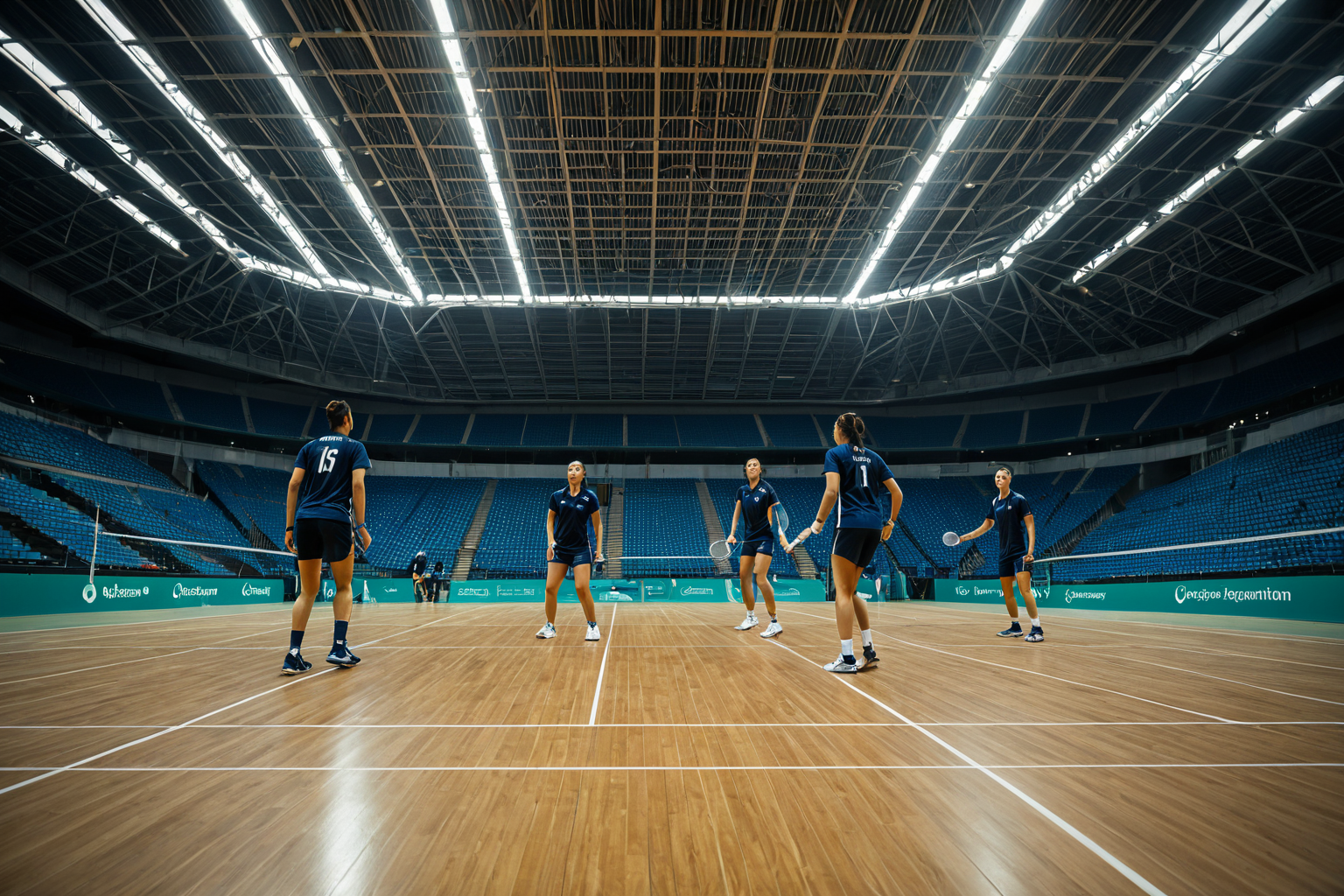
Key Features of Shin Yubin and Im Jong-hoon's Mixed Doubles Teamwork
Shin Yubin and Im Jong-hoon secured a dominant 3-0 shutout victory against Kazakhstan in just 17 minutes during their mixed doubles match, demonstrating exceptional teamwork. This wasn't merely a technical triumph but the result of psychological trust and strategic synchronization between the two players, who consistently anticipated and countered their opponents' attacks throughout the match. Their rapid speed and perfect positioning system in the quarterfinals have been hailed as setting a new benchmark for mixed doubles.
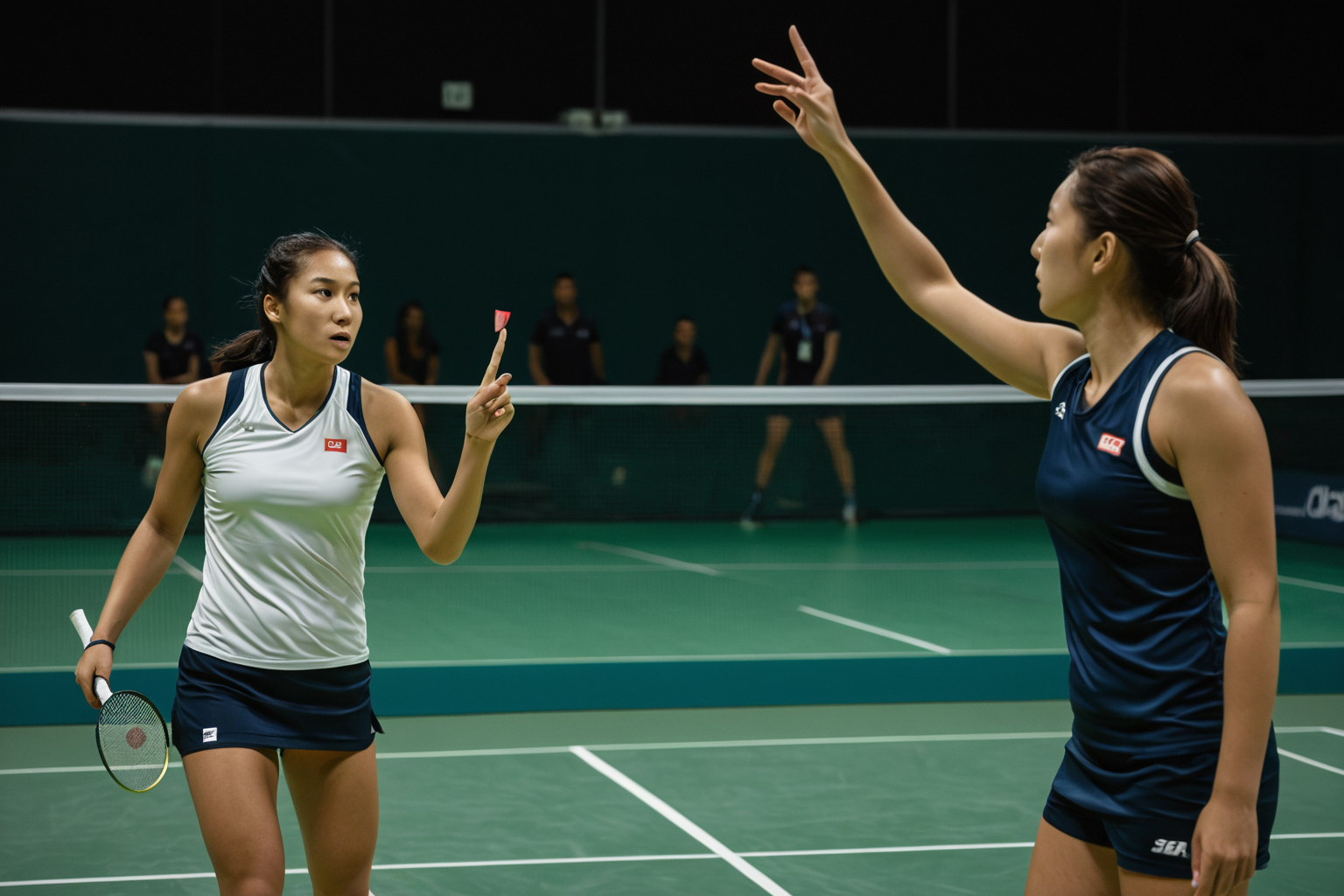
Analyzing Teamwork in Mixed Doubles Quarterfinal Match
In their quarterfinal match against Kazakhstan, Shin Yubin and Im Jong-hoon achieved a 3-0 victory in just 17 minutes—a remarkably swift win in mixed doubles competition. Throughout the match, both players accurately anticipated each other's positions to efficiently switch between offense and defense. Notably, Shin Yubin utilized her left-handed stroke to disrupt opponents' predictions, while Im Jong-hoon effectively combined central defensive positioning with offensive movements to target opponents' weaknesses.
The core of their teamwork was 'mutual complementarity.' Shin Yubin covered the wide court with her speed and agility, while Im Jong-hoon disrupted opponents' rhythm with powerful spin shots and precise hitting. Their subtle gestures and eye contact during matches served as signals of ongoing collaboration, stemming from psychological trust developed through years of practice rather than mere technical coordination.
Linking Asian Games and Paris Olympics Achievements
Shin Yubin and Im Jong-hoon previously secured an Olympic medal in mixed doubles at the 2024 Paris Olympics—the first for South Korea in 12 years. This achievement connects to their performance at the Asian Games, where they advanced to the semifinals against Taiwan and secured a bronze medal. This bronze medal was considered a precursor to their Olympic success, as it helped them develop international competition experience and psychological stability.
Their bronze medal win at the Asian Games served as a springboard for their Paris Olympics success. After reaching the semifinals against Taiwan in a closely contested match, they honed their competitive instincts and mental resilience on the global stage, which contributed to their outstanding performance at the Olympics—the ultimate testament to the effectiveness of their collaboration.
Physical Management Strategy Amid Four Matches Per Day
Shin Yubin maintained her performance despite competing in four matches per day across multiple disciplines including women's doubles, mixed doubles, and singles. Her ability to sustain high-level play demonstrates exceptional physical management and strategic selection. She also showed leadership by expressing concern for her teammates' health after matches.
Competing in four matches a day was not just about physical endurance but a strategic decision. Shin Yubin's performance in women's doubles, reaching the semifinals, contributed to elevating the team's overall strategy and competitive edge across multiple disciplines—proving it was more than individual achievement but a deliberate team strategy.
The 'Table Tennis Siblings' Partnership
Known as 'table tennis siblings,' Shin Yubin and Im Jong-hoon have collaborated for years. They previously won bronze in mixed doubles at the Doha World Championships, with Shin Yubin also reaching the semifinals in women's doubles. At that event, Shin Yubin competed in three disciplines, including a match against North Korea.
Their partnership extends beyond mere on-court coordination; it represents deep psychological understanding and mutual support. Im Jong-hoon helps maximize Shin Yubin's left-handed stroke advantage, while Shin Yubin adjusts her gameplay to complement Im Jong-hoon's powerful spin shots. This complementary relationship developed through years of joint practice—a level of collaboration impossible to achieve in short timeframes.
Close Battle Against Taiwan for Bronze Medal
In their semifinal match against Taiwan, Shin Yubin and Im Jong-hoon secured victory after a closely contested battle. This win led to their bronze medal at the Asian Games, where they successfully anticipated and countered Taiwan's strong attacks through precise prediction and strategic response. Specifically, Shin Yubin's left-handed shots combined effectively with Im Jong-hoon's central defense.
The key to this victory was analyzing opponents' strengths to counter them strategically. While Taiwanese players were known for their speed and accuracy, Shin Yubin and Im Jong-hoon turned these into weaknesses by disrupting their rhythm—demonstrating not just technical adjustment but a continuous process of observation and analysis throughout the match.
Frequently Asked Questions
The collaboration between Shin Yubin and Im Jong-hoon has been evaluated as setting a new standard for teamwork beyond mere competitive success. Their achievements stem from years of practice and mutual understanding, with expectations that they will continue to deliver exceptional performances in international competitions.
Frequently Asked Questions
How did Shin Yubin and Im Jong-hoon demonstrate teamwork in mixed doubles?
The two players efficiently switched between offense and defense by accurately anticipating each other's positions. Shin Yubin disrupted opponents with her left-handed shots, while Im Jong-hoon targeted weaknesses through central defensive positioning and offensive movements.
Was Shin Yubin able to maintain physical performance despite competing in four matches per day?
Yes, Shin Yubin performed across multiple disciplines including women's doubles and mixed doubles, contributing strategically to the team. She also showed leadership by expressing concern for her teammates' health after matches.
What is the connection between their Asian Games bronze medal and Paris Olympics medal?
The Asian Games performance served as a precursor to their Olympic success. Their semifinal advancement against Taiwan and subsequent bronze medal helped them develop competitive instincts and psychological stability on the global stage, which contributed to their Olympic achievement.
You can view similar articles in one place.
View Related ArticlesFAQ
How did Shin Yubin and Im Jong-hoon demonstrate teamwork in mixed doubles?
The two players efficiently switched between offense and defense by accurately anticipating each other's positions. Shin Yubin disrupted opponents with her left-handed shots, while Im Jong-hoon targeted weaknesses through central defensive positioning and offensive movements.
Was Shin Yubin able to maintain physical performance despite competing in four matches per day?
Yes, Shin Yubin performed across multiple disciplines including women's doubles and mixed doubles, contributing strategically to the team. She also showed leadership by expressing concern for her teammates' health after matches.
What is the connection between their Asian Games bronze medal and Paris Olympics medal?
The Asian Games performance served as a precursor to their Olympic success. Their semifinal advancement against Taiwan and subsequent bronze medal helped them develop competitive instincts and psychological stability on the global stage, which contributed to their Olympic achievement.
Korean Source
This article is an English localization of a Korean-language report from BlogScore. Original: 신유빈 임종훈 혼합복식 8강 경기에서 보인 수준 높은 팀워크 분석