
Analyzing the Middle Class Economy: Key Insights from NH Investment & Securities Report
NH Investment & Securities Middle Class Report Key Criteria
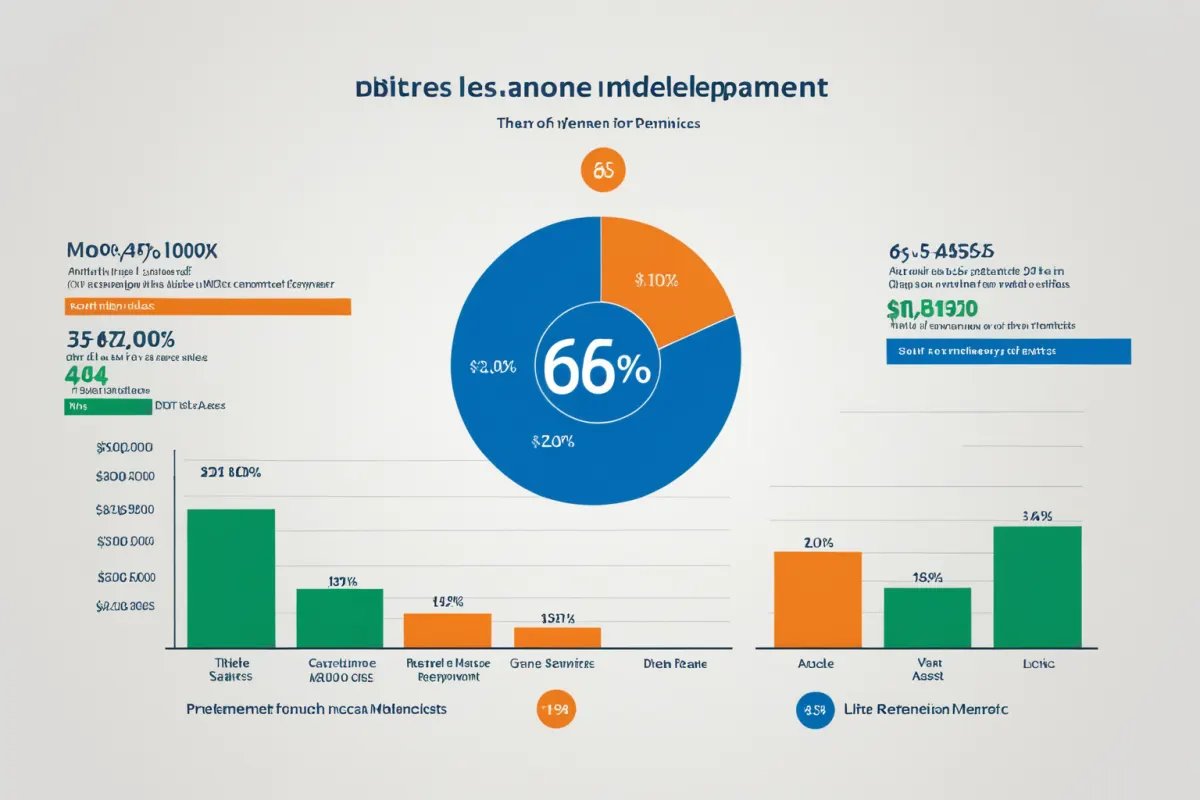
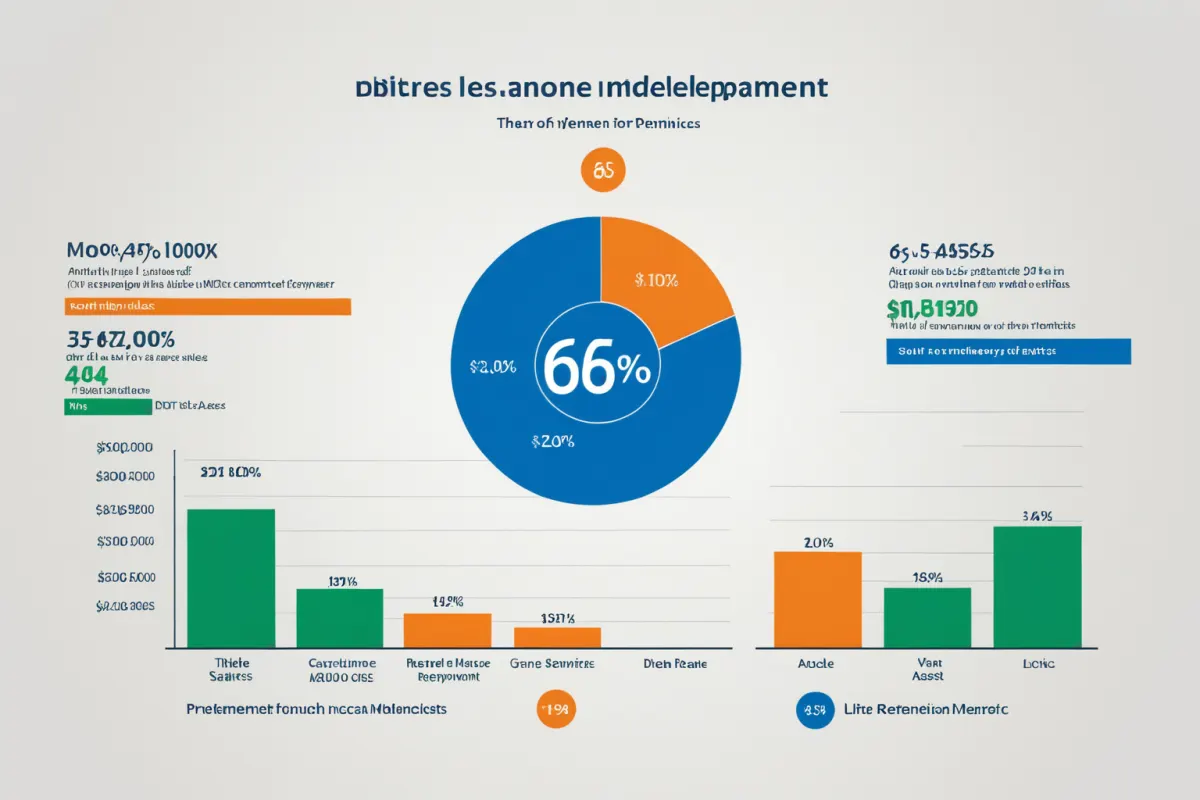
According to NH Investment & Securities' 'THE100 Report,' true middle-class households earn at least ₩6.31 million monthly and have net assets exceeding ₩400 million. These households must balance consumption, savings, asset management, debt repayment, and retirement planning.
Only 25% of middle-class households qualify as 'true' middle class—those with net assets over ₩400 million but who also manage their finances holistically. While 70% own homes, many face inadequate retirement planning, revealing underlying economic challenges.
Verifying Middle Class Authenticity: Income and Savings Ratio
True middle-class households earn ₩6.31 million monthly but spend only ₩3.19 million, saving at least 10% of their income. This reflects comprehensive financial management beyond mere income levels.
The report notes inadequate retirement planning among middle-class households and offers age-specific strategies: '543' (50% stocks, 40% real estate, 30% cash) for ages 20-30, and '234' (20% stocks, 30% real estate, 40% cash) for ages 40-50.
Realities of Middle-Class Economics: Homeownership and Debt Trading
Seven out of ten middle-class households own homes but often resort to 'debt trading' (borrowing to invest) due to housing cost pressures. An annual salary of ₩78 million is cited as the dividing line between middle and high-income brackets, where income growth becomes difficult, leading to a sense of 'relative poverty.'
'Relative poverty' influences political attitudes as economic insecurity grows, prompting shifts in how middle-class households view social issues.
Comprehensive Definition of Middle Class and Current Economic Reality
NH Investment & Securities does not define the middle class solely by income. True middle-class status requires a monthly income over ₩6.31 million, net assets above ₩400 million, and holistic management of consumption, savings, asset management, debt repayment, and retirement planning. The report aims to accurately assess this segment's economic reality.
With 70% homeownership, middle-class households face high housing costs leading to 'debt trading.' The ₩78 million annual salary threshold highlights the growing number of middle-class individuals experiencing 'relative poverty' due to stagnant income growth. This trend impacts their political attitudes as well.
Retirement Planning and Asset Management Strategies
The report identifies inadequate retirement planning among middle-class households, recommending tailored strategies: The '543' approach (50% stocks, 40% real estate, 30% cash) for ages 20-30 focuses on growth potential and risk management. For those aged 40-50, the '234' strategy (20% stocks, 30% real estate, 40% cash) emphasizes stability and retirement readiness.
These strategies aim to address economic insecurity and support long-term financial planning. Younger middle-class members need growth-focused approaches with risk management, while older groups prioritize stable asset allocation for retirement.
Political Shifts Among Middle Class: The Impact of Relative Poverty
'Relative poverty' describes the psychological state where middle-class households feel financially inadequate compared to other groups due to stagnant income growth at around ₩78 million annually. This growing sense of economic insecurity influences political attitudes, prompting increased demands for policies protecting their interests.
The report notes that middle-class households are becoming more vocal in policy discussions as they seek to safeguard their financial well-being. These shifts may lead to a gradual tilt toward either progressive or conservative political stances.
Frequently Asked Questions
Is the middle class defined solely by income?
No. Middle-class status requires a monthly income over ₩6.31 million, net assets above ₩400 million, and holistic management of consumption, savings, asset management, debt repayment, and retirement planning.
How is middle-class retirement planning progressing?
The report states that retirement planning among middle-class households is inadequate. Age-specific strategies are recommended: '543' for ages 20-30 and '234' for ages 40-50.
Is ₩78 million the dividing line between middle and high-income brackets?
Yes, an annual salary of ₩78 million is cited as the threshold. At this level, income growth becomes difficult, leading to increased 'relative poverty' among middle-class households.

Discover more articles on similar topics in one place.
View Related ArticlesFAQ
Is the middle class defined solely by income?
No. Middle-class status requires a monthly income over ₩6.31 million, net assets above ₩400 million, and holistic management of consumption, savings, asset management, debt repayment, and retirement planning.
How is middle-class retirement planning progressing?
The report states that retirement planning among middle-class households is inadequate. Age-specific strategies are recommended: '543' for ages 20-30 and '234' for ages 40-50.
Is ₩78 million the dividing line between middle and high-income brackets?
Yes, an annual salary of ₩78 million is cited as the threshold. At this level, income growth becomes difficult, leading to increased 'relative poverty' among middle-class households.
Korean Source
This article is an English localization of a Korean-language report from BlogScore. Original: 중산층 경제 상황 분석: NH투자증권 보고서 핵심 내용 정리