
Analyzing Director Moreno's Narrative Structure: The Core Techniques of Storytelling


Analyzing Director Moreno's Narrative Structure: The Core Techniques of Storytelling
Narrative structure is a key element determining the flow of a film, and director Moreno's works are renowned for their use of non-linear timelines and multiple perspectives. In his films, audiences explore the inner worlds of several characters simultaneously rather than focusing on a single protagonist.
Director Moreno prefers non-linear narratives where the beginning and end of events blend together, moving beyond traditional three-act structures. This approach gives viewers interpretive freedom, encouraging them to reinterpret the film's meaning multiple times. In particular, his signature works often interweave past and present, using characters' past experiences to help understand current situations.
The Three Core Narrative Techniques
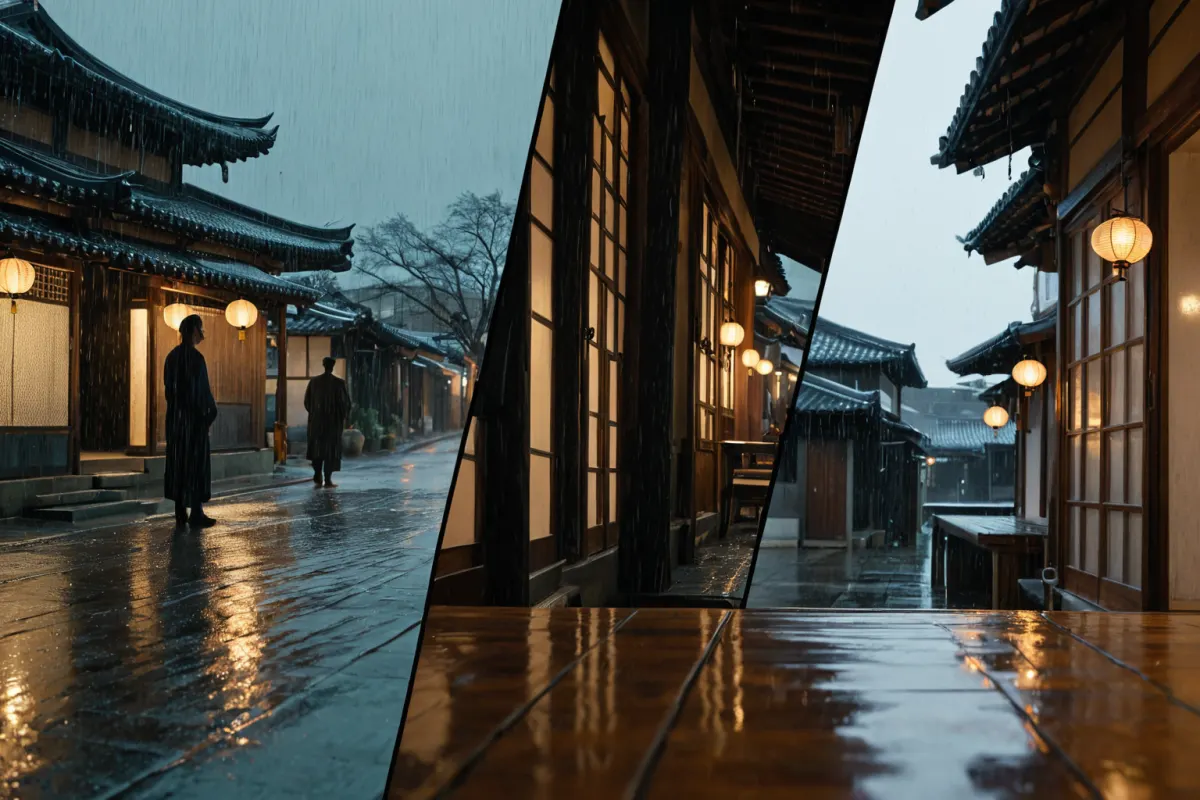
Moreno's narrative techniques can be summarized into three main approaches. First, he uses non-linear time structures to pose questions to viewers. Second, he employs multiple perspectives to deeply explore characters' inner lives. Third, he combines symbolic imagery with music to create emotional resonance.
The non-linear timeline makes it difficult for audiences to predict the film's overall flow. For example, a scene might connect past events to the present situation, gradually revealing their meaning. This strategy encourages viewers to interpret the story themselves.
Utilizing Multiple Perspectives
Director Moreno conveys stories by shifting between characters' viewpoints. An event shown from the protagonist's perspective in one scene may be reinterpreted through another character's viewpoint in the next scene. This allows for multiple interpretations and adds depth to the film.
Especially, his works often emphasize female perspectives, moving beyond male-centered storytelling to offer fresh viewpoints that resonate with modern sensibilities and evoke audience empathy.
Combining Symbolic Imagery and Music
Moreno uses symbolic visual elements to convey emotions. For instance, scenes featuring water often suggest anxiety or change. These symbolic images guide unconscious interpretation and strengthen the film's message.
Music is also closely tied to narrative. Specific musical cues frequently signal story transitions or shifts in emotion, creating emotional resonance and enriching the storytelling experience.
A Practical Example of Narrative Structure Analysis
In his signature work 'Pieces of Time,' director Moreno connects past and present through non-linear storytelling. The film opens with the protagonist recalling childhood memories that intertwine with current circumstances to reveal the truth behind events.
This film poses questions to viewers using temporal non-linearity: 'Does the past determine the present?' Encouraging audiences to find their own answers, this approach demonstrates how innovative Moreno's narrative techniques are.
The Importance of Narrative Structure Analysis
When watching films, audiences don't just follow the story. Analyzing narrative structure allows for a deeper understanding of the film's intent and message. This is particularly important in Moreno's works.
Narrative structure analysis is also an important research subject from academic perspectives. Filmmakers reference these techniques to effectively convey stories, making Moreno's narrative methods influential in contemporary filmmaking.
Points to Consider When Analyzing Narrative Structure
When analyzing narrative structures, audiences should avoid over-interpretation. Moreno intentionally leaves ambiguity, encouraging viewers to interpret the film themselves.
Additionally, narrative structure analysis isn't just about following the story's flow—it must consider emotional elements and visual expressions as well. This helps accurately grasp the film's overall message.
Frequently Asked Questions
How is non-linear storytelling used in Moreno's films?
What effect does using multiple perspectives have on audiences?
What impact do symbolic imagery and music have on narrative structure?
Common Questions
Can analyzing narrative structure lead to a deeper understanding of a film's intention?
How does Moreno's narrative technique differ from other directors?
What basic knowledge is needed to start analyzing narrative structures?
Analyzing narrative structure allows for a more profound understanding of films beyond simply following the plot. This is especially true in Moreno's work.
Moreno's narrative techniques emphasize non-linear storytelling and multiple perspectives, differentiating them from other directors. He conveys stories by encouraging audiences to pursue their own interpretations.
To begin analyzing narrative structure, it's helpful to understand basic film theory and narrative concepts. This allows for identifying the core techniques of storytelling.
Common Questions
Moreno's analysis of narrative structure presents a new way to experience films. Non-linear narratives, multiple perspectives, and the combination of symbolic imagery with music have become core techniques in storytelling.
Audiences can deepen their understanding of film through these narrative techniques while also creating their own interpretations. This approach has significant influence on contemporary filmmaking.
You can find similar articles all in one place.
View Related ArticlesFAQ
How is non-linear storytelling used in Moreno's films?
Moreno uses non-linear timelines where past and present events blend together, encouraging viewers to reinterpret the film's meaning multiple times.
What effect does using multiple perspectives have on audiences?
Shifting between characters' viewpoints allows for multiple interpretations and adds depth to the film, especially through emphasized female perspectives that resonate with modern sensibilities.
What impact do symbolic imagery and music have on narrative structure?
Symbolic imagery like water conveys emotions such as anxiety or change, while specific musical cues signal story transitions and emotional shifts, creating deeper resonance.
Can analyzing narrative structure lead to a deeper understanding of a film's intention?
Yes, analyzing narrative structure allows audiences to move beyond simply following the plot to understand the film's intent and message more deeply.
How does Moreno's narrative technique differ from other directors?
Moreno emphasizes non-linear storytelling and multiple perspectives, differentiating his work by encouraging audiences to interpret the film themselves rather than providing clear resolutions.
What basic knowledge is needed to start analyzing narrative structures?
Understanding basic film theory and narrative concepts helps identify core storytelling techniques and provides a foundation for deeper analysis.
Korean Source
This article is an English localization of a Korean-language report from BlogScore. Original: 모레노 감독 영화 내러티브 구조 분석: 스토리텔링의 핵심 기술