
Analysis of the Supreme Court's Ruling on the '12·3 Martial Law' Case and Legal Basis
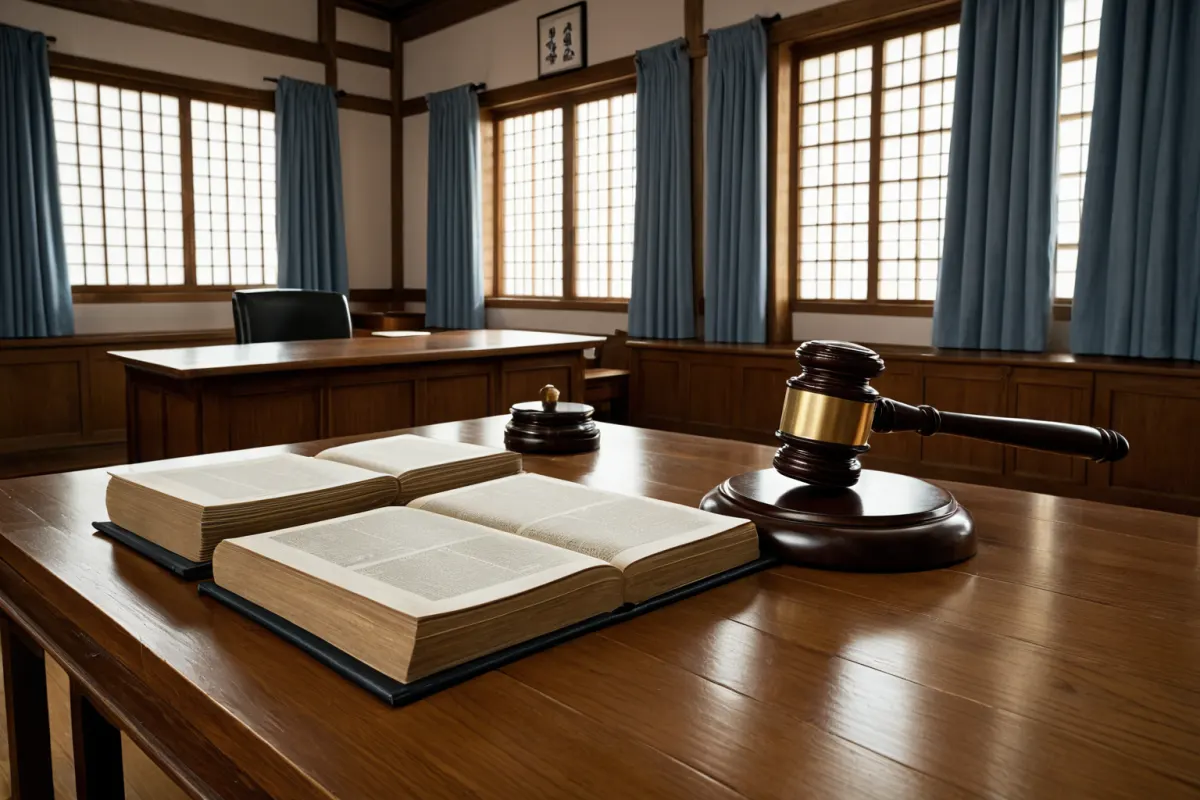
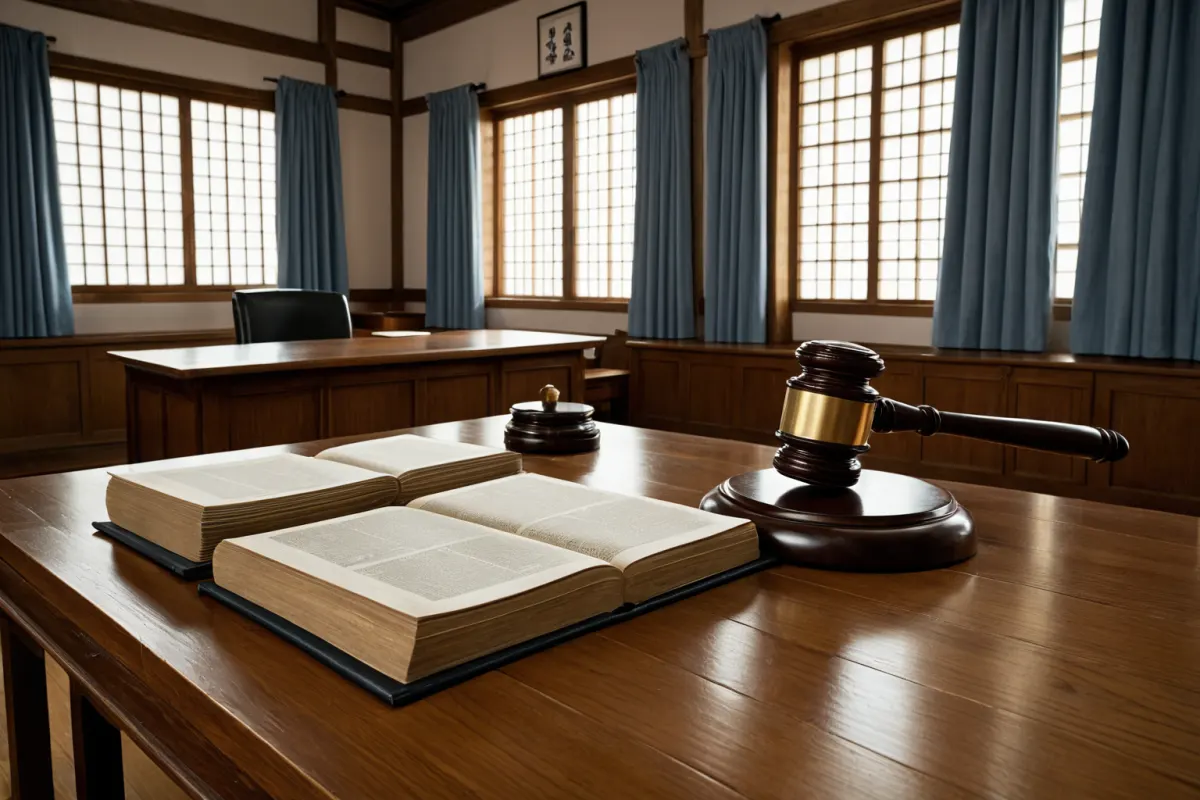
The Supreme Court has referred the treason cases involving Han Deok-su and Lee Sang-min to a full court session for deliberation, currently assessing whether the 'December 3 Martial Law' constitutes treason. This case represents the first major precedent in determining treason, requiring both public attention and historical judicial evaluation. In the second trial, Lee Sang-min was sentenced to nine years in prison, while No Sang-won received two years; Han Deok-su was prosecuted for 23 years, and Lee Sang-min for seven years.
Supreme Court Full Court Session Decision and 'December 3 Martial Law = Treason' Legal Criteria
On August 5, 2026, the Supreme Court referred Han Deok-su and Lee Sang-min's treason appeal cases to a full court session. This procedure was established to determine whether the 'December 3 Martial Law' qualifies as treason, with the Court stating that historical judicial evaluation is necessary through a full bench review. In its press release, the Supreme Court explained that "this case will serve as an important benchmark for clarifying the legal nature of martial law measures."
The referral decision aims to establish legal criteria for determining whether martial law constitutes treason, addressing the lack of clear precedent in previous treason cases. Notably, whether martial law is considered treason will directly influence future similar cases.

Summary of Second Trial Sentences and Prosecution Recommendations
On May 13, 2026, the appellate court sentenced Lee Sang-min to nine years in prison, confirming the first trial's verdict. No Sang-won was also sentenced to two years. The Supreme Court has referred both cases for full court review; Han Deok-su and Lee Sang-min were recommended for sentences of 23 and seven years, respectively.
Lee Sang-min received a nine-year sentence in the appellate court, which was confirmed by the Supreme Court's ruling. Han Deok-su was sentenced to 23 years in the first trial, with a similar sentence expected in the appeal. The prosecution recommendations were reported on February 12, 2026.
Background of the Treason Charges
Lee Sang-min and Han Deok-su were prosecuted for treason related to the 'December 3 Martial Law.' On January 21, 2026, Han Deok-su was sentenced to 23 years in the first trial and appealed. On May 13, 2026, Lee Sang-min's appeal verdict was confirmed with a nine-year sentence.
The Supreme Court's referral for full court review is intended to establish the first legal precedent for treason charges, addressing the lack of clear legal standards previously used to determine treason. The determination of whether martial law constitutes treason will serve as a key indicator in future similar cases.
Historical Significance of Treason Charge Judgment
The Supreme Court's ruling represents the first time someone has been judged as a treason leader since the death sentence for Chun Doo-hwan, over 30 years ago. This case is expected to reestablish legal standards for treason charges, given that no death sentences have been issued for treason in recent decades.
Chun Doo-hwan, former president during the military regime of the 1980s, was sentenced to death for treason but later pardoned and retired. This Supreme Court ruling marks the first judgment of a treason leader approximately 30 years after Chun's sentence, reflecting changes in legal judgments over time.
Response and Safety Information
The Supreme Court is working to enhance public understanding through open discussions regarding this case. Specifically, it aims to clarify the legal nature of the 'December 3 Martial Law,' seeking societal consensus on the criteria for treason charges.
The court is strengthening communication with the public during the trial process by providing information through various channels. For instance, the Supreme Court website publishes related verdicts and press releases to improve accessibility.
Key Information to Verify
Lee Sang-min was confirmed to have received a nine-year sentence on May 13, 2026, following the Supreme Court's ruling. Han Deok-su had his prosecution details revealed on February 12, 2026, and was sentenced to 23 years in the first trial on January 21, 2026.
The referral decision by the Supreme Court for a full court session was announced on August 5, 2026, with the legal assessment of whether 'December 3 Martial Law = Treason' becoming a central issue. It is anticipated that this case will establish new standards for treason charge rulings.
Frequently Asked Questions
Why did the Supreme Court refer Han Deok-su and Lee Sang-min's cases to a full court session?
The Supreme Court is conducting a full bench review to clarify whether the 'December 3 Martial Law' constitutes treason. This effort aims to establish legal criteria for treason charges, with the Court determining that historical judicial evaluation is necessary.
Why was Lee Sang-min sentenced to nine years in prison?
Lee Sang-min received a nine-year sentence on May 13, 2026, during the appellate court phase, which was confirmed by the Supreme Court's ruling. The specific reason reflects the legal judgment regarding the relationship between martial law and treason charges.
Is this the first treason leader ruling since Chun Doo-hwan's death sentence?
Yes, this ruling marks the first time someone has been judged as a treason leader approximately 30 years after Chun Doo-hwan's death sentence. However, it is not directly related to Chun's case but rather serves as a milestone in reestablishing legal standards for treason charges.
Frequently Asked Questions
The Supreme Court has referred the treason cases involving Han Deok-su and Lee Sang-min to a full court session to determine whether the 'December 3 Martial Law' constitutes treason. This case is expected to play a crucial role in establishing legal criteria for treason charges, particularly as it represents the first ruling on the issue since Chun Doo-hwan's death sentence over 30 years ago. In the second trial, Lee Sang-min received nine years, No Sang-won two years; Han Deok-su was prosecuted for 23 years. The Supreme Court's ruling is anticipated to clarify legal standards for treason charges.
You can view similar articles on this topic in one place.
View Related ArticlesFAQ
Why did the Supreme Court refer Han Deok-su and Lee Sang-min's cases to a full court session?
The Supreme Court is conducting a full bench review to clarify whether the 'December 3 Martial Law' constitutes treason. This effort aims to establish legal criteria for treason charges, with the Court determining that historical judicial evaluation is necessary.
Why was Lee Sang-min sentenced to nine years in prison?
Lee Sang-min received a nine-year sentence on May 13, 2026, during the appellate court phase, which was confirmed by the Supreme Court's ruling. The specific reason reflects the legal judgment regarding the relationship between martial law and treason charges.
Is this the first treason leader ruling since Chun Doo-hwan's death sentence?
Yes, this ruling marks the first time someone has been judged as a treason leader approximately 30 years after Chun Doo-hwan's death sentence. However, it is not directly related to Chun's case but rather serves as a milestone in reestablishing legal standards for treason charges.
Korean Source
This article is an English localization of a Korean-language report from BlogScore. Original: 이상민 내란사건, 대법원 판결 내용과 법적 근거 분석