
Analysis of Key Roles and Contributions of Participating Institutions in the National AI Computing Center
National AI Computing Center: Lead Organization and Scale
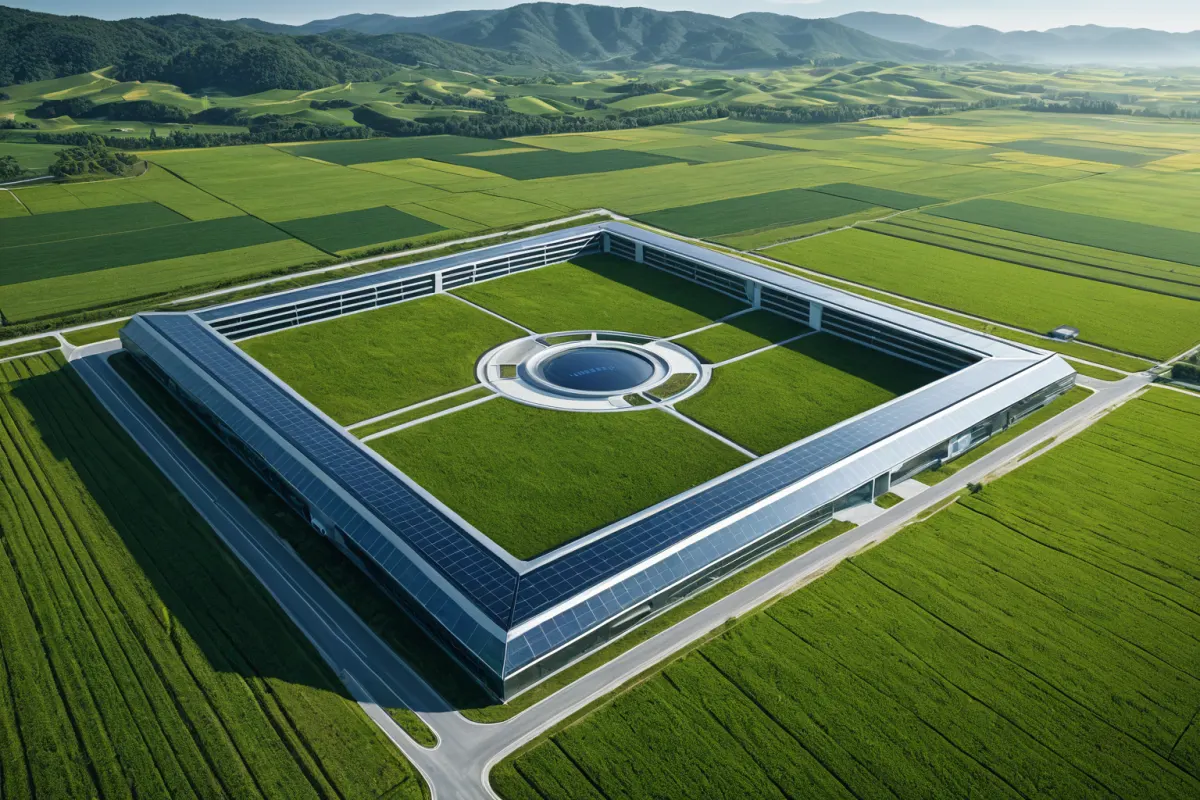
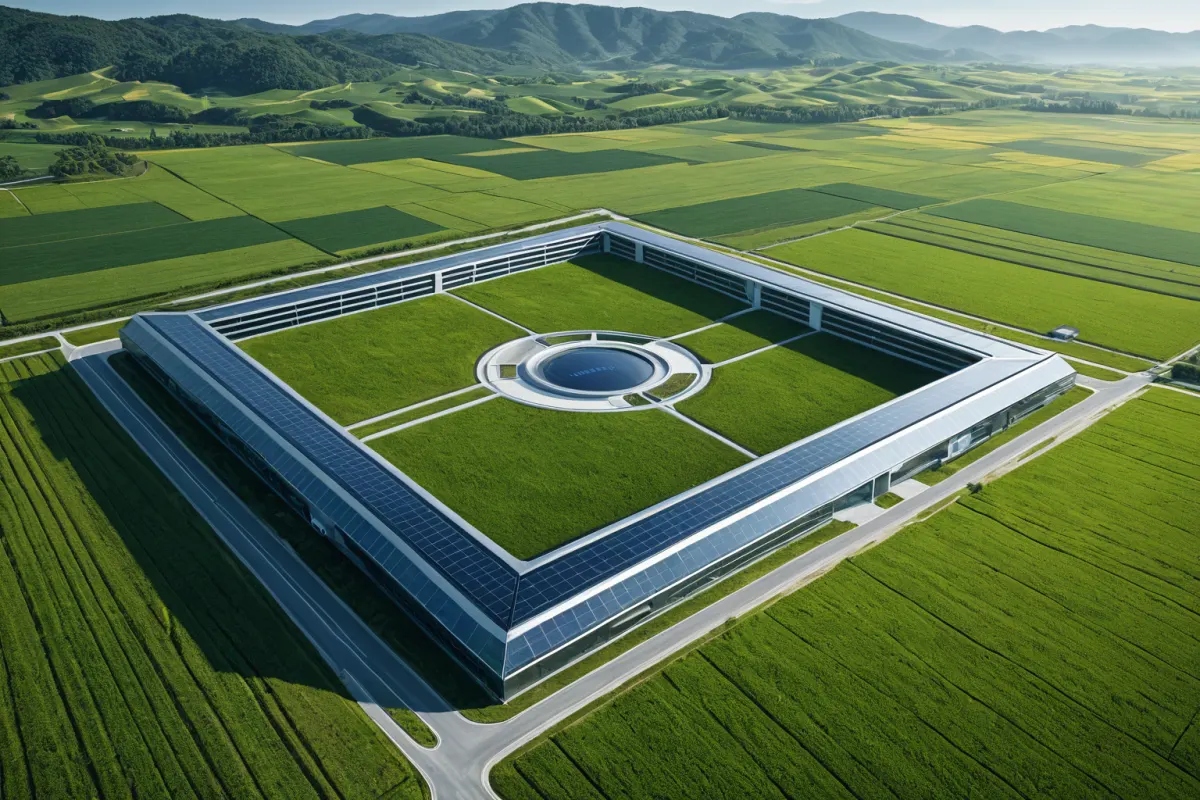
The National AI Computing Center (KACC) was launched with a groundbreaking ceremony on August 3, 2026, in Haenam, led by the Samsung SDS consortium. The center will cost 250 billion won to build, with completion scheduled for 2028. This facility aims to serve as a strategic hub driving South Korea's ambition to become one of the world's three leading AI nations through infrastructure development.
Construction Timeline and Purpose
The groundbreaking ceremony for the National AI Computing Center took place on August 3, 2026, in Haenam, led by the Samsung SDS consortium. The project aims to complete construction by 2028, with the center designed to strengthen South Korea's AI competitiveness and drive industrial development through infrastructure building.
Backed by the Ministry of Science and ICT and the Korea Institute of Science and Technology (KIST), the National AI Computing Center project is a core component of South Korea's 14.6 trillion won national AI infrastructure initiative. Samsung SDS has announced plans to distribute 10,000 GPUs to academia and research institutions starting in February 2027.
GPU Distribution and Technical Considerations
Starting in February 2027, Samsung SDS will distribute 10,000 GPUs to academic and research institutions. While considering the adoption of cutting-edge AI semiconductors, the company has clarified that B200 GPUs have not been confirmed for use.
The National AI Computing Center aims to build public AI infrastructure, with Samsung SDS investing 250 billion won by 2028 to construct the facility in Haenam. The center is expected to serve as South Korea's 'AI heart,' though it has clarified that B200 GPU adoption is not confirmed.
Specifically, Samsung SDS anticipates that its GPU distribution plan will accelerate research and development at academic institutions. Universities and research institutes will gain access to high-performance computing resources for AI model training and validation, potentially driving innovative breakthroughs in the field.
Power Supply Challenges and Risks
The most significant operational risk for the National AI Computing Center is securing sufficient power supply. Building and operating AI infrastructure requires substantial electricity, making this a critical issue from both national competitiveness and security perspectives.
The Samsung SDS consortium plans to invest 250 billion won in constructing the National AI Computing Center, which is viewed as strategic investment to expand the AI data center market and strengthen national competitiveness. This investment is expected to enhance Samsung SDS's AI infrastructure capabilities.
To address power supply concerns, the government and private companies are exploring energy-efficient computing technologies and renewable energy integration. For instance, they are considering developing algorithms to optimize power consumption at the facility or building integrated energy management systems that connect with solar and wind power installations.
Key Roles of Major Participating Institutions
The National AI Computing Center construction project is led by the Samsung SDS consortium under the initiative of the Ministry of Science and ICT and KIST. The center aims to serve as a strategic hub for South Korea's ambition to become one of the world's three leading AI nations, driving industrial development.
The Ministry of Science and ICT plans to boost public sector AI adoption through this center and lead the creation of a government-driven AI innovation ecosystem. KIST intends to strengthen collaboration with research institutions by operating AI technology development programs and talent training initiatives.
For Samsung SDS, building the center will help secure its own AI infrastructure capabilities while enhancing its ability to provide services to industry and academia. This is expected to be an important strategic asset for Samsung SDS as it seeks to compete in the global AI market.
Unconfirmed Details and Ongoing Investigations
The confirmation of B200 GPUs remains unconfirmed, with Samsung SDS stating that while they are considering adopting cutting-edge AI semiconductors, B200 GPU adoption has not been finalized. This uncertainty, along with power supply concerns, is considered a key operational risk for the AI infrastructure.
The National AI Computing Center project aims to break ground in 2026 and complete by 2028, led by the Samsung SDS consortium. The center will serve as a strategic hub driving South Korea's ambition to become one of the world's three leading AI nations through infrastructure development.
Readers should note that detailed information about Samsung SDS's GPU distribution plan can be found in official government announcements. Further details on power supply strategies for the center may be available from energy sector media or government reports.
Frequently Asked Questions
Q: When is the groundbreaking ceremony for the National AI Computing Center?
A: The groundbreaking ceremony was held on August 3, 2026, in Haenam, led by the Samsung SDS consortium.
Q: What are the GPU distribution plans?
A: Samsung SDS plans to distribute 10,000 GPUs to academia and research institutions starting in February 2027. This is a key step for AI infrastructure development, though B200 GPUs have not been confirmed as part of this plan.
Q: What risks could arise from power supply challenges?
A: Without sufficient power to support the large-scale electricity needs of AI infrastructure operations, the center's efficiency and performance may be compromised. This is considered a critical issue for national competitiveness and security.
You can view similar articles in one place.
View Related ArticlesFAQ
When is the groundbreaking ceremony for the National AI Computing Center?
The groundbreaking ceremony was held on August 3, 2026, in Haenam, led by the Samsung SDS consortium.
What are the GPU distribution plans?
Samsung SDS plans to distribute 10,000 GPUs to academia and research institutions starting in February 2027. This is a key step for AI infrastructure development, though B200 GPUs have not been confirmed as part of this plan.
What risks could arise from power supply challenges?
Without sufficient power to support the large-scale electricity needs of AI infrastructure operations, the center's efficiency and performance may be compromised. This is considered a critical issue for national competitiveness and security.
Korean Source
This article is an English localization of a Korean-language report from BlogScore. Original: 국가 AI 컴퓨팅센터 참여 기관의 주요 역할과 기여도 분석