
Analysis of the Hormuz Tanker Attack Incident: Causes and Current Status
Overview of the Strait of Hormuz Tanker Attack Incident
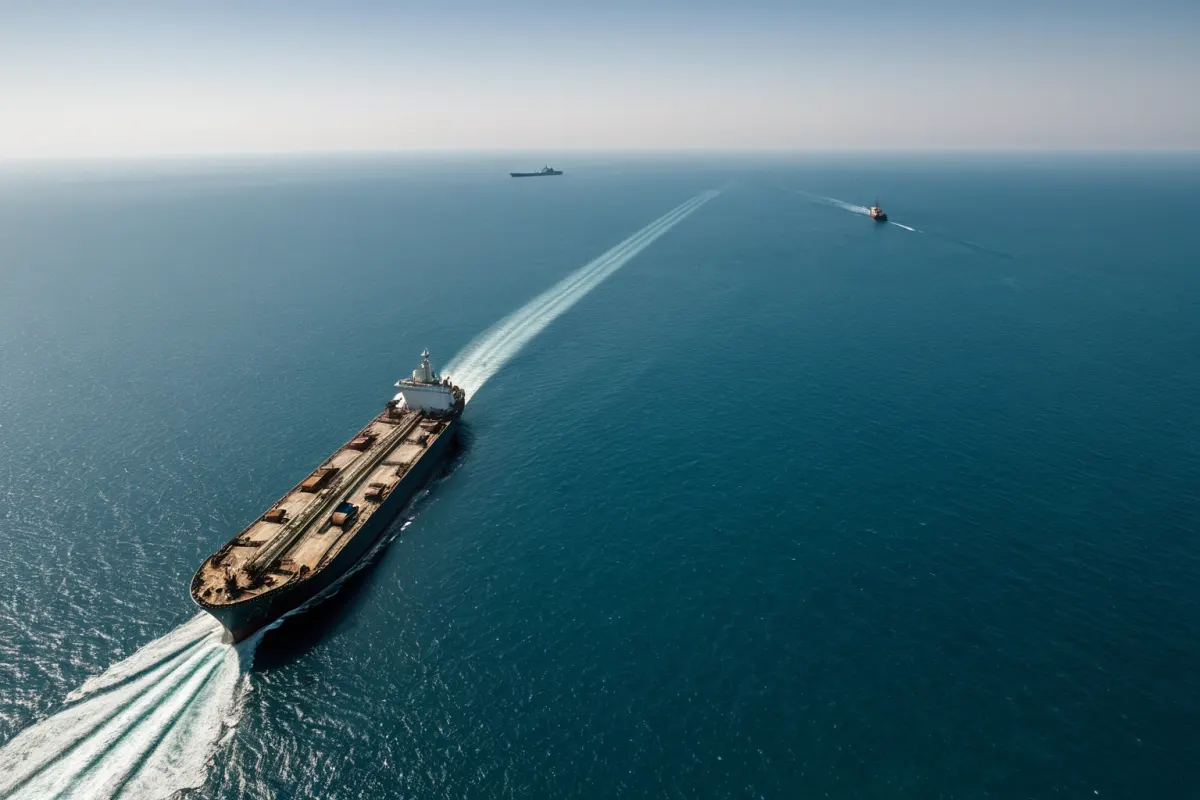
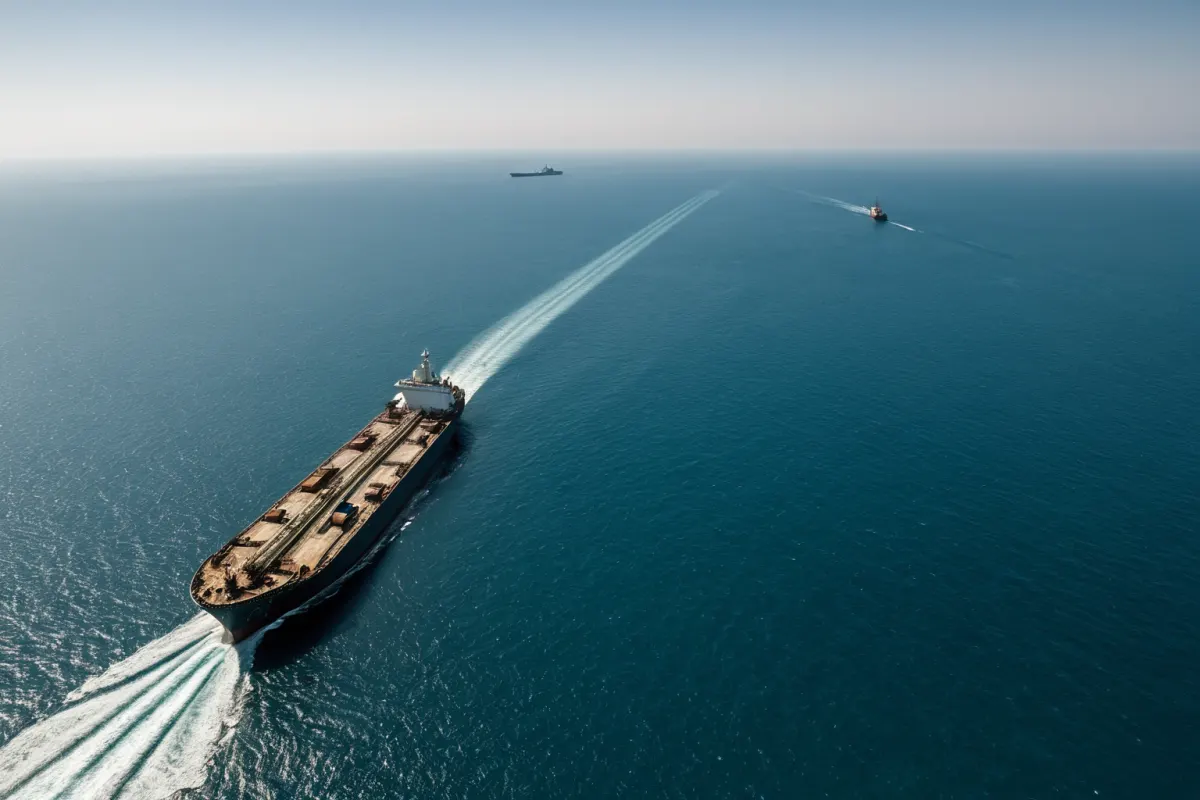
Iran claimed to have attacked two oil tankers under U.S. military escort in the Strait of Hormuz, resulting in a fire and explosion on the South Korean vessel 'Namuhu,' though no casualties were reported. The Ministry of Foreign Affairs stated the cause as an unidentified flying object impact, while Iran suspected it might be part of a 'false flag' operation by certain factions.
Key Facts Verification
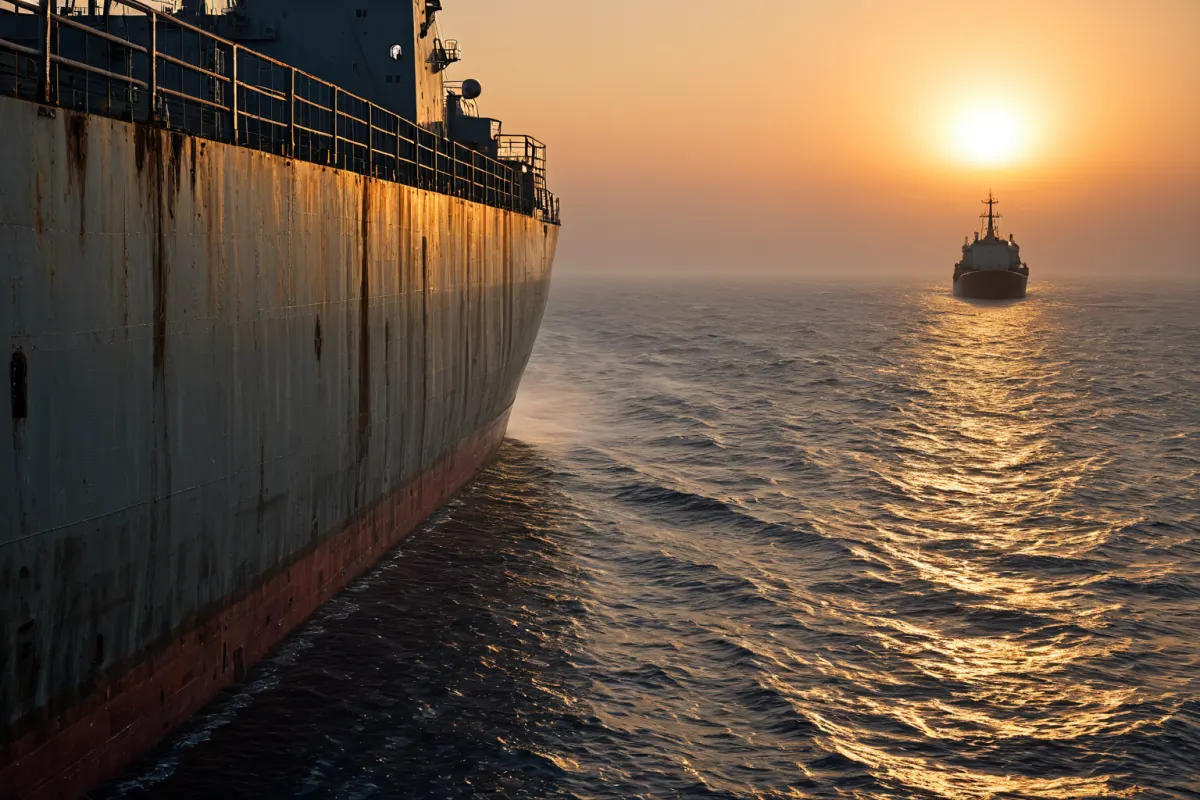
Iran claims to have attacked two oil tankers under U.S. military escort, causing explosions on both vessels. The South Korean vessel 'Namuhu' was struck, leading to a fire and explosion, but the government confirmed no casualties. The Ministry of Foreign Affairs reports the cause as an unidentified flying object impact, while Iran suspects it could be part of a 'false flag' operation by certain factions.
The resumption of the Strait of Hormuz blockade has led to rising international oil prices, with Chinese and Kuwaiti tankers also reportedly struck. Iran appears to be pursuing a strategy of strengthening control over the strait through attacks on civilian vessels.
Incident Timeline and Developments
On May 5, 2026, the South Korean vessel 'Namuhu' was struck in the Strait of Hormuz, causing a fire and explosion. According to the Ministry of Foreign Affairs, this appears to have been caused by an unidentified flying object impact.
On May 10, 2026, the Ministry of Foreign Affairs announced that the cause of the fire on the South Korean vessel in the Strait of Hormuz had been confirmed as an unidentified flying object impact. At the same time, Iran's ambassador was summoned for official measures.
On July 14, 2026, international oil prices rose due to the resumption of the Strait of Hormuz blockade, reflecting heightened concerns about the strait's stability and increased market volatility.
Chinese and Kuwaiti vessels are also reported to have been struck. The Chinese tanker is believed to be the first civilian vessel attacked, while the Kuwaiti tanker was reportedly struck by Iran.
This incident occurred amid rising tensions in the Strait of Hormuz since March 2026. On March 2, Iran reported attacks on civilian vessels in the strait; on March 12, a Chinese vessel passed through the strait for the first time after Iran's blockade began. The 'Namuhu' incident on May 5 drew significant attention against this backdrop.
The first attack on a Chinese tanker indicates Iran is expanding its scope of attacks on civilian vessels. On May 8, reports indicated that a Chinese tanker was attacked near the Strait of Hormuz, reflecting Iran's increasingly aggressive strategy to strengthen control over the strait.
The case of the Kuwaiti tanker being struck also warrants attention. On March 31, it was reported that a Kuwaiti tanker had been struck by Iran, suggesting Iran's intent to target civilian vessels to reinforce its control over the strait.
Cause Investigation and Analysis
According to Iran, two oil tankers under U.S. military escort were attacked. However, the government reports the cause as an unidentified flying object impact without speculating on the attacker's identity, with ongoing investigations.
Iran suspected it might be part of a 'false flag' operation by certain factions, which would involve other groups provoking Iran to respond in order to frame it for hostile actions.
The rise in international oil prices following the resumption of the Strait of Hormuz blockade is noteworthy. It appears Iran is seeking to strengthen its control over the strait through attacks on civilian vessels.
The first attack on a Chinese tanker suggests Iran's expanding scope of attacks, heightening concerns about stability in the Strait of Hormuz. Notably, after March 12, when a Chinese vessel passed through the strait for the first time post-blockade, there was an increase in Iranian attacks.
Further investigation into Iran's 'false flag' claim is necessary to build international trust and clarify the incident's truth.
Response and Safety Information
The South Korean government responded swiftly to minimize casualties. The Ministry of Foreign Affairs summoned Iran's ambassador for official measures and continues ongoing investigations.
Iran has announced a policy of 'excluding all non-enemy vessels from passing through the Hormuz Strait,' which appears to be part of its strategy to strengthen control over the strait by targeting civilian vessels.
From a maritime security perspective, South Korea is considering restarting the 'Haebang Project' due to increased anxiety among 26 vessels. The Haebang Project aims to enhance safety inspections and protection systems for civilian vessels, with its necessity becoming more apparent following this incident.
Internationally, concerns about the stability of the Strait of Hormuz have spread. The U.S. and European countries are closely monitoring Iran's actions and discussing ways to strengthen international cooperation on maritime security. This reflects consideration of how tensions over strait control affect global security.
Information to Verify
The exact identity of the attacker has not yet been confirmed. Evidence supporting Iran's 'false flag' claim is also lacking. The specific circumstances surrounding the attack on the Chinese tanker have not been fully clarified either.
The rise in international oil prices due to the resumption of the Strait of Hormuz blockade may temporarily disrupt stability, but long-term perspectives suggest a need for improved maritime security policies. Further analysis of Iran's strategy targeting civilian vessels is required to explore ways to restore stability to the strait.
Readers are advised to monitor updates from official government and international organizations to verify the facts:
- Additional investigation results from the Ministry of Foreign Affairs
- International verification process regarding Iran's 'false flag' claim
- Specific circumstances and damage scale of the Chinese tanker attack incident
Frequently Asked Questions
Were there any casualties in the Strait of Hormuz tanker attack?
The South Korean vessel 'Namuhu' was struck, causing a fire and explosion, but the government confirmed no casualties.
How was Iran's claim about attacking tankers verified?
Iran claims to have attacked two oil tankers under U.S. military escort, which caused explosions on both vessels. However, the government reports the cause as an unidentified flying object impact.
Why did international oil prices rise following the resumption of the Strait of Hormuz blockade?
The resumption of the Strait of Hormuz blockade led to increased market volatility and heightened concerns about stability in the strait.
You can view similar articles on this topic all at once.
View Related ArticlesFAQ
Were there any casualties in the Strait of Hormuz tanker attack?
The South Korean vessel 'Namuhu' was struck, causing a fire and explosion, but the government confirmed no casualties.
How was Iran's claim about attacking tankers verified?
Iran claims to have attacked two oil tankers under U.S. military escort, which caused explosions on both vessels. However, the government reports the cause as an unidentified flying object impact.
Why did international oil prices rise following the resumption of the Strait of Hormuz blockade?
The resumption of the Strait of Hormuz blockade led to increased market volatility and heightened concerns about stability in the strait.
Korean Source
This article is an English localization of a Korean-language report from BlogScore. Original: 호르무즈 유조선 타격 사건, 원인과 현황 분석