
Analysis of Maritime Transport Cost Trends Following the Resumption of Strait of Hormuz Passage
Strait of Hormuz Passage Issues and Sharp Rise in Maritime Transport Costs
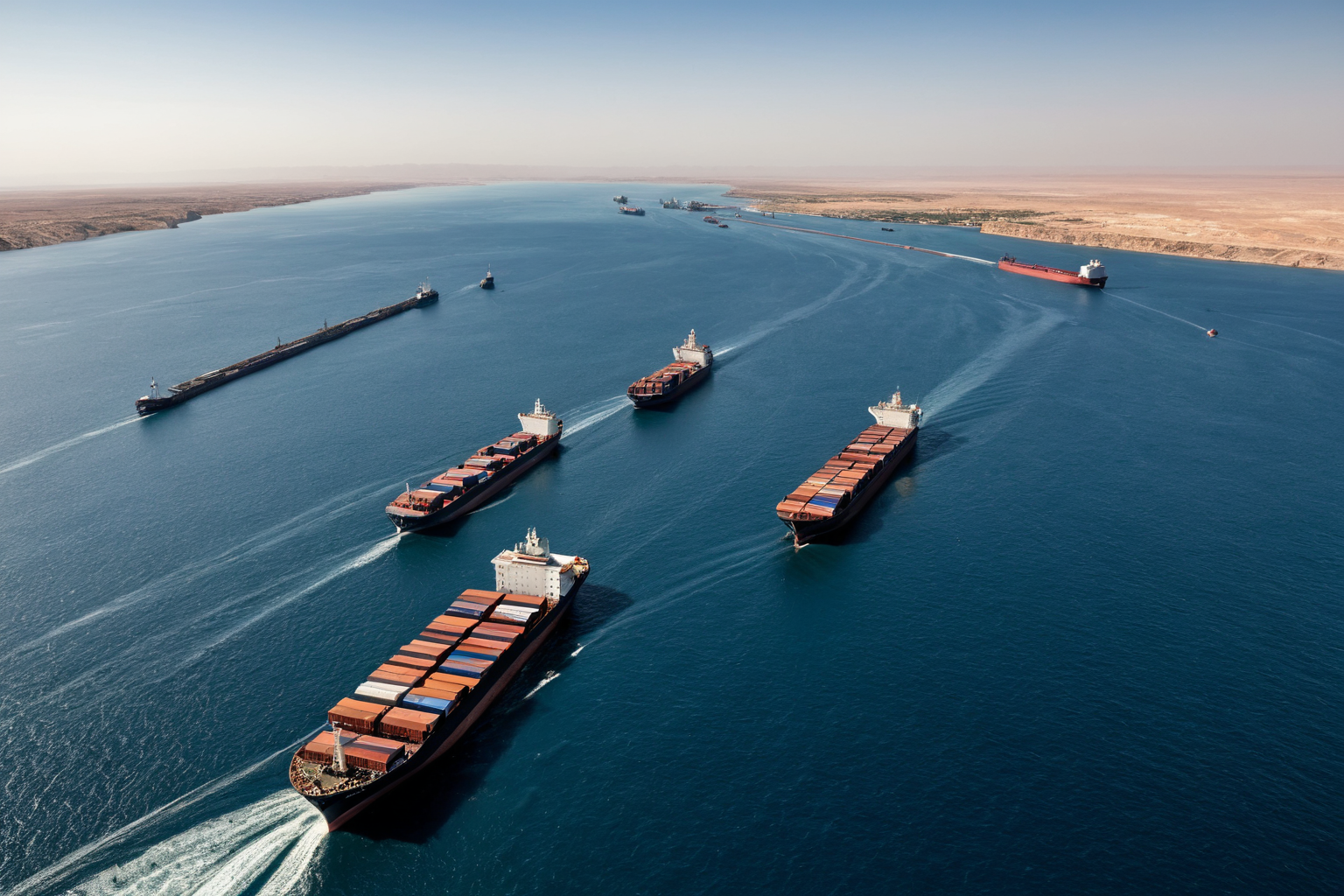
The Strait of Hormuz has seen a sharp rise in maritime transport costs due to restrictions on passage, with tensions between Iran and the US making ship navigation increasingly difficult. Recent reports indicate that approximately 1,200 cargo ships are stalled, resulting in losses amounting to $12.5 billion in the value of loaded cargo.
Economic Impact of Strait of Hormuz Closure
The Strait of Hormuz is a critical shipping route for energy transport from the Middle East to Europe. If the strait is closed or restricted, it causes significant disruptions to international maritime transportation. As of June 29, 2026, about 1,200 cargo ships are stalled in the strait, leading to $12.5 billion in losses from loaded cargo. This situation has a major impact on global energy markets.
US-Iran Agreement and Proposed Toll Fees
A temporary resumption of passage through the Strait of Hormuz followed a US-Iran agreement, but this is merely a 60-day trial period. The Trump administration is seriously considering imposing a 20% fee on goods transported through the strait, which could further increase maritime transport costs. Additionally, Iran is considering toll fees for passage, causing disruptions in oil tanker routes and energy transportation.
Sharp Increase in Freight Rates Due to Middle East Conflict
Ongoing conflicts in the Middle East have caused VLCC (Very Large Crude Carrier) freight rates to triple. As of March 4, 2026, VLCC rates surged due to rerouting of oil tankers following the closure of the Strait of Hormuz. Energy industry executives also predict that oil prices could reach $200 by November.
Fluctuations in Maritime Transport Costs and Passage Restrictions
Although the Strait of Hormuz has reopened, passage is limited to half capacity, and despite a drop in oil prices, oil tanker freight rates have spiked. According to a July 18, 2026 report, while parts of the strait are open, traffic is restricted to half capacity, causing a sharp rise in oil tanker rates. Meanwhile, four Korean vessels passing through the Strait are expected to alleviate disruptions in maritime, refining, and petrochemical supply chains.
Expectations and Concerns Regarding Resumption of Hormuz Passage
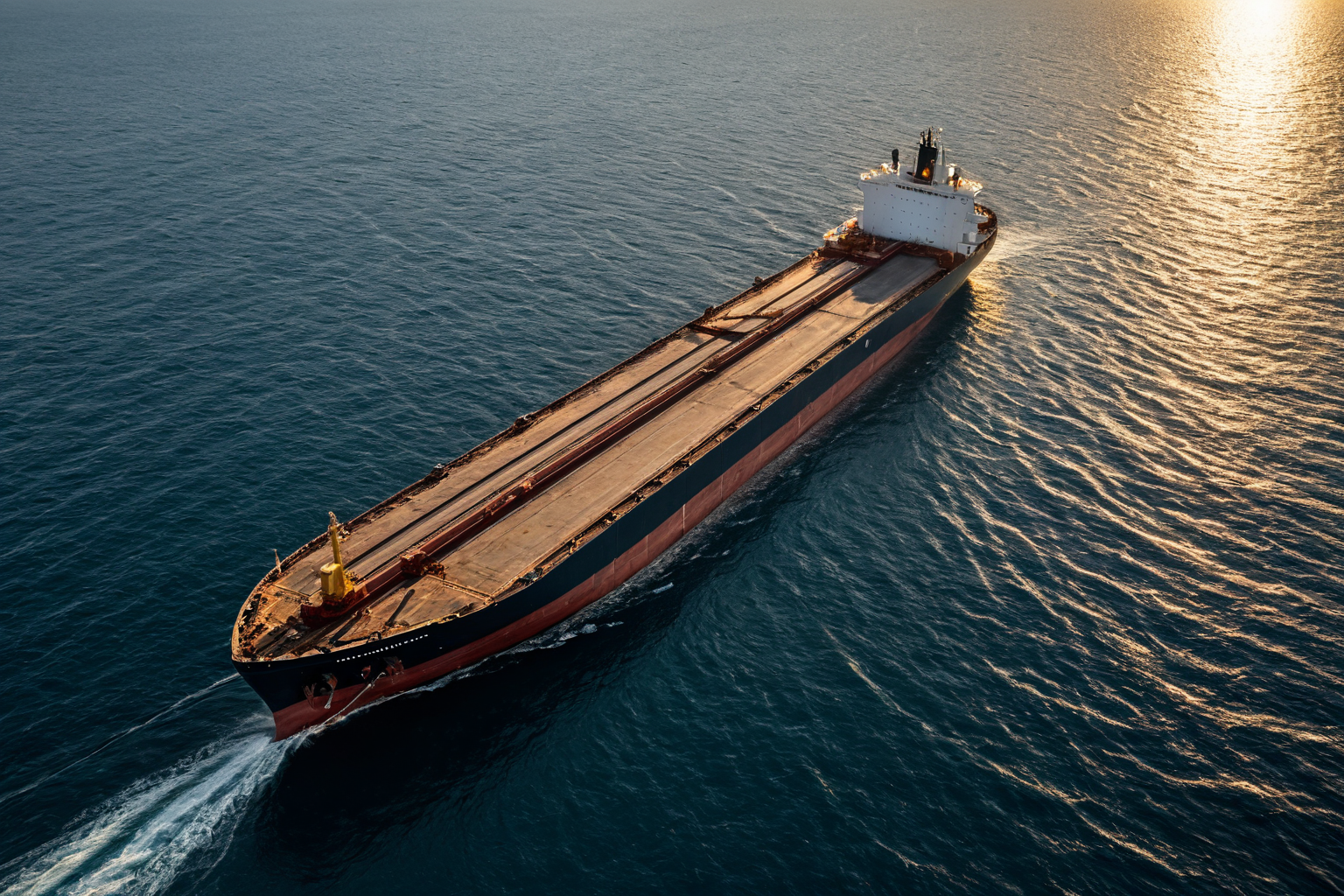
The US-Iran agreement has led to a temporary improvement in passage through the Strait of Hormuz, but this is only a 60-day trial period. While the agreement has slowed the rise in oil prices, it may take two to three weeks for domestic fuel prices to decrease. The reduction in maritime transport costs remains uncertain. Iran is considering toll fees, and the US-Iran agreement appears to be just the beginning of further negotiations.
Analysis of Sharp Increase in Maritime Transport Costs
The main causes of the sharp increase in maritime transport costs are ship congestion due to the closure of the Strait of Hormuz and changes in oil tanker routes. On April 9, 2026, the strait was closed again, causing a rapid change in oil tanker routes and expanding energy transportation instability. This led to a tripling of VLCC rates due to Middle East conflicts, with energy industry executives predicting that oil prices could reach $200.
Uncertainty in US-Iran Negotiations
Negotiations between the US and Iran have faced setbacks, expanding Middle East risks. Iran is considering toll fees for passage through the Strait of Hormuz, while the Trump administration is seriously considering a 20% fee on goods transported through the strait. This could further increase maritime transport costs, with Iran's toll policy expected to be decided during negotiations after the 60-day trial period.
Responses from Maritime and Refining Industries
The domestic maritime and refining industries are under 'extreme tension' due to restrictions on passage through the Strait of Hormuz. As tensions between Iran and the US escalate, ship navigation restrictions continue, increasing industry burdens due to rising maritime transport costs. However, four Korean vessels passing through the Strait are expected to alleviate disruptions in maritime, refining, and petrochemical supply chains, serving as a temporary solution.
Key Information to Monitor
The passage situation at the Strait of Hormuz remains uncertain, with key factors including when Iran decides on toll fees and whether further negotiations will occur after the 60-day trial period of the US-Iran agreement. Additionally, it is important to monitor whether the US government will impose a 20% fee on goods transported through the strait.
Frequently Asked Questions
How much have maritime transport costs increased due to the closure of the Strait of Hormuz?
The closure led to a tripling of VLCC freight rates, with disruptions in energy transportation due to rerouting of oil tankers.
What happens after the US-Iran agreement ends?
The US-Iran agreement is not final but a 60-day trial period. Toll fees and further negotiations may be necessary.
How will the passage of four Korean vessels affect maritime transport costs?
The passage of four Korean vessels through the Strait is expected to alleviate disruptions in maritime, refining, and petrochemical supply chains, serving as a temporary solution.
Frequently Asked Questions
The issue of passage restrictions at the Strait of Hormuz has significantly increased maritime transport costs, with future outlooks depending on the outcome of negotiations between Iran and the US. The 60-day trial period for the US-Iran agreement is crucial in determining toll fee policies and further negotiations, while the reduction in maritime transport costs remains uncertain. The timing of Iran's decision on toll fees and outcomes after the 60-day trial period are key factors to watch.
You can find similar articles all in one place.
View Related ArticlesFAQ
How much have maritime transport costs increased due to the closure of the Strait of Hormuz?
The closure led to a tripling of VLCC freight rates, with disruptions in energy transportation due to rerouting of oil tankers.
What happens after the US-Iran agreement ends?
The US-Iran agreement is not final but a 60-day trial period. Toll fees and further negotiations may be necessary.
How will the passage of four Korean vessels affect maritime transport costs?
The passage of four Korean vessels through the Strait is expected to alleviate disruptions in maritime, refining, and petrochemical supply chains, serving as a temporary solution.
Korean Source
This article is an English localization of a Korean-language report from BlogScore. Original: 호르무즈 통항 회복에 따른 해양 운송 비용 추이 분석