
Analysis of Government Council's Application Cases and Key Precedents in the Revised Criminal Procedure Act


Government Council Approves Revised Criminal Procedure Act
The State Council recently passed a revision to the Criminal Procedure Act, banning prosecutors from direct investigations and marking a historic shift as prosecutorial investigative powers are completely abolished after 72 years. The amendment has sparked debate over expanded judicial discretion through an 'other' clause, with the ruling party framing it as strengthening citizens' rights and the opposition criticizing it as abandoning public safety.
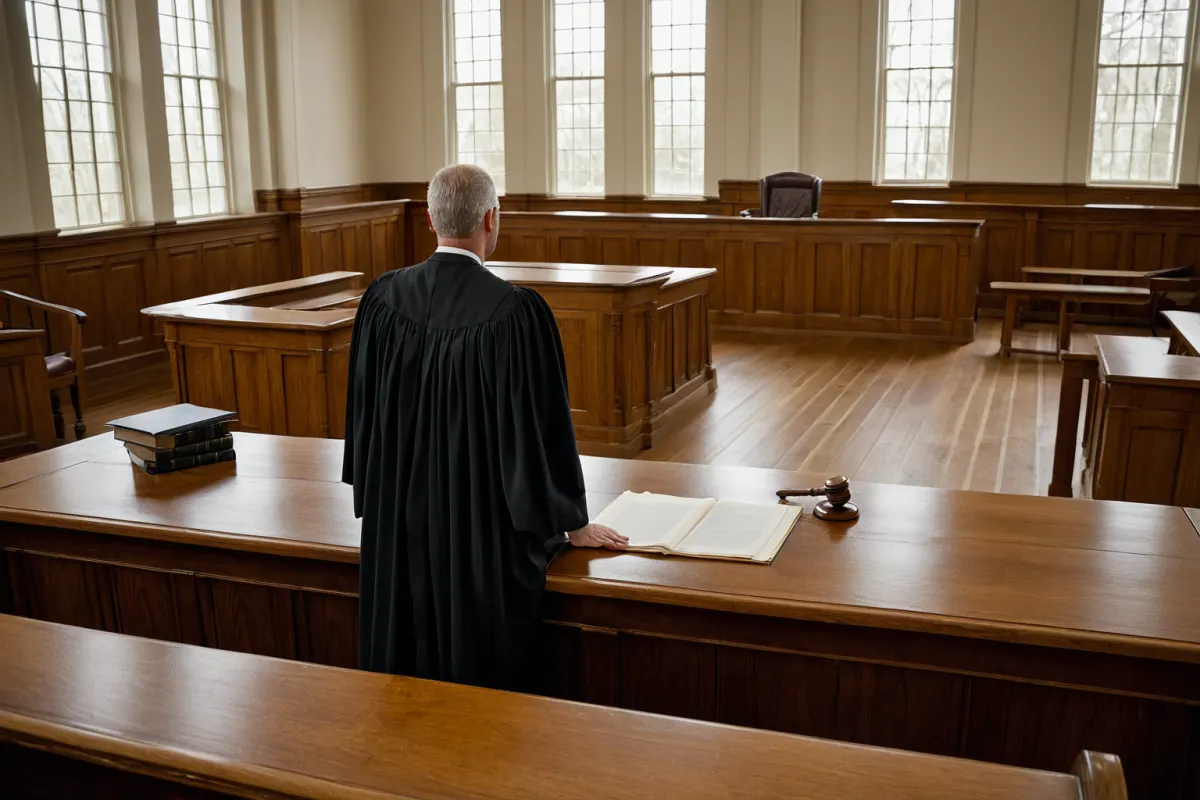
Main Provisions of the Revised Criminal Procedure Act
The approved amendment abolishes prosecutors' supplementary investigation powers, restructuring the system to separate investigative and prosecutorial functions. It will take effect on October 2, banning direct investigations by prosecutors entirely.
Historical Significance of Abolishing Prosecutorial Powers
This revision represents a major transformation in South Korea's criminal justice system after 78 years, completely stripping prosecutors of powers they had maintained for decades. The amendment expanded judicial discretion through an 'other' clause, leading to debates about codifying precedents.
Political Division and Debate
The ruling party views the amendment as a first step in strengthening citizens' rights, while the opposition (People Power Party) has criticized it as an attempt to 'erase Lee Jae-myung's trial.' Representative Jang Dong-hyeok warned that if the government does not exercise veto power, citizens may reject the Lee Jae-myung administration. Some legal experts and lawmakers have expressed concerns about the legal and social impacts of abolishing prosecutorial powers. Reports mention a victim of the 'Busan kickback' case appealing to President Lee Jae-myung for veto action, though specific details remain unconfirmed.
Additionally, former lawyers in parliament have voiced worries over the amendment's implications, while some media reports suggest concerns about how this change will affect legal procedures and public safety.
Expanded Judicial Discretion and Debate on Codifying Precedents
The 'other' clause in the amendment allows judges greater discretion in interpreting grounds for dismissing cases. This has sparked debate over whether precedents should be codified, with some experts warning of increased legal uncertainty.
Prosecutors and police are also preparing for the changes. Prosecutors must reorganize their investigative capabilities due to the abolition of supplementary investigation powers, while police plan to expand their investigative authority under new legal frameworks.
Public Reaction and Social Impact
The public is divided in its response. Some citizens support abolishing prosecutorial powers as a way to strengthen judicial independence, while others express concerns about public safety and oppose the amendment.
This debate has prompted broader reflection on legal and ethical standards across society. The fate of cases like the 'Busan kickback' incident—where victim and perpetrator legal statuses may change—is being closely watched.
Analysis of the Revision's Causes
The revision reflects President Lee Jae-myung's commitment to legal reform, with the president emphasizing that it does not violate legislative authority. The goal is to enhance judicial impartiality by abolishing prosecutorial investigative powers. It also appears to be part of a broader effort to address years of political interference by prosecutors, which has deepened societal divisions.
As a major overhaul after 78 years, the revision responds to growing societal demands for change in how justice is administered.
Mitigation and Safety Measures
To prevent legal confusion from the abolition of prosecutorial powers, the government has issued guidelines interpreting relevant laws. Additional budget allocations for strengthening police investigative capabilities are also under review.
Courts and prosecutors are working to establish specific criteria for dismissing cases before the amendment's implementation, aiming to reduce concerns over expanded judicial discretion and precedent codification debates.
Information to Verify
The following information remains unconfirmed: First, there is no clear evidence of President Lee Jae-myung exercising veto power regarding the revision. Second, specific details about the precedent codification debate and related case examples are still lacking.
This information is expected to be clarified through future court rulings or official announcements. Citizens should monitor legal developments following the amendment's implementation.
Frequently Asked Questions
Has prosecutorial investigative power been completely abolished under the revised Criminal Procedure Act?
The approved amendment abolishes prosecutors' supplementary investigation powers, effective from October 2. Direct investigations by prosecutors are therefore banned entirely.
Did President Lee Jae-myung exercise veto power?
As of now, there is no confirmed information that President Lee Jae-myung exercised veto power on the amendment. Some reports mention a victim of the 'Busan kickback' case appealing for veto action, but specific details remain unverified.
What is the debate about codifying precedents?
The 'other' clause in the amendment has expanded judicial discretion, leading to debates over whether precedents should be codified. Some experts warn this could increase legal uncertainty.
Frequently Asked Questions
The State Council's approval of the revised Criminal Procedure Act marks a historic shift after 72 years by completely abolishing prosecutorial investigative powers, sparking significant debate between political parties and public opinion. While it aims to strengthen judicial impartiality, the amendment has intensified political disputes and requires careful monitoring as legal procedures adapt to this major change.
You can view similar articles on this topic in one place.
View Related ArticlesFAQ
Has prosecutorial investigative power been completely abolished under the revised Criminal Procedure Act?
The approved amendment abolishes prosecutors' supplementary investigation powers, effective from October 2. Direct investigations by prosecutors are therefore banned entirely.
Did President Lee Jae-myung exercise veto power?
As of now, there is no confirmed information that President Lee Jae-myung exercised veto power on the amendment. Some reports mention a victim of the 'Busan kickback' case appealing for veto action, but specific details remain unverified.
What is the debate about codifying precedents?
The 'other' clause in the amendment has expanded judicial discretion, leading to debates over whether precedents should be codified. Some experts warn this could increase legal uncertainty.
Korean Source
This article is an English localization of a Korean-language report from BlogScore. Original: 국무회의 형소법 적용 사례와 주요 판례 분석