
Analysis of Global Trade Shifts Following the Strait of Hormuz Agreement
Iran-Oman Agreement: New Route Confirmation and Toll Fee Disputes
The ongoing agreement between Iran and Oman to establish a new maritime route through the Strait of Hormuz aims to resolve congestion issues. Recent reports indicate that Iran is emphasizing securing management rights over full open access, while collaborating with Oman to set up a new route.
Despite temporary truce between the U.S. and Iran, logistics bottlenecks are expected to persist for several months. Shipping groups argue that Iran's demand for toll fees undermines international free navigation principles, with economic factors like oil price fluctuations also influencing negotiations.
Iran-Oman Route Agreement: New Maritime Boundary Setting
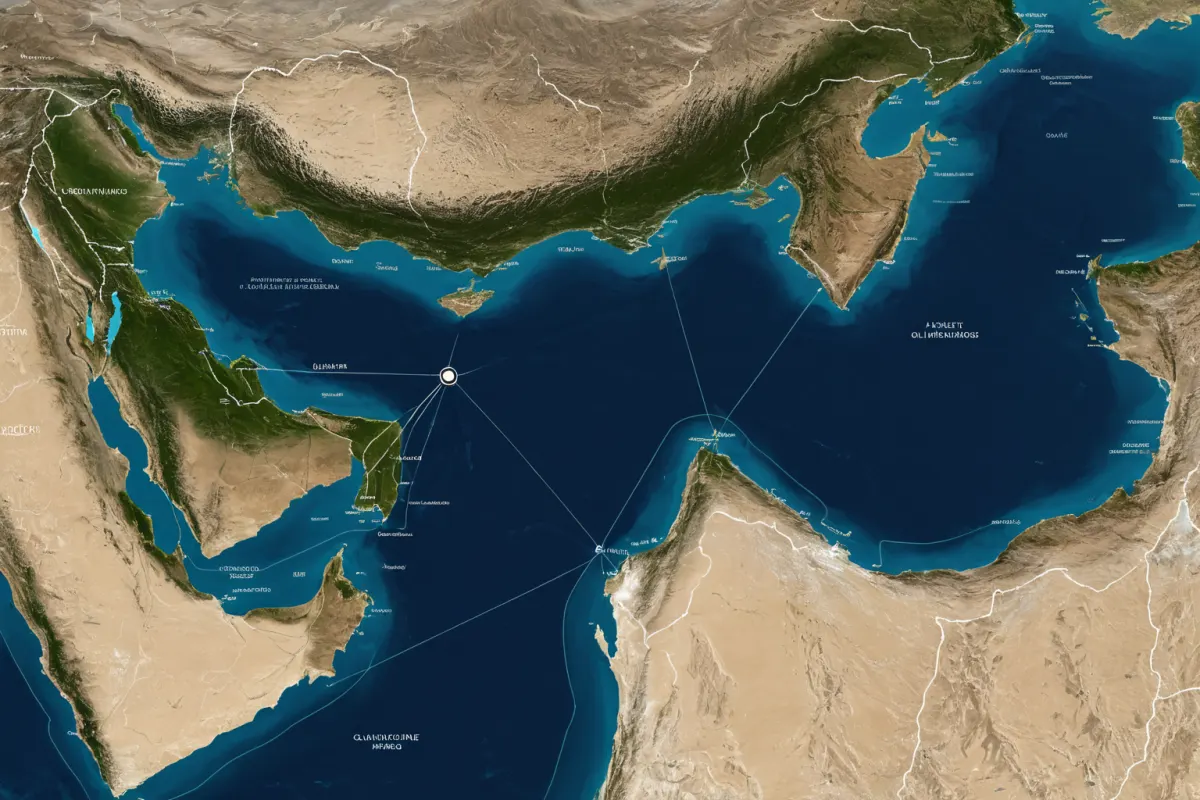
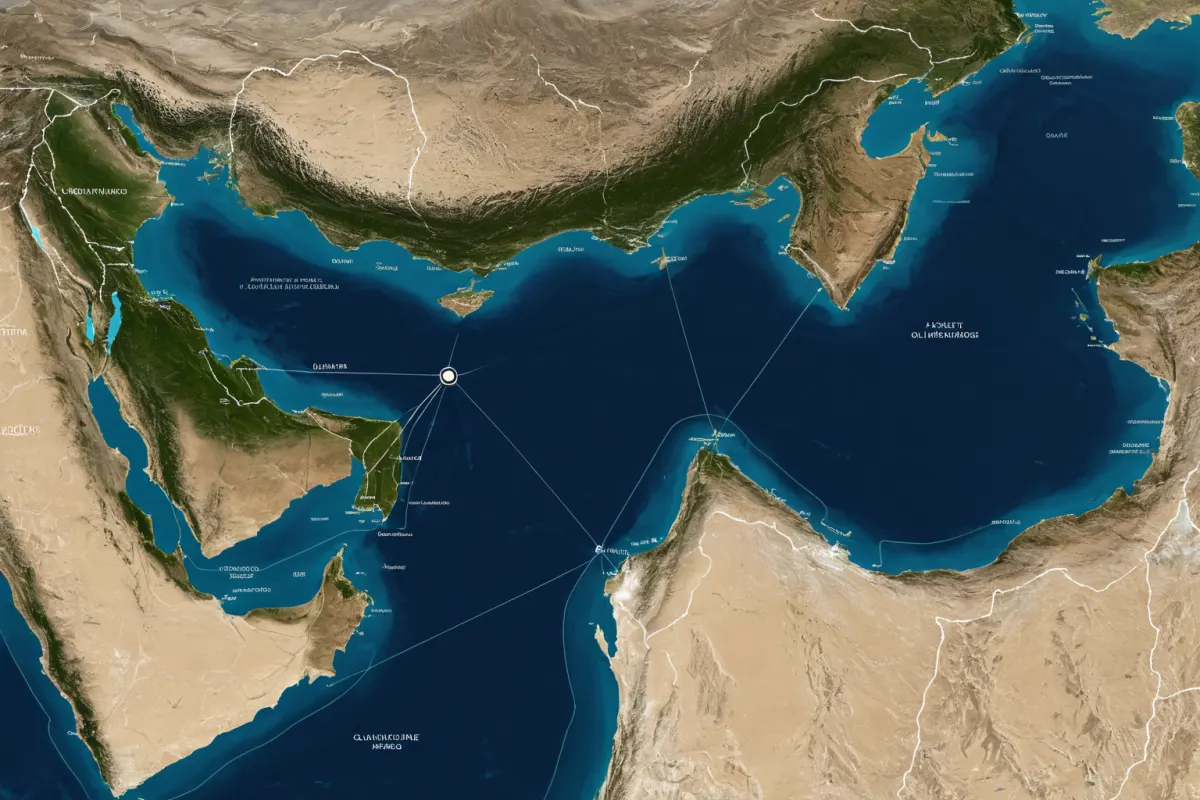
Iran considers the Strait of Hormuz part of its territorial waters and has confirmed a new route passing through Iranian waters. Reports on August 6 revealed that Iran's Foreign Ministry announced coordination with Oman on route coordinates and joint statements.
Iran claims 'the Hormuz is our sea,' asserting management rights, with the new route development seen as a strategy to strengthen maritime authority. Oman is also collaborating for stable Strait operations, with both countries nearing the final stage of their agreement.
U.S.-Iran Negotiations and Oil Price Fluctuations
The Trump administration announced full open access excluding Iranian vessels and proposed replacing a 20% toll fee with Middle East investment agreements. However, Iran insists on refusing Strait reopening until U.S. actions improve.
The blockade of the Hormuz Strait has increased global trade uncertainty and oil price fluctuations, directly impacting negotiations. Reports from August 9 indicate Brent crude prices rose by 1.3% due to Hormuz negotiations.
Economic Impact of Hormuz Strait Bottleneck
The Strait of Hormuz is a critical global energy transit route; blockades or negotiation delays here directly affect international oil prices. Recent reports suggest that delayed Strait reopening has worsened logistics bottlenecks, with global shipping groups predicting economic losses could reach billions of dollars.
Oil price volatility has further heightened uncertainty in the shipping market. Iran's toll fee demands challenge free navigation principles, signaling potential structural changes in maritime trade.
Hormuz Security Discussion at G7 Summit
The 2026 June 15 G7 summit is expected to address Strait of Hormuz security as a key agenda item. While Iran claims the Strait as its territorial waters and seeks management rights, the international community emphasizes upholding free navigation principles.
If discussed at this year's G7 meeting, debates will likely focus on cooperation among neighboring countries and maintaining international norms. Iran may propose additional conditions based on U.S.-Iran negotiation outcomes.
Conditions for Hormuz Strait Reopening: Six Conditions Met
Iran has stated it will refuse reopening until six conditions are met, including improvements in U.S. actions. These conditions were primarily discussed during U.S.-Iran negotiations, with Iran demanding changes to U.S. Middle East policies.
The Trump administration announced full open access excluding Iranian vessels on July 14, but Iran did not accept this. Iran's Foreign Ministry warned of toll fees alongside setting new routes through its territorial waters, signaling potential structural shifts in global maritime trade.
Future Outlook for Hormuz Negotiations
The Iran-Oman agreement on a new route is seen as the first step to easing Strait congestion. However, Iran plans to pursue economic gains through toll fees, with international reactions closely watched.
Despite temporary truce from U.S.-Iran negotiations, logistics bottlenecks are expected to persist for months. Rising uncertainty in shipping markets and oil price fluctuations will continue influencing negotiation progress.

Key Events Timeline on Hormuz Strait Issues
May 11, 2026: The Iranian ambassador to South Korea criticized Trump's failure to resolve the Hormuz Strait issue. This reflects Iran's hardline stance amid negotiation difficulties.
May 20, 2026: Continued Strait blockade increased global shipping market uncertainty, prompting warnings from industry groups about worsening logistics bottlenecks.
June 15, 2026: Reports indicated the G7 summit would discuss Hormuz security as a key agenda item, showing international attention to the issue.
June 26, 2026: Iran's cargo ship attack in the Hormuz Strait caused oil prices to rebound and further strained agreements.
July 13, 2026: U.S.-Iran conflict over shipping rights exploded after three weeks of temporary truce, leading to full-scale confrontation.
August 2, 2026: Trump announced a deal with Iran on opening the Hormuz Strait but Iran did not accept it.
August 4, 2026: Iran and Oman announced progress toward an agreement on new navigation routes through the Hormuz Strait, marking the first step in this development.
Response Strategies for Resolving Hormuz Strait Issues
Maintaining free navigation principles is crucial for stable maritime trade. However, Iran's toll fee demands could challenge international norms, potentially signaling structural changes in global shipping.
The Iran-Oman agreement on new routes aims to ease congestion at the Strait, but Iran's toll fee requirements threaten to undermine free navigation principles, indicating potential shifts in maritime trade structures.
Information to Verify
Information regarding the Hormuz Strait agreement is continuously updated. Particularly notable are the final coordination status of the Iran-Oman joint statement and Iran's toll fee implementation plans.
The progress of U.S.-Iran negotiations is also a key point to monitor, as Iran requires six conditions to be met before reopening the Strait, making U.S. Middle East policy changes central to this issue.
Frequently Asked Questions
When will the Hormuz Strait reopen?
Iran refuses reopening until all six conditions are met, and negotiations are ongoing. With the Iran-Oman new route agreement progressing, logistics bottlenecks are expected to persist for several months.
Why does Iran demand toll fees?
Iran considers the Hormuz Strait part of its territorial waters and seeks management rights and economic gains through toll fees. This challenges international free navigation principles.
How will the G7 summit address Hormuz issues?
The G7 summit is expected to discuss Strait security as a key agenda item. Iran will assert management rights, while the international community emphasizes maintaining free navigation principles.
Frequently Asked Questions
The Hormuz Strait agreement represents an effort by Iran and Oman to establish new routes to alleviate congestion, but disputes over toll fees and U.S.-Iran negotiation uncertainties are challenging international navigation principles. Logistics bottlenecks will likely persist for months despite temporary truces.
Iran plans to pursue economic benefits through toll fees while waiting for U.S. policy changes. International cooperation is needed to maintain free navigation principles and stabilize maritime trade.
You can view similar articles on this topic in one place.
View Related ArticlesFAQ
When will the Hormuz Strait reopen?
Iran refuses reopening until all six conditions are met, and negotiations are ongoing. With the Iran-Oman new route agreement progressing, logistics bottlenecks are expected to persist for several months.
Why does Iran demand toll fees?
Iran considers the Hormuz Strait part of its territorial waters and seeks management rights and economic gains through toll fees. This challenges international free navigation principles.
How will the G7 summit address Hormuz issues?
The G7 summit is expected to discuss Strait security as a key agenda item. Iran will assert management rights, while the international community emphasizes maintaining free navigation principles.
Korean Source
This article is an English localization of a Korean-language report from BlogScore. Original: 호르무즈 해협 합의로 인한 국제 무역 변화 분석