
Important Safety Tips for Using Ampoule Eye Drops and Preventing Accidents
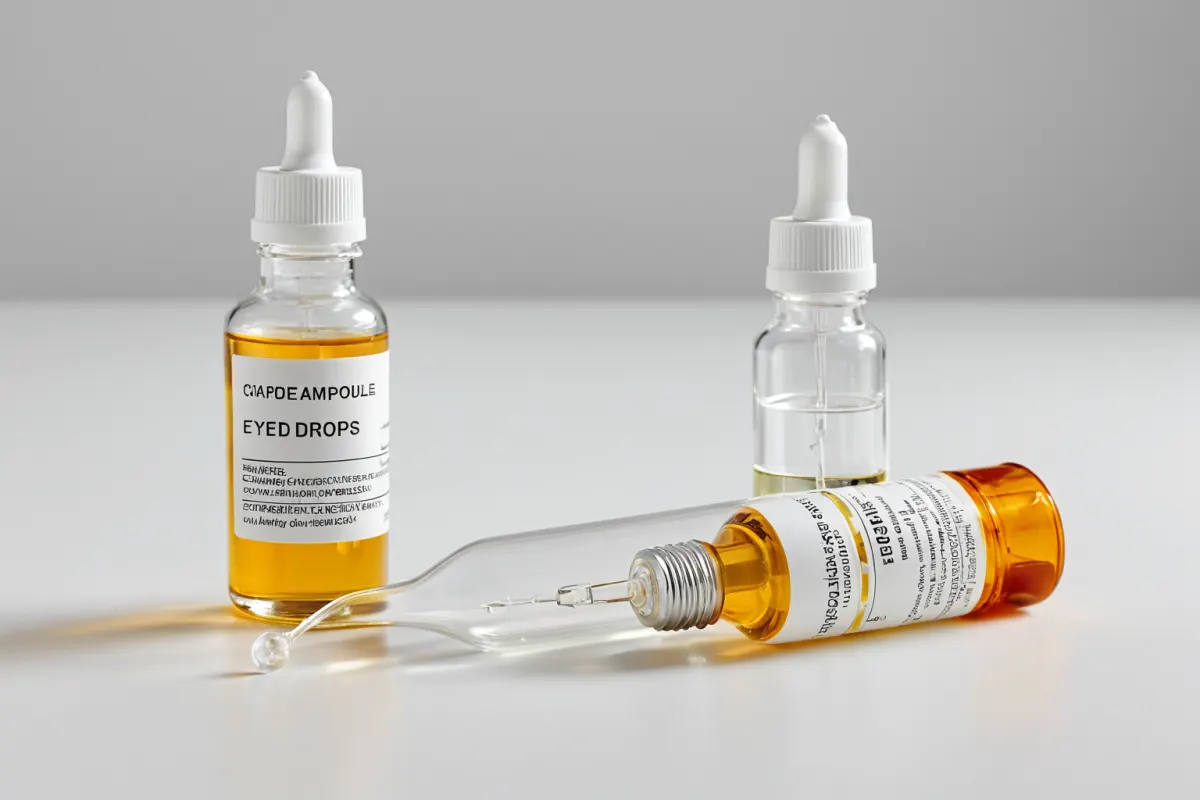
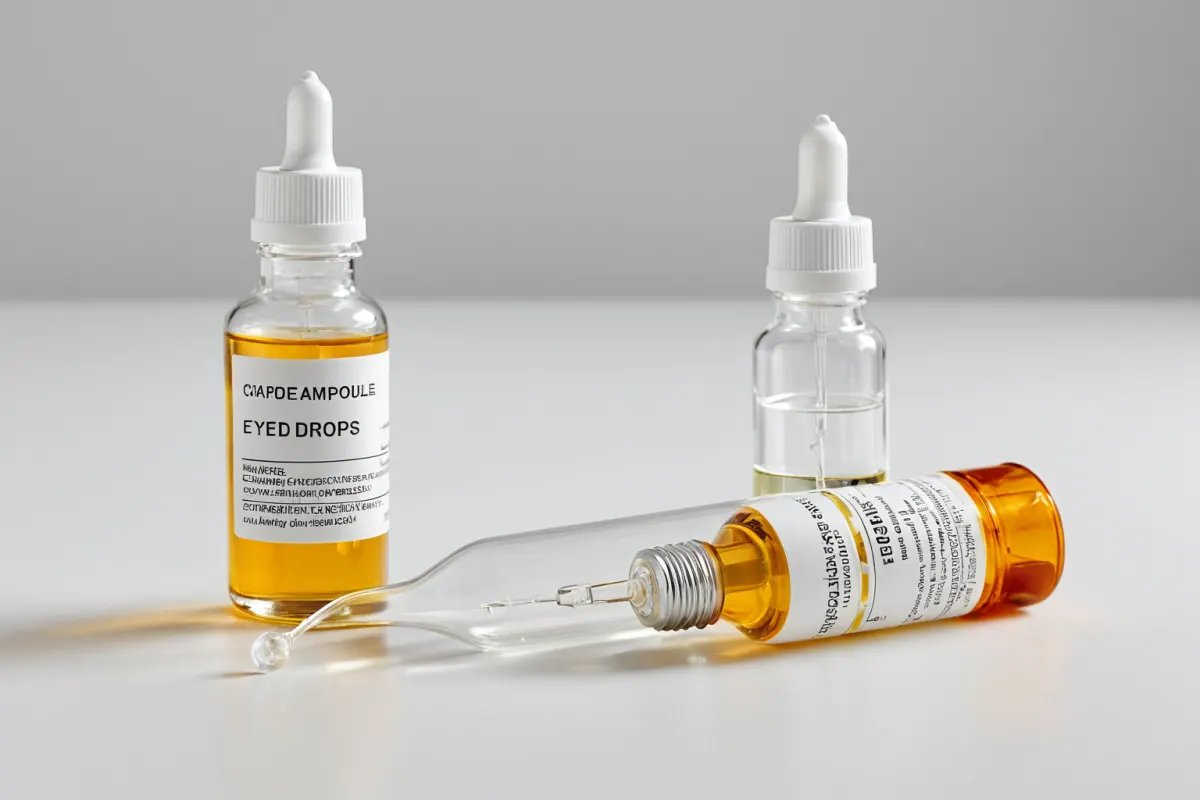
Accidental use of cosmetic products resembling eye drops has been reported frequently, causing eye damage. The Consumer Agency recently confirmed 21 cases of mistaken application over the past five years, particularly involving popular brands like Dr.Jart+, Round Lab, and Tony Moly. Their sunscreens and serums in ampoule containers were often confused with artificial tears. As a result, the agency has recommended design improvements for similar packaging and halted sales of four cosmetic products that mimic single-use eye drop containers.
Incident Statistics
Accidents occur when cosmetics resembling artificial tears are mistakenly applied to the eyes, leading to corneal damage and conjunctivitis. Over the past five years, 21 such incidents have been reported, highlighting the need for caution with products that use similar packaging design to eye drops. In particular, ampoule-shaped cosmetic products are often mistaken for eye drops.
The majority of cases involve adult consumers who may be in a hurry or unfamiliar with the product. Some reports indicate confusion due to storing these items together in the same location. Symptoms include eye irritation, pain, and blurred vision; severe cases require an ophthalmology visit.
Incident Details and Brand Identification
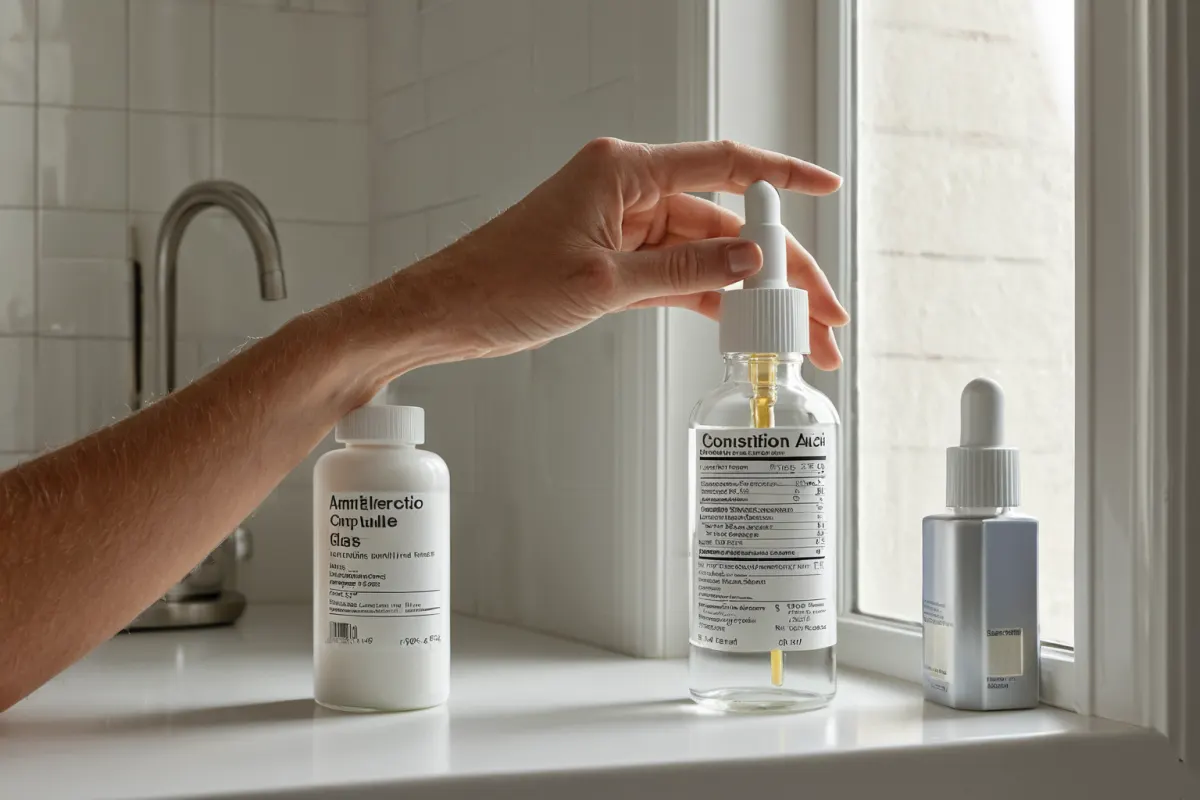
The Consumer Agency ordered four ampoule-style cosmetic products off the market on August 3, 2026, and issued a warning about the risks of confusing these cosmetics with eye drops on August 4. This followed reports that popular brands like Dr.Jart+, Round Lab, and Tony Moly had products—such as sunscreens and serums in ampoule containers—that were mistaken for artificial tears. Consumers are urged to carefully check packaging designs and distinguish between eye drops and cosmetics.
Many brands use ampoule-shaped containers similar to artificial tears, making it easy for consumers to confuse them. For example, some Dr.Jart+ products featured ampoule containers resembling artificial tears, posing a high risk of mistaken application. The agency has recommended that manufacturers improve packaging design to reduce confusion.
Round Lab’s serum products were reported as being confused with eye drops due to their similar ampoule shape. Tony Moly's sunscreen was found to have color and design elements resembling artificial tears, leading to accidental use. These cases emphasize the need for consumers to pay closer attention when purchasing products.
Investigation into Causes of Accidental Use
The main cause of mistaken eye drop application is packaging design that closely resembles artificial tears. Eye drops are typically packaged in single-use ampoules, and similar designs have been adopted by cosmetic manufacturers. Consumers often mistake these products for eye drops.
The Consumer Agency detected cyclosiloxane in most cosmetics on the market and recommended reducing its use, but this relates more to safety concerns than accidental application. The core issue is the similarity in packaging design between cosmetics and eye drops.
Many consumers fail to check labels or instructions before purchasing. Eye drops usually have clear 'for eyes' labeling, while cosmetics display ingredients and usage directions prominently. However, hurried shoppers often overlook these details.
Safety Measures
When buying ampoule-style cosmetics, carefully examine the packaging design. Eye drops typically have clear 'for eye use' labels, while cosmetics will indicate 'cosmetic' or 'skin care.' If the container resembles an eye drop, always check the label and instructions.
The Consumer Agency has recommended design improvements to manufacturers of similar products, and some brands have already changed their packaging. For example, Dr.Jart+ altered its product containers to reduce similarity with artificial tears.
The agency is distributing educational materials explaining how to distinguish between eye drops and cosmetics. These resources guide consumers to look for 'for eyes' or 'ocular use' labels on products. They also recommend reading ingredient lists and usage instructions before purchasing ampoule-shaped cosmetics that resemble eye drops.
Key Information to Check
Always check the product label and instructions before buying. Eye drops will have terms like 'for eyes' or 'ocular use,' while cosmetics are labeled as 'cosmetic' or 'skin care.' When purchasing ampoule-shaped products that resemble eye drops, carefully review ingredient lists and usage instructions.
The Consumer Agency advises consumers to be cautious about similar packaging designs and provides guidance on distinguishing between eye drops and cosmetics. For example, eye drops typically come in clear ampoules, while cosmetics may have more varied colors or labels. Eye drops should not cause irritation after use, whereas cosmetics might irritate the skin.
Frequently Asked Questions
What should I do if I accidentally apply a cosmetic resembling an eye drop to my eyes?
Rinse your eyes immediately and consult an ophthalmologist. Using a cosmetic instead of eye drops can cause irritation or adverse effects.
What should I watch out for when buying ampoule cosmetics?
Check whether the container design resembles artificial tears, verify if there is 'for eye use' labeling on the product, and read ingredient lists and usage instructions carefully.
What actions has the Consumer Agency taken to prevent mistaken application incidents?
The agency recommended packaging design improvements, halted sales of four cosmetic products that mimic single-use eye drops, and provided consumers with guidance on distinguishing between eye drops and cosmetics.
You can view similar articles in one place.
View Related ArticlesFAQ
What should I do if I accidentally apply a cosmetic resembling an eye drop to my eyes?
Rinse your eyes immediately and consult an ophthalmologist. Using a cosmetic instead of eye drops can cause irritation or adverse effects.
What should I watch out for when buying ampoule cosmetics?
Check whether the container design resembles artificial tears, verify if there is 'for eye use' labeling on the product, and read ingredient lists and usage instructions carefully.
What actions has the Consumer Agency taken to prevent mistaken application incidents?
The agency recommended packaging design improvements, halted sales of four cosmetic products that mimic single-use eye drops, and provided consumers with guidance on distinguishing between eye drops and cosmetics.
Korean Source
This article is an English localization of a Korean-language report from BlogScore. Original: 앰플 점안제 사용 시 주의해야 할 사항, 사고 예방법