
AMD Earnings Report: Stock Volatility and Investment Strategies
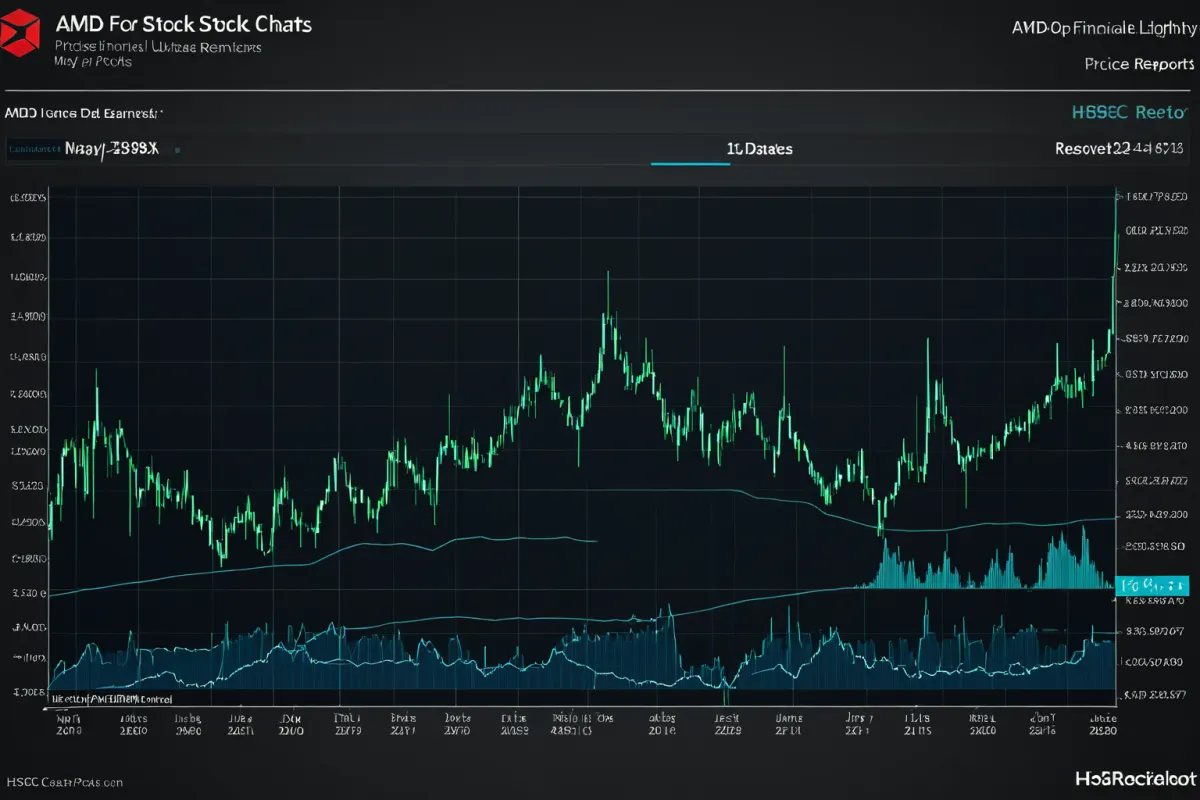
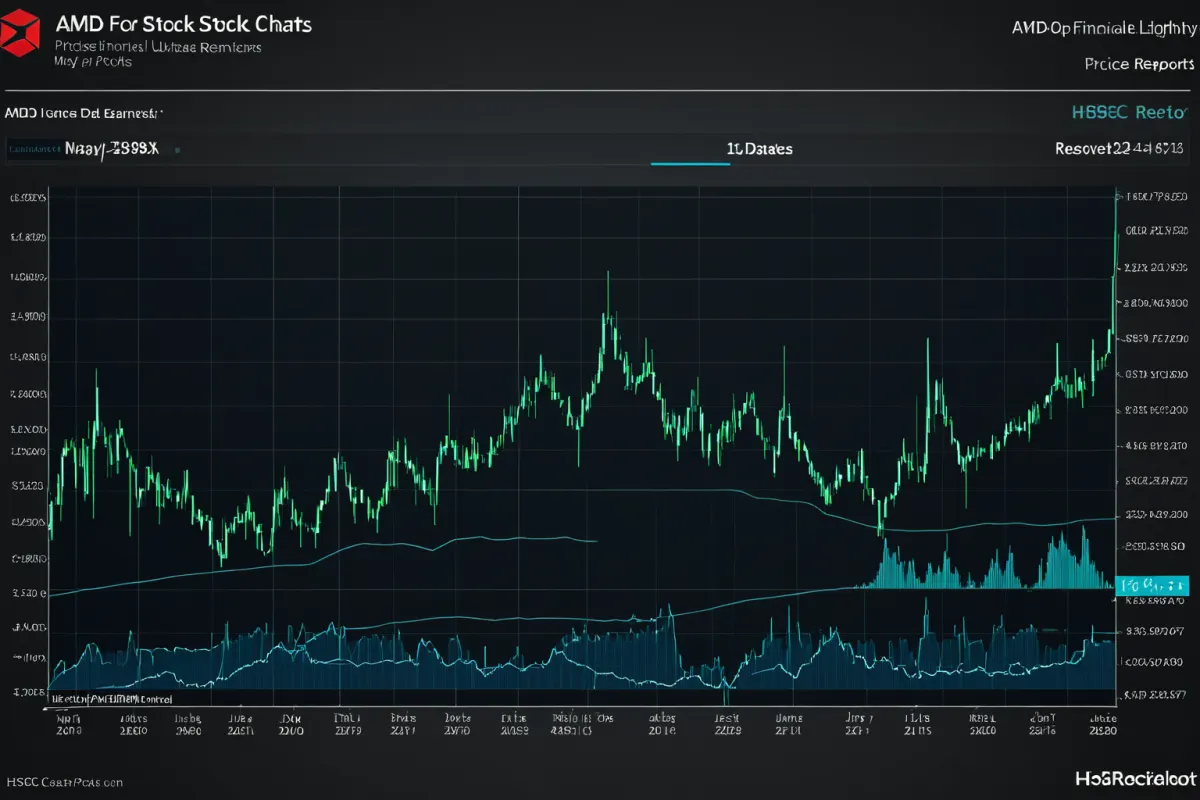
Stock Volatility Before and After AMD's Earnings Release
AMD saw increased stock volatility ahead of its August 3, 2026 earnings announcement, with shares fluctuating by up to ±12% following the report. As the company prepared for its earnings release, investors closely monitored AMD's AI chip strategy and its relationship with competitor NVIDIA.
AMD Q2 Earnings and Market Reaction
At its August 3, 2026 earnings announcement, AMD exceeded market expectations but saw a stock decline due to disappointing forward guidance. After-hours trading saw shares drop 8-9%, contrasting with the company's 50% year-over-year revenue growth in Q2.
The heightened volatility around the earnings report coincided with increased media coverage of AMD's AI chip strategy. In Q1, AMD had exceeded expectations, causing a 14% after-hours surge, but on July 27, shares fell 3.39%, likely due to HSBC downgrading the stock.
HSBC Downgrade and Stock Decline
On May 5, 2026, HSBC downgraded AMD shares, causing a 5% immediate decline. This followed HSBC's concerns about AMD's semiconductor production capacity for 2026. Subsequently, on July 27, AMD shares fell 3.39%, and volatility increased around the earnings announcement.
AMD's AI chip strategy is being developed through a partnership with OpenAI, attracting investor attention. However, lower gross profit margins in Q2 have had a negative impact.
Earnings Report Volatility
The heightened stock volatility before and after the earnings report aligned with options market expectations. A July 28 report indicated that pre-earnings volatility was expected at 7.8%, with post-announcement swings predicted to reach ±12%.
After the announcement, shares initially rose 7% but then dropped 8-9% in after-hours trading, reflecting investor uncertainty about AMD's AI partnerships and its relationship with competitor NVIDIA.
AMD Market Cap Target and Analyst Predictions
AMD maintains potential for reaching a $1 trillion market cap, with analysts setting a target price of $665. This reflects investor confidence in future growth despite the Q2 revenue increase of 50% coinciding with a stock decline.
Following its strong Q1 performance that drove a 14% after-hours surge, AMD's shares declined due to HSBC's downgrade, highlighting ongoing volatility as investors focus on AMD's AI chip strategy and its potential to improve earnings.
Investor Reaction and Analyst Views
Analysts maintained 'buy' ratings for AMD following the Q2 report. While benchmark analysts showed selling pressure due to concerns about future outlook despite 50% revenue growth, shares rose 7% post-announcement, indicating positive market reaction.
Trading at nearly 20% below its peak before the earnings announcement, AMD's stock decline reflected investor uncertainty about its AI chip strategy and relationship with NVIDIA. This was further exacerbated when Musk stated he would 'use only NVIDIA chips,' causing a 9% after-hours drop.
Detailed Look at AMD's AI Chip Strategy
Specific details and results of AMD's AI chip strategy have not been disclosed in reports. Analysts note that investor interest is growing as the strategy may improve earnings, but specific content remains unreported.
AMD has focused on AI-specific validation through its partnership with OpenAI, which appears to be part of a broader strategy considering competition with NVIDIA. However, no specific achievements or technical details have been reported.
Investigating Causes of AMD Stock Volatility
The main causes of AMD's stock volatility were HSBC's downgrade and increased price swings around the earnings announcement. On May 5, HSBC downgraded AMD shares by 5%, followed by a 3.39% decline on July 27.
Increased volatility was driven by investor uncertainty regarding AMD's AI chip strategy and its relationship with NVIDIA. Musk's statement about using 'only NVIDIA chips' contributed to a 9% after-hours drop in shares.
AMD Earnings Report: Stock Volatility
Unverified Information and Verification Check
No specific details or results regarding AMD's AI chip strategy have been reported. While analysts note growing investor interest, the lack of detailed information remains a key point.
Frequently Asked Questions
How did AMD stock move after its earnings report?
After Q2 earnings, AMD shares rose 7% but then dropped 8-9% in after-hours trading, showing significant volatility.
What was the impact of HSBC's downgrade on AMD?
On May 5, 2026, HSBC downgraded AMD shares by 5%, citing concerns about semiconductor production capacity for 2026.
Have details of AMD's AI chip strategy been reported?
No specific details or results regarding AMD's AI chip strategy have been disclosed in reports. Analysts note investor interest but lack detailed information.
Frequently Asked Questions
AMD exceeded market expectations in its August 3, 2026 Q2 earnings report with a 50% revenue increase, but the stock declined due to disappointing guidance. Shares rose 7% after the announcement but dropped 8-9% in after-hours trading. AMD's AI chip strategy is attracting investor interest through OpenAI partnerships, though specific details remain unreported. Analysts maintain a $665 target price and believe AMD could reach a $1 trillion market cap. Investors are closely watching AMD's relationship with NVIDIA as it impacts stock volatility.
Investors focused on AMD's AI chip strategy and its competitive position against NVIDIA, leading to heightened volatility around the earnings announcement. Moving forward, AMD may stabilize its stock through improved performance in the AI chip market and better relationships with competitors.
You can view more articles on similar topics here.
View Related ArticlesFAQ
How did AMD stock move after its earnings report?
After Q2 earnings, AMD shares rose 7% but then dropped 8-9% in after-hours trading, showing significant volatility.
What was the impact of HSBC's downgrade on AMD?
On May 5, 2026, HSBC downgraded AMD shares by 5%, citing concerns about semiconductor production capacity for 2026.
Have details of AMD's AI chip strategy been reported?
No specific details or results regarding AMD's AI chip strategy have been disclosed in reports. Analysts note investor interest but lack detailed information.
Korean Source
This article is an English localization of a Korean-language report from BlogScore. Original: AMD 실적 발표: 주가 변동과 투자 전략 제시