
Ambassador Michelle Steel's Arrival in South Korea: A New Chapter for U.S.-South Korea Relations


Ambassador Michelle Steel's Arrival Date and Background
U.S. Ambassador Michelle Steel officially entered South Korea on July 30, 2026, resolving an 18-month vacancy in the position of U.S. Ambassador to South Korea. She is the first ambassador appointed by President Trump's second term administration and a Korean-American woman born in Seoul with proficiency in Korean. Upon arrival at Incheon International Airport, she was accompanied by her husband, Sean Steel, a lawyer, while progressive groups staged an unexpected protest.
Arrival Scene and Protest Details
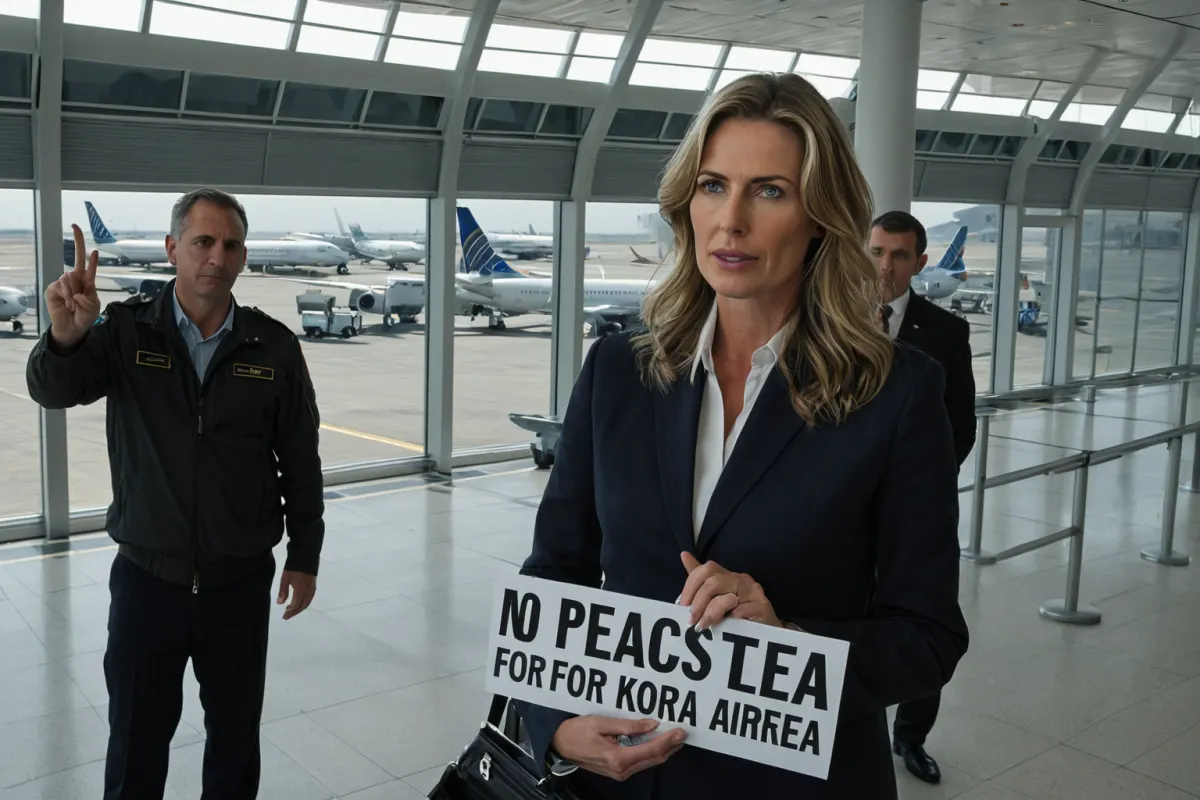
Ambassador Steel began her official duties upon arriving at Incheon International Airport on July 30. She emerged from the arrival area with her husband, where progressive civic groups held signs demanding 'improved U.S.-South Korea relations' as part of their opposition protest. Ambassador Steel briefly paused to greet the crowd but avoided direct conversation with protesters before departing the airport.
When asked by waiting media about her mission, Steel stated she would work to strengthen the U.S.-South Korea alliance and introduced herself in Korean: 'I was born in Seoul.' This moment eased some tension at the scene and demonstrated her cultural understanding and empathy.
Connection to Trump Administration's Vision for U.S.-South Korea Alliance
Ambassador Steel’s appointment is expected to play a key role in implementing President Trump's policy of strengthening the U.S.-South Korea alliance. She was nominated in April 2026 and confirmed by the Senate on June 18, 2026, after navigating a contentious confirmation process.
Steel has emphasized that 'the U.S.-South Korea alliance is the cornerstone of regional peace' and specifically highlighted strengthening cooperation with North Korea. This signals a potential new approach from the U.S. government regarding North Korean issues.
Resolving an 18-Month Vacancy and Senate Confirmation Process
The position of U.S. Ambassador to South Korea had been vacant since late 2024, with acting officials managing duties during this period. Steel's confirmation by the Senate on June 18, 2026, followed a contentious process despite opposition from conservative senators.
Her nomination is seen as a concrete step by the Trump administration to view U.S.-South Korea relations as strategic partners and strengthen ties. The Senate’s approval indicates recognition of the importance of this relationship within U.S. politics.
Ambassador Steel's Korean Language Skills and Cultural Understanding
During her official arrival, Ambassador Steel introduced herself in Korean by stating 'I was born in Seoul,' showcasing her language skills. This demonstrates her deep understanding of Korean culture and has been viewed as an important first step toward improving U.S.-South Korea relations.
Steel has a background in business-friendly policies from her political career in the United States, which is expected to positively influence cooperation with South Korea. Specifically, she is anticipated to focus on expanding economic collaboration between the two nations.
Progressive Groups' Protest and Response
On arrival day, progressive groups protested against strengthening U.S.-South Korea military alliance by criticizing American military involvement and holding signs calling for peaceful resolution of the Korean Peninsula. These protests reflected opposition to increased military ties between the two countries.
Ambassador Steel briefly paused to greet protesters but avoided direct discussion before departing. This approach reflects a cautious response by the U.S. government to political tensions within South Korea.
U.S. Government's Strategy for Strengthening U.S.-South Korea Alliance
The Trump administration has designated the U.S.-South Korea alliance as 'the strongest alliance' and plans to lead peace processes on the Korean Peninsula. This signals a potential new approach from the U.S. government regarding North Korean issues.
With Ambassador Steel’s appointment, stronger strategic cooperation between the two nations is expected to begin, with simultaneous focus on economic collaboration and military alliance enhancement.
Future Strategies and Safety Information
The U.S. government plans to implement various policies aimed at improving U.S.-South Korea relations following Ambassador Steel’s appointment. One key area of focus will be expanding economic cooperation, particularly in technology sectors through joint research and attracting investment.
The South Korean government also plans an active response to Steel's arrival, with discussions on relationship improvement expected during upcoming U.S.-South Korea summits. This is seen as a crucial step for building trust and strengthening collaboration between the two nations.
Key Information to Verify
Important details regarding Ambassador Steel’s appointment include: first, what controversies arose during her Senate confirmation process; second, how her Korean language skills will impact U.S.-South Korea relations; third, why progressive groups protested and how the U.S. government responded.
This information helps understand the future direction of U.S.-South Korea relations after Steel’s appointment, particularly emphasizing that her Korean language ability is expected to play a significant role in improving bilateral ties.
Frequently Asked Questions
Was Ambassador Michelle Steel born in South Korea?
Yes, Ambassador Michelle Steel was born in Seoul and is a Korean-American. She speaks Korean fluently and introduced herself as 'born in Seoul' upon arrival.
How will Ambassador Steel’s appointment affect U.S.-South Korea relations?
Under the Trump administration's policy of strengthening the U.S.-South Korea alliance, it is expected that the alliance will be designated as 'the strongest alliance,' with simultaneous focus on economic cooperation and military alliance enhancement.
Why did progressive groups protest?
Progressive groups opposed increased U.S. military involvement and held signs calling for peaceful resolution of the Korean Peninsula issues, reflecting opposition to strengthening military alliances between the two countries.
Frequently Asked Questions
Ambassador Michelle Steel's official arrival in South Korea on July 30, 2026, marks a significant milestone for improving U.S.-South Korea relations and advancing strategic cooperation. As a Seoul-born Korean-American with Korean language proficiency, she is expected to positively influence bilateral ties.
The resolution of an 18-month vacancy in the ambassadorial position represents the first step toward implementing the Trump administration's policy of strengthening the U.S.-South Korea alliance. Ambassador Steel’s appointment opens a new chapter for relations between the two nations, with her Korean language skills expected to play a crucial role in building trust and expanding cooperation.
You can explore more articles on similar topics here.
View Related ArticlesFAQ
Was Ambassador Michelle Steel born in South Korea?
Yes, Ambassador Michelle Steel was born in Seoul and is a Korean-American. She speaks Korean fluently and introduced herself as 'born in Seoul' upon arrival.
How will Ambassador Steel’s appointment affect U.S.-South Korea relations?
Under the Trump administration's policy of strengthening the U.S.-South Korea alliance, it is expected that the alliance will be designated as 'the strongest alliance,' with simultaneous focus on economic cooperation and military alliance enhancement.
Why did progressive groups protest?
Progressive groups opposed increased U.S. military involvement and held signs calling for peaceful resolution of the Korean Peninsula issues, reflecting opposition to strengthening military alliances between the two countries.
Korean Source
This article is an English localization of a Korean-language report from BlogScore. Original: 미셸 스틸 대사 한국 입국, 현장에서 보는 정확한 경위