
Alpoint Ending Explained: A Comprehensive Breakdown of the Film's Meaning
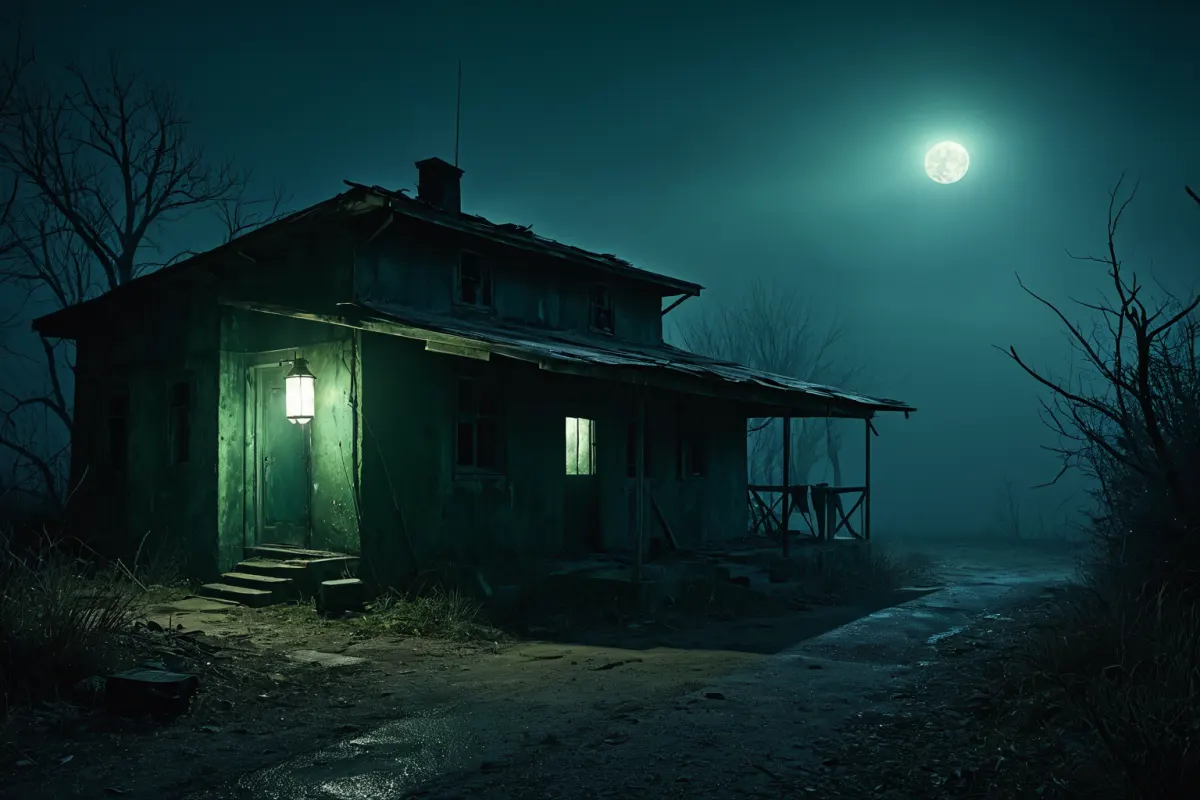
The ending of Alpoint can be interpreted both as "the ghost was real" and as "a collective collapse caused by war," making it an open-ended conclusion. This is why the film lingers in viewers' minds long after watching—it doesn't end with a single scene but leaves key moments and dialogues to be revisited. The core message isn't about ghosts, but about how the terror of war breaks people down mentally.
The Meaning Behind Alpoint's Ending
As the film progresses, characters are shaken more by internal distrust and fear than external threats. It's not about who survives or dies—it's that even those who make it to the end are psychologically broken.
So when interpreting Alpoint's ending, focus less on "what ghost appeared" and more on "why did everyone start doubting each other?" The film answers this question while conveying a deeper message: war isn't just a backdrop—it's a space that erodes humanity.
You can find more articles on similar topics in one place.
View Related ArticlesFrench Clues in Alpoint
Some search for "Alpoint French translation" or "French interpretation," likely because of foreign language dialogue, cover text, or names in the film. However, these elements serve more to enhance atmosphere and symbolism rather than provide direct clues.
In other words, a single French phrase doesn't fully explain the ending. Instead, the unfamiliar language creates distance, reinforcing the feeling that "this is an incomprehensible space," which ties into the overall unease of the film.
Group Psychology Over Ghosts
A common topic in Alpoint interpretations is whether the ghost was real or not. Some scenes clearly suggest supernatural events, while others can be explained as fear and hallucinations. This ambiguity is what makes the film powerful.
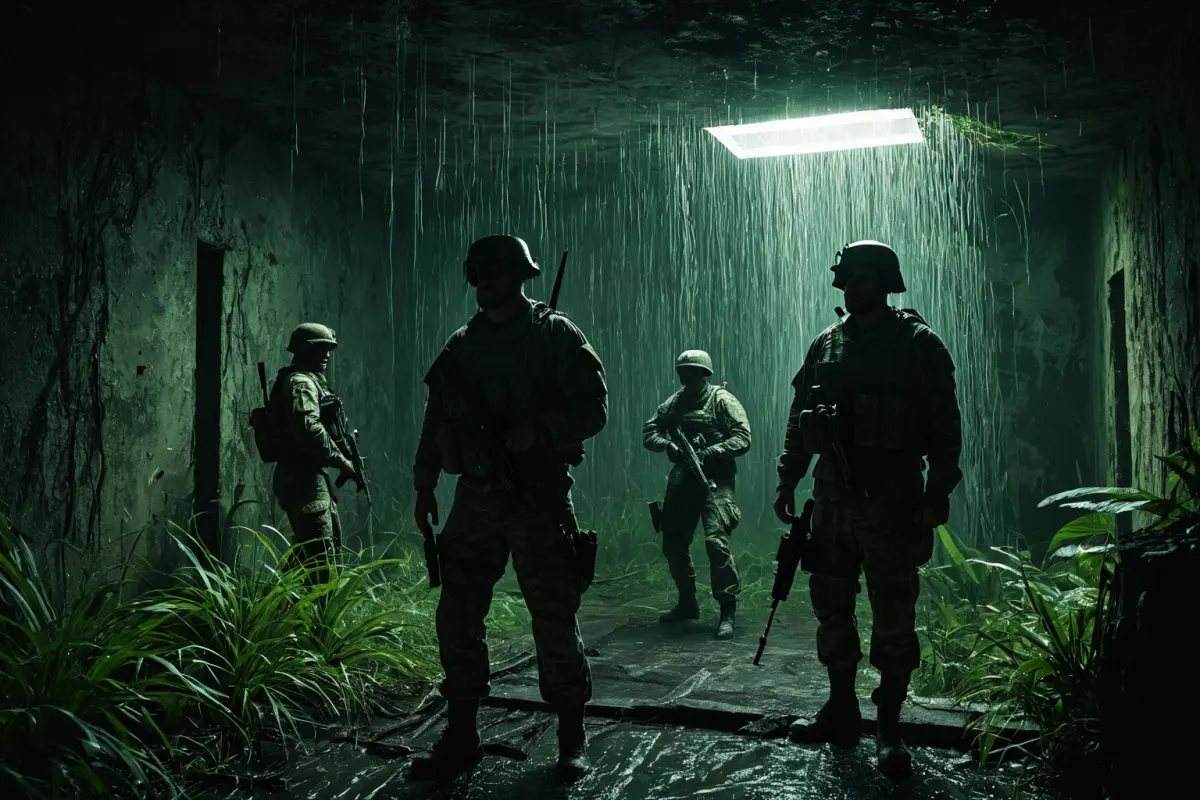
For example, early on, strange sounds or unknown figures outside seem threatening, but over time, distrust among soldiers becomes a greater danger. Once trust breaks down, the group collapses, and fear spreads beyond reality.
The key point here is that the film doesn't give a clear answer. Viewers end up focusing not on "were there ghosts?" but on "why did the fear feel so real?"
Key Points in the Ending Scene
The survivor's state at the end is far from victory. While they've physically survived, their inner world is consumed by confusion, guilt, and fear. This is why many revisit Alpoint's ending interpretation.
Especially toward the end, the atmosphere feels less like "escape achieved" and more like "no matter where you run, it doesn't end." War and fear don't disappear when you leave a place—they stay with survivors in their memories.
This is why the ending leaves behind emotional aftereffects rather than resolving the story. Viewers may feel unsettled even after the film ends—the discomfort itself is part of what the film intended to evoke.
Interpreting Through Scenes
New viewers might wonder, "Why did that character suddenly become so anxious?" But the characters are already deeply exposed to extreme conditions, so small triggers lead to explosive reactions.
For instance, a single sound or glance can trigger suspicion, which then turns into violence. Following this progression helps explain why it's said that humans are scarier than monsters in this film.
To understand the interpretation better, look at how character relationships deteriorate rather than focusing on one scene alone. This reveals Alpoint as more of a psychological thriller than just a ghost story.
Director’s Intent and Film Atmosphere
A common point in director interpretations is "the method of not explaining everything." By leaving things unclear, the film forces viewers to piece meaning together themselves, intensifying anxiety through this process.
The atmosphere builds from elements like darkness, dampness, claustrophobia, unfamiliar languages, and uncertain commands. Each scene leaves tension unresolved, making each new scene feel more pressuring than the last.
Because of this approach, Alpoint sparks diverse interpretations across platforms like DC Inside, Daegeu, and Pemco. With no single answer, viewers take away different points of fear from the film.
What You Might Miss on First Viewing
When watching Alpoint for the first time, it's easy to get caught up in the atmosphere without noticing key dialogues. But certain lines and actions hold important clues for understanding the ending.
- The moment characters stop trusting each other
- The point where internal conflict outweighs external threats
- Scenes where reality blurs with hallucinations
Focusing on these three aspects makes it clearer why the film ends as it does. The ending feels less like a conclusion and more like the continuation of fear's spread.
Summary of Alpoint’s Ending Interpretation
In short, Alpoint’s ending doesn't force you to choose between supernatural events or psychological collapse—it leaves both possibilities open. Whether you see ghosts as real or interpret it as collective madness caused by war, the film's message remains intact.
The core lies in how quickly humans lose trust in each other under extreme conditions and how long that fear lingers afterward. This is why Alpoint is often remembered more as a psychological drama about war than just a horror film.
If you didn't fully grasp it on first viewing, try recalling the characters' emotional shifts and the final atmosphere rather than searching for scene explanations—the latter is far less important in understanding this film.
FAQ
Q. Does Alpoint's ending mean the ghost was real?
A. There are scenes that support this interpretation, but the film doesn't give a definitive answer. It leaves room for both supernatural and psychological interpretations.
Q. Why do interpretations of Alpoint vary so much?
A. It's not because of lack of explanation—it's intentional ambiguity. How viewers weigh different elements shapes their understanding of the ending.
Q. What should you focus on during your first viewing?
A. Pay attention to how distrust grows between characters rather than focusing on the ghost's identity. Following this progression makes the ending feel natural and logical.
Re-release dates, streaming availability, or director interviews may vary depending on current information—check for updates as needed.
Keep exploring similar topics.
View Category ArticlesFAQ
Does Alpoint's ending mean the ghost was real?
There are scenes that support this interpretation, but the film doesn't give a definitive answer. It leaves room for both supernatural and psychological interpretations.
Why do interpretations of Alpoint vary so much?
It's not because of lack of explanation—it's intentional ambiguity. How viewers weigh different elements shapes their understanding of the ending.
What should you focus on during your first viewing?
Pay attention to how distrust grows between characters rather than focusing on the ghost's identity. Following this progression makes the ending feel natural and logical.
Korean Source
This article is an English localization of a Korean-language report from BlogScore. Original: 알포인트 해석: 결말 의미까지 한 번에 정리