
Air Seoul Passenger Jet Fire Incident: Causes and Response Procedures Explained
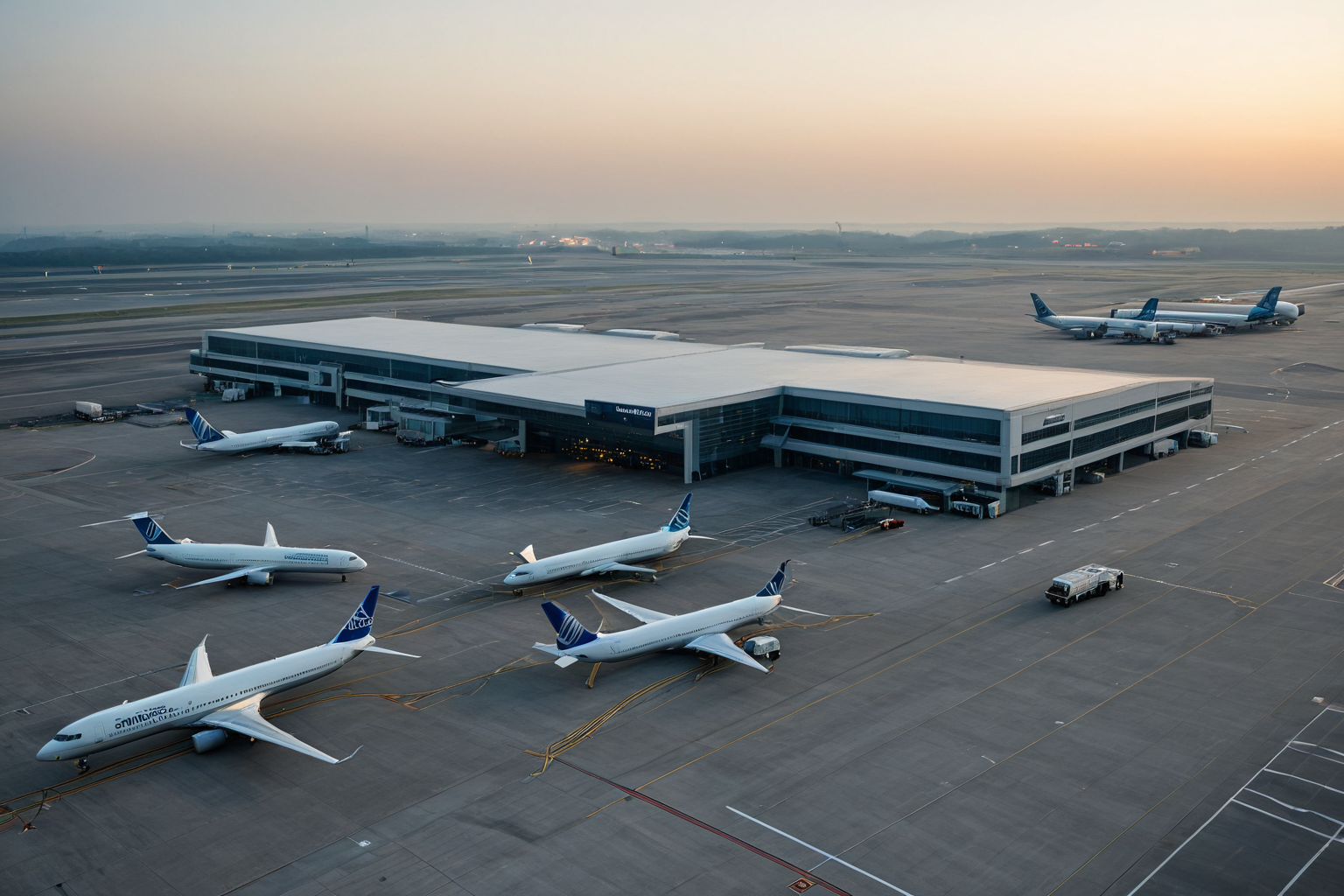
Cause of the Air Seoul Passenger Jet Fire Incident
A fire broke out on an Air Seoul passenger jet bound for Da Nang from Incheon Airport on September 25, 2026, before takeoff due to a power bank ignition. All 228 passengers evacuated urgently, causing approximately a three-hour delay. The incident occurred on the first day of the Chuseok holiday period, leading to significant traffic congestion. The accident has sparked debate over the airline's compliance with power bank usage policies and crew response procedures.
Power banks pose a high risk of overheating during charging or prolonged use, making them particularly hazardous inside an aircraft cabin. At the time of the incident, passengers were found carrying power banks, indicating insufficient adherence to airline policies and exposing weaknesses in onboard safety management. This has become a test for airlines' increasingly stringent power bank regulations over recent years.
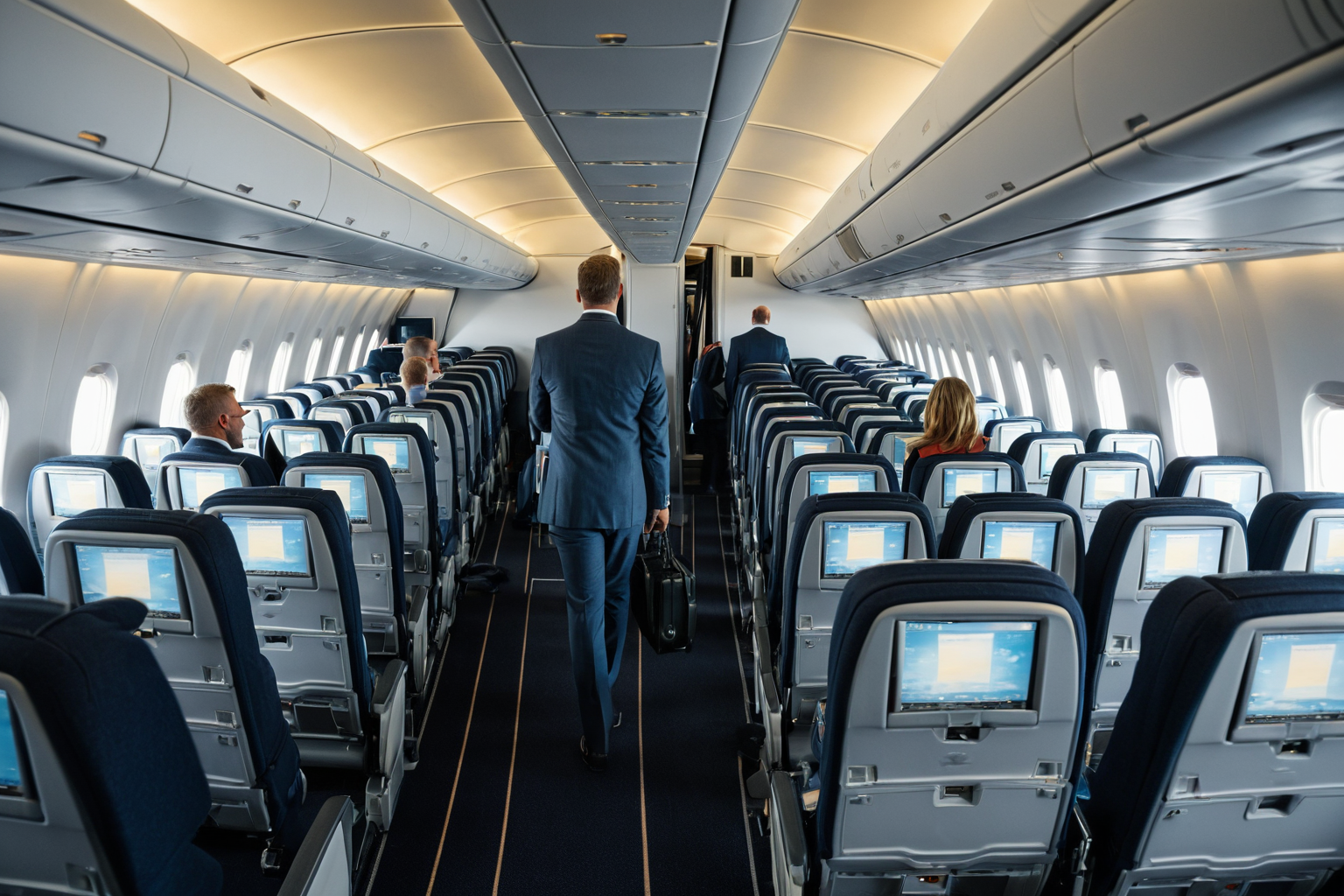
Incident Details and Response Procedures
The fire occurred before takeoff, with passengers found to be carrying power banks in violation of the airline's policy prohibiting their use onboard. There were reports that fire extinguishers were not used during the incident, and passengers attempted to extinguish the flames by spraying water, which reportedly led to crew members being involved.
Immediately after the fire broke out, passengers began evacuating, suggesting some effectiveness of the airline's safety training and procedures. However, the confusion caused when passengers sprayed water before the arrival of firefighters revealed gaps in response protocols. This highlights the need for improved placement of fire suppression equipment onboard and enhanced crew training.
At Incheon Airport on the day of the incident, other flights to Da Nang also experienced cascading delays, contributing to major traffic congestion that significantly impacted tourists and travelers' itineraries. The accident occurred early in the morning on September 25, the first day of the Chuseok holiday period, causing severe disruption to flight schedules at Incheon Airport.
Timing and Location of the Incident
The incident occurred at 1:38 a.m. on September 25, 2026, at Terminal 2 of Incheon Airport. The date was the first day of the Chuseok holiday period, when large-scale travel was expected. After an emergency evacuation of 228 passengers, normal operations resumed approximately three hours later, but other Da Nang-bound flights also experienced cascading delays.
After the fire broke out, crew members guided passengers to evacuate, and before firefighters arrived, passengers attempted to extinguish the flames by spraying water. However, reports indicated that crew members were involved in this process, revealing a chaotic situation during the incident. This highlights both limitations in airline response procedures and training, as well as the relatively high safety awareness among passengers.
Airline Policy and Related Matters
Air Seoul prohibits power bank use onboard due to their high fire risk. However, it appears that this policy was not followed at the time of the incident or passengers were unaware of the rule.
According to customer satisfaction surveys, Air Seoul has recorded its lowest score in recent years. This incident could further erode passenger trust and is significant given that Air Seoul has faced multiple issues related to service quality and safety management over the past few years.
As a result of this incident, the airline has decided to review its onboard power bank policy, strengthen evacuation procedures, and enhance fire equipment installation. Additionally, they are improving crew evacuation training programs to ensure more effective responses in case of similar incidents.
Cause Analysis of the Fire
The direct cause of the fire was confirmed as a power bank ignition. Power banks can overheat during charging or use, posing a fire hazard. While Air Seoul prohibits onboard power bank usage, it appears that this policy was not effectively enforced at the time of the incident.
Fire analysis indicated that the ignited power bank was in a charging state, suggesting passengers attempted to charge it onboard. Charging power banks is prohibited under airline policy, but this rule was apparently not followed during the incident.
This incident underscores the need for additional measures regarding power bank safety management. Specifically, there are calls to strengthen pre-takeoff checks of passenger belongings and provide further education and guidance on compliance with the power bank usage ban.
Response and Safety Information
After passengers evacuated, firefighters arrived and completed fire suppression. However, it is notable that fire extinguishers were not used during the incident, suggesting either insufficient installation of fire extinguishers onboard or inadequate crew training on their use.
The airline has announced plans to review its power bank-related policies, improve crew evacuation procedures, and strengthen fire equipment installation and usage training. These are concrete steps toward improving safety management systems following the incident.
Additionally, both the airline and government are considering revising safety standards related to power banks and mandating the installation of fire extinguishers onboard with mandatory training on their use. This could play an important role in preventing similar incidents and ensuring passenger safety.
Information to Verify
Reports that crew members were involved when passengers sprayed water to extinguish the flames during the incident remain unconfirmed. Further verification is needed, with relevant authorities currently investigating the facts.
Customer satisfaction survey results and post-incident response measures are also topics requiring ongoing attention. These will serve as important benchmarks for preventing future incidents and improving safety management.
The confusion that arose when passengers sprayed water to extinguish the fire highlights again the need for better placement of firefighting equipment onboard and enhanced crew training. This underscores the necessity for airlines to establish more rigorous safety management systems in the future.
Frequently Asked Questions
What was the cause of the Air Seoul passenger jet fire incident?
The fire occurred due to a power bank ignition. While the airline prohibits onboard power bank usage, there were issues with policy compliance at the time of the incident.
Which part of the response procedure had problems during the incident?
There was insufficient use of fire extinguishers and reports that crew members were involved when passengers sprayed water to extinguish flames before firefighters arrived. This revealed limitations in pre-firefighter arrival response procedures.
Why has Air Seoul's customer satisfaction reached its lowest point?
The incident, along with service quality deterioration and safety management issues, has led to a decline in passenger trust. The accident highlighted the need for improvements in airline policies and response procedures.
FAQ
What was the cause of the Air Seoul passenger jet fire incident?
The fire occurred due to a power bank ignition. While the airline prohibits onboard power bank usage, there were issues with policy compliance at the time of the incident.
Which part of the response procedure had problems during the incident?
There was insufficient use of fire extinguishers and reports that crew members were involved when passengers sprayed water to extinguish flames before firefighters arrived. This revealed limitations in pre-firefighter arrival response procedures.
Why has Air Seoul's customer satisfaction reached its lowest point?
The incident, along with service quality deterioration and safety management issues, has led to a decline in passenger trust. The accident highlighted the need for improvements in airline policies and response procedures.
Korean Source
This article is an English localization of a Korean-language report from BlogScore. Original: 에어서울 여객기 화재 사고 원인 및 대응 절차 상세 설명