
The History and Evolution of the AH-64 Apache Attack Helicopter
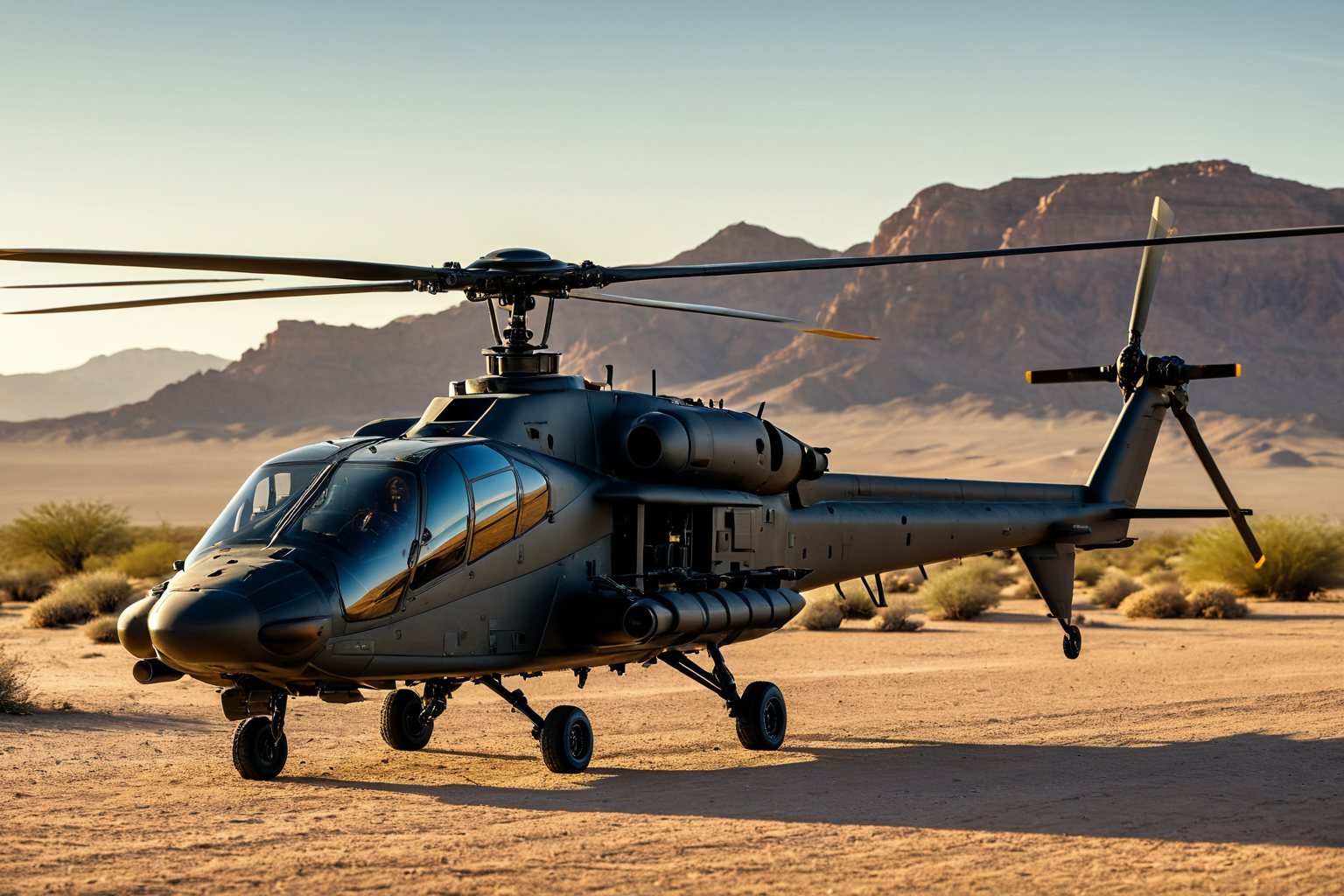
The History and Evolution of the AH-64 Apache Attack Helicopter
The AH-64 Apache, the U.S. Army's primary attack helicopter, was developed in the 1970s and remains widely regarded as the world's most formidable attack helicopter today. Celebrating its 50th anniversary in November 2025, it continues to undergo performance upgrades and new deployments.
Deployed operationally since the early 1980s, the U.S. Army recently approved a budget of 467 billion won (approximately $350 million) in August 2024 for additional Apache procurement. The U.S. Forces Korea is currently fielding the upgraded AH-64E v6 version, strengthening cooperation between South Korea and Boeing.
The Apache's development began in the early 1970s when the U.S. Army sought a new attack helicopter after encountering limitations with existing systems following the Vietnam War. In 1975, Boeing and Aerospace (now part of Lockheed Martin) jointly developed the AH-64 Apache, which entered operational service in the early 1980s, fundamentally reshaping U.S. Army attack helicopter strategy.
The Apache's first major combat deployment was during the 1991 Gulf War, where it played a key role in precision strikes against Iraqi defenses during large-scale maneuver warfare. It also saw significant use in the 2003 Iraq War, particularly demonstrating its versatility in urban combat environments.
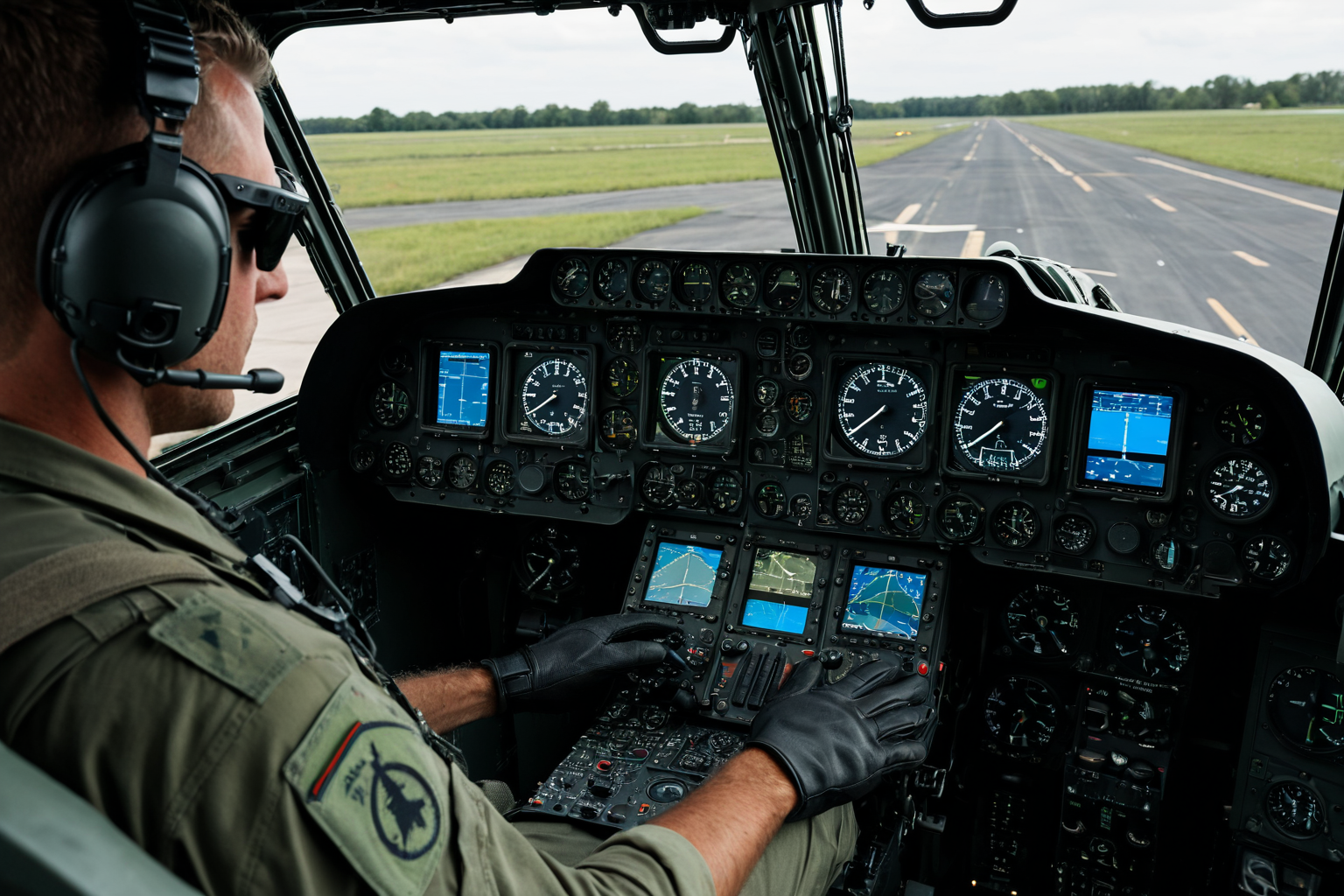
50th Anniversary and New Ammunition Development
The AH-64 Apache's 50th anniversary was celebrated in November 2025 at a ceremony held in Arizona, USA. This event highlighted the helicopter's enduring strategic importance since its development in the 1970s.
Recently, production of the new proximity-fused ammunition has increased fivefold, transforming the Apache into a 'drone hunter.' This strategic move responds to rising drone threats and showcases U.S. military technological innovation.
The new proximity-fused ammunition, designated M120 type, allows for five times more rounds than previous ammunition types, enhancing its ability to engage small targets like drones. This decision follows increased drone attacks in the Middle East, expanding the Apache's role in modern warfare.
At the November 2025 anniversary event, a display highlighted the Apache's history and development, including key combat cases since its operational deployment in the 1980s. This demonstrated how the Apache has evolved from a mere attack platform into a core element of U.S. military strategy.
U.S. Forces Korea Deployment and Performance Upgrades
The U.S. Forces Korea began fielding the upgraded AH-64E v6 version on May 6, 2022. This deployment enhances military operational capabilities in South Korea.
As one of the 'Big Three' attack helicopters in military doctrine (alongside smaller LAH and amphibious MAH variants), the Apache provides a flexible system for various combat environments.
Performance upgrades primarily focus on precision strike capability and flight stability. The v6 version features enhanced electronic countermeasure resistance and software updates tailored to Middle Eastern operational conditions, improving its adaptability in diverse combat scenarios.
The deployment of the AH-64E v6 in South Korea has strengthened cooperation between South Korea's defense industry and Boeing. This partnership supports South Korea's growing technological capabilities in aerospace and is expected to positively influence future joint development projects.
Safety Concerns and Incidents
On June 10, 2026, a U.S. Apache helicopter was shot down by Iranian air defenses during a confrontation in the Strait of Hormuz. On June 11, 2026, an unmanned surface vessel was deployed operationally for the first time to rescue crew members from the downed aircraft.
The Strait of Hormuz incident appears to have been caused by Iranian defensive systems engaging the Apache during operations in the Middle East. This event highlighted the risks faced by Apaches operating in challenging regional environments.
On August 13, 2026, a crash involving an Apache helicopter in Texas resulted in the deaths of two U.S. military personnel. The incident prompted reviews of flight stability and airframe structure, leading to reconsideration of additional performance upgrade programs.
On July 22, 2026, the Army's Apache performance upgrade program was removed from the S&T (Science & Technology) portfolio. This decision appears to reflect concerns about the Apache's reliability and stability, though the military plans to enhance safety through further verification processes.
Additional Procurement and Future Outlook
The U.S. Army approved a 467 billion won budget for additional Apache procurement in August 2024, signaling its continued strategic importance. The Army aims to complete a new attack helicopter system by 2030 through this acquisition.
U.S. Forces Korea is currently fielding the upgraded AH-64E v6 version, strengthening cooperation between South Korea and Boeing in aerospace development. This partnership will contribute to U.S. strategic goals and South Korea's defense industry growth.
The U.S. Army plans to complete a new attack helicopter system by 2030 through additional Apache procurement, positioning the Apache as a core element of future warfare environments beyond its role as a mere attack platform.
Verified Information
The historical development of the AH-64 Apache is not fully detailed in public sources. However, it was developed in the 1970s and entered operational deployment in the early 1980s, continuing to undergo performance upgrades while maintaining its status as a top-tier attack helicopter.
Incidents at the Strait of Hormuz in June 2026 and the Texas crash in August 2026 have raised questions about Apache safety. Further information is available through official announcements.
The Apache's performance upgrade program focuses on precision strike capability and flight stability, reflecting strategic decisions tailored to Middle Eastern operational conditions. Additional details are available through technical documentation and military releases.
Frequently Asked Questions
Q: When was the AH-64 Apache attack helicopter developed? A: The AH-64 Apache is a U.S. Army mainstay attack helicopter developed in the 1970s, now using new proximity-fused ammunition to function as a 'drone hunter.'
Q: When did the Apache's 50th anniversary take place? A: The AH-64 Apache celebrated its 50th anniversary with a ceremony held in Arizona, USA, in November 2025.
Q: How much budget was approved for additional Apache procurement? A: In August 2024, the Army approved a budget of 467 billion won (approximately $350 million) for additional Apache procurement.
You can view similar articles on this topic in one place.
View Related ArticlesFAQ
When was the AH-64 Apache attack helicopter developed?
The AH-64 Apache is a U.S. Army mainstay attack helicopter developed in the 1970s, now using new proximity-fused ammunition to function as a 'drone hunter.'
When did the Apache's 50th anniversary take place?
The AH-64 Apache celebrated its 50th anniversary with a ceremony held in Arizona, USA, in November 2025.
How much budget was approved for additional Apache procurement?
In August 2024, the Army approved a budget of 467 billion won (approximately $350 million) for additional Apache procurement.
Korean Source
This article is an English localization of a Korean-language report from BlogScore. Original: AH-64 아파치 공격헬기의 역사와 발전 과정