
After the Supreme Court's Treason Verdict: How Public Sentiment Has Shifted
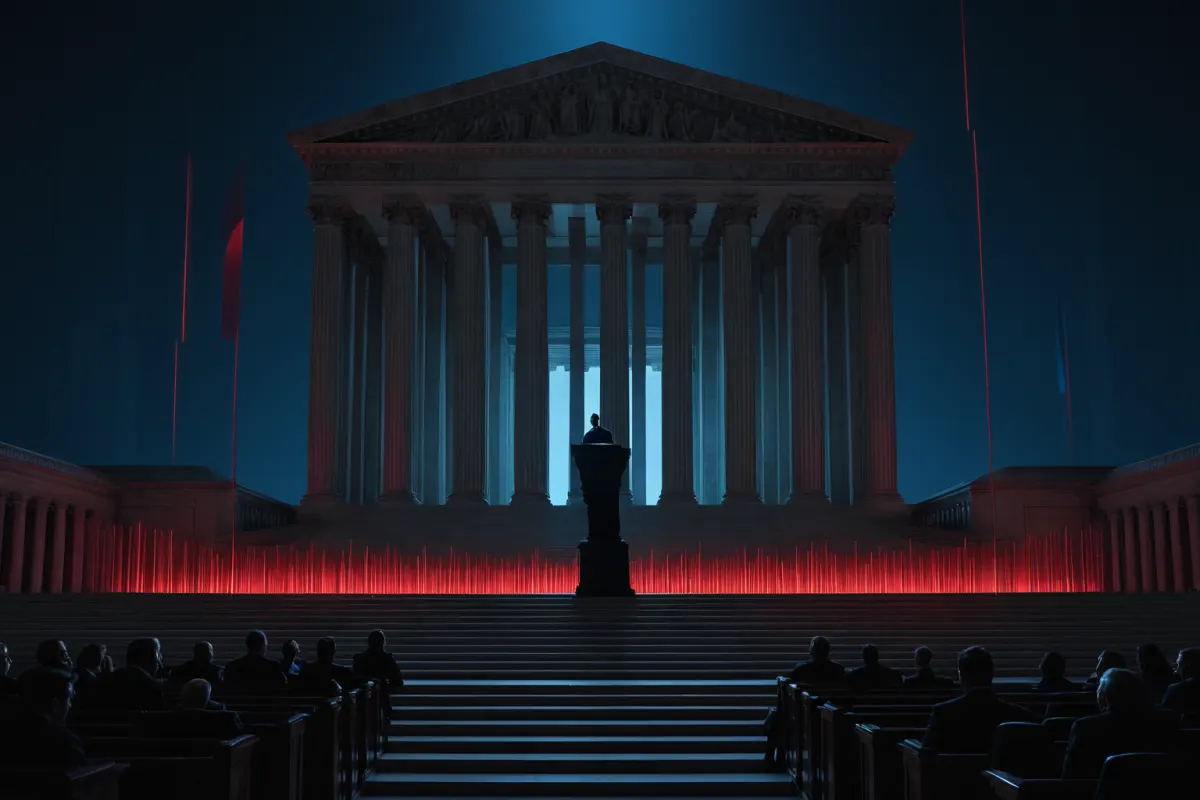
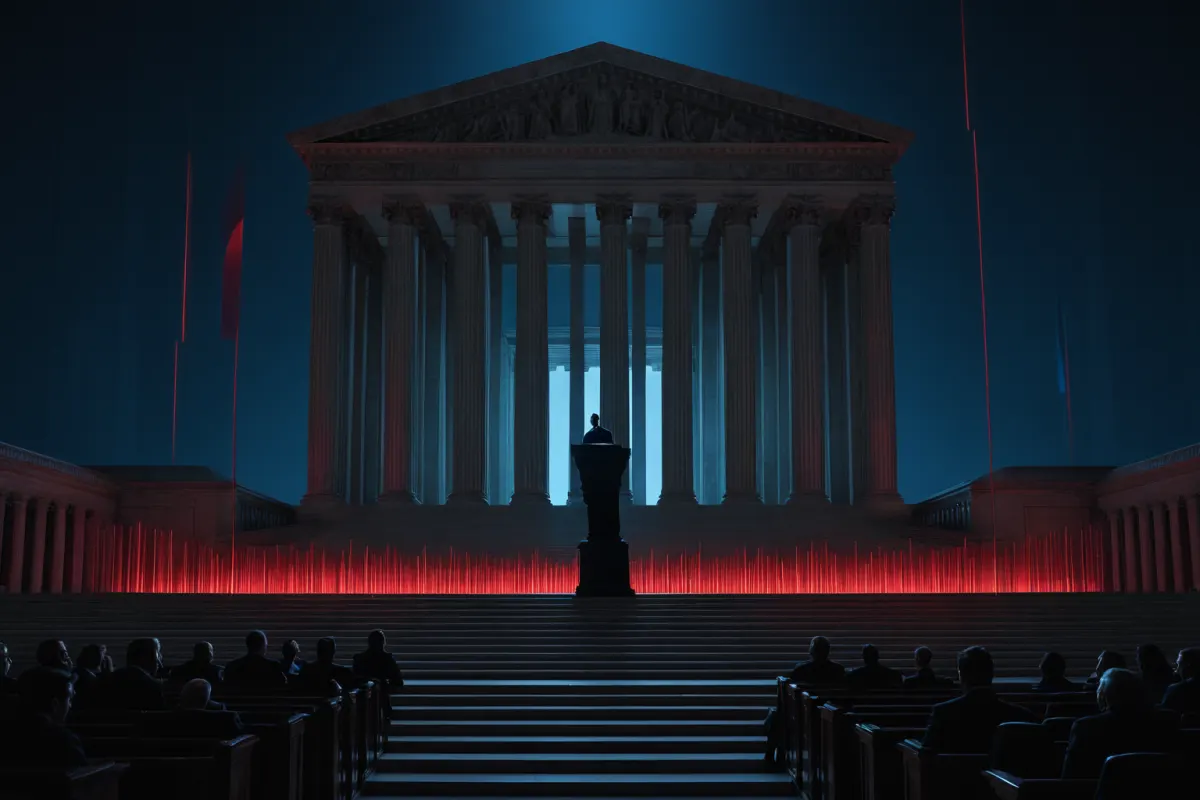
The most significant change after the Supreme Court's treason verdict is how people now assess events: "What criteria should we use to judge this?" Once the court's ruling was announced, attention shifted from the case itself to its broader impact on politics, media, and civil society. So, what people are more curious about today isn't the details of the case but how social attitudes have genuinely changed.
This article will focus on what has changed since the Supreme Court's treason verdict, why reactions remain divided, and what to watch for when consuming news in daily life.
Shifting Social Atmosphere After the Verdict
Social sentiment changes more quickly than expected after a ruling. Previously, speculation and interpretation dominated; now, the focus is on "what the court has actually acknowledged." As a result, there's been a stronger trend toward reading the exact wording of the verdict document rather than relying on political factions' claims.
Online reactions often spread emotionally first, especially in sensitive cases like this one. A single quote can easily distort the overall meaning. In reality, context surrounding key sentences matters more than the quotes themselves, yet misleading snippets often circulate, leading to divided interpretations.
You can find similar articles on this topic in one place.
View Related ArticlesWhy Political Reactions Have Become More Sensitive
The Supreme Court's ruling is interpreted not just as a legal matter but also as a political message. Following the verdict, political factions have intensified arguments over "responsibility" and "legitimacy." Depending on perspective, the same outcome is seen either as restoring order or warning against abuse of power.
In such situations, even a single statement can reignite debate. For example, if one lawmaker says "the judicial decision has been made," supporters may see it as a signal for stability, while opponents might interpret it as "there's nothing left to discuss." The Daebul treason case is a clear example of how political symbolism has intensified.
Key Points to Watch in Media Coverage
In the immediate aftermath of the ruling, articles may look similar at first glance but differ significantly in content. Since different outlets emphasize different aspects, relying only on headlines and opening paragraphs can lead to misunderstandings. It's important to distinguish between the court's reasoning, majority and minority opinions, and what facts the court acknowledged.
For instance, even if a headline mentions "acknowledgment of illegality," it may refer to procedural criticism rather than criminal liability. Missing this distinction makes one vulnerable to being swayed by simplistic claims circulating online. It’s safer to first review which parts of the verdict document are most relevant.

Changes in Everyday Conversation
Such cases don't end with news coverage—they also influence conversations in daily life. After the ruling, more people have found themselves being asked for their views during meetings or gatherings. Reactions vary significantly by generation, region, and political leaning, making discussions prone to becoming sensitive.
For example, one person might say "Let's move on since it's settled," while another says "There are still aspects worth reviewing." Since interpretations of the same event differ, it’s better in conversations to understand what evidence the other person is relying on rather than jumping to conclusions.
Shifting Trust and Perceptions of the Judiciary
The ruling has also raised questions about public trust in the judiciary. Some feel reassured by the court's final decision as a sign of institutional stability, while others question why this case escalated so far. Ultimately, the verdict doesn't just close one case—it shifts how society views the entire system.
What matters most is not whether you agree with the outcome but understanding the process behind it. Even if you disagree with the result, grasping the procedure can reduce emotional strain. Conversely, focusing only on outcomes without considering procedures tends to prolong disputes.
Common Mistakes When Searching for Information
People often miss key context when searching for information about the Daebul treason case. Focusing solely on the verdict makes it seem simple, but in reality, it’s connected to prior investigations, lower court rulings, and political statements. So, chronological order matters more than a single-sentence summary.
When researching, break it down into "verdict summary," "key points of contention," "dissenting opinions," and "public reaction." For example, newcomers might find it better to compare one verdict summary with one article on public response rather than reading multiple articles at once. Overloading on information can create more confusion.
Practical Guidelines for Better Understanding
When analyzing such issues, focus less on sensational language and more on setting clear criteria. First, assess what evidence someone is using rather than who said it. Second, avoid relying solely on summary articles; seek out explanations closer to the original source. Third, separate emotional community reactions from factual information.
For instance, if a headline claims "everything has been reversed," it might only refer to part of the ruling. Conversely, saying "it doesn't matter" could overlook the case's symbolic significance. For sensitive issues like this one, both exaggeration and minimization should be approached with caution.
What to Watch for Next
The verdict won't resolve all ongoing debates. Future political schedules, statements from involved figures, and whether social tensions resurface will remain key points of focus. While a single ruling doesn't instantly shift public opinion, it does change the direction of discussion.
Especially with major cases, evaluations evolve over time. Initially, emotions may dominate, but later, people tend to separate the court's logic from broader societal impact. What we're seeing now is likely part of this transitional phase.
FAQ
Q1. What has been the most significant change in public sentiment after the Supreme Court's treason verdict?
The biggest shift has been toward using the verdict document as the main reference point for interpretation. Previously, speculation was common; now, attention focuses on what the court explicitly acknowledged.
Q2. Why do reactions to the same ruling differ so much?
Different political stances, perspectives on the case, and trusted information sources lead to varying interpretations. The same wording can be read very differently by supporters versus critics.
Q3. What should you check first when reading about such issues?
It's better to look at the verdict summary and key points of contention rather than headlines alone. Checking factual details and procedures alongside emotional reactions helps reduce misunderstandings.
Keep in mind that interpretations and subsequent developments may change over time, so always consider the timing of related coverage as well.
Continue exploring similar topics.
View Category ArticlesFAQ
What has been the most significant change in public sentiment after the Supreme Court's treason verdict?
The biggest shift has been toward using the verdict document as the main reference point for interpretation. Previously, speculation was common; now, attention focuses on what the court explicitly acknowledged.
Why do reactions to the same ruling differ so much?
Different political stances, perspectives on the case, and trusted information sources lead to varying interpretations. The same wording can be read very differently by supporters versus critics.
What should you check first when reading about such issues?
It's better to look at the verdict summary and key points of contention rather than headlines alone. Checking factual details and procedures alongside emotional reactions helps reduce misunderstandings.
Korean Source
This article is an English localization of a Korean-language report from BlogScore. Original: 대법내란사건 판결 이후 사회적 영향, 달라진 분위기