
After Iran's Attack on U.S. Military Facilities: U.S., Iran, and South Korea Responses
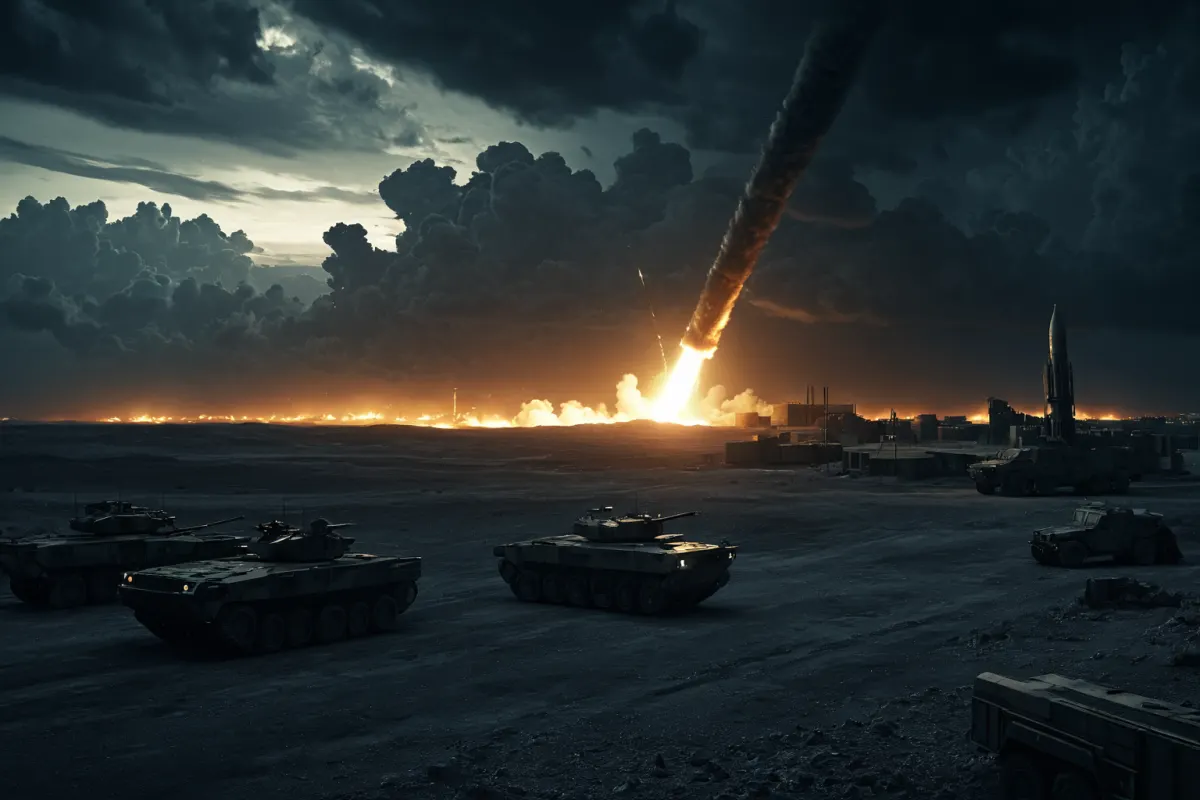
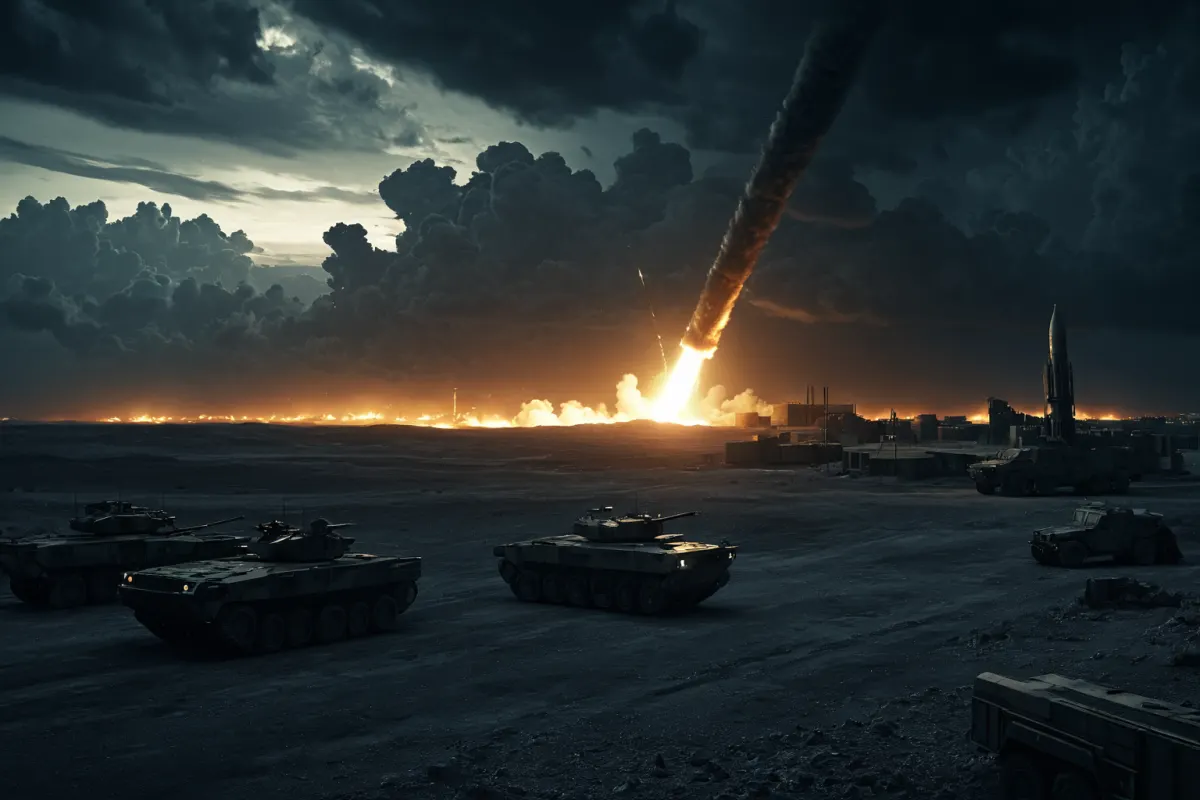
Following Iran's attack on U.S. military facilities, the U.S., Iran, and South Korea have all quickly responded by expressing caution over the possibility of further military escalation. The key issue now is how far retaliation will go and whether additional attacks on U.S. forces and troops stationed in the Middle East will occur.
For South Korea, this isn't just another foreign news story. Fluctuations in oil prices, shipping and logistics disruptions, and potential instability in domestic financial markets could all result from the situation, making it important to understand the context as briefly as possible.
America's First Response: A Message to Prevent Escalation
The U.S. has maintained a tone of avoiding immediate large-scale escalation even after confirming damage to its facilities. However, it has also made clear that it will respond if necessary.
This response isn't just about rhetoric. In practice, it involves reinforcing defensive measures, raising the alert level for troops in the Middle East, and activating diplomatic channels. While appearing restrained on the surface, internal preparations are often moving quickly.
You can view similar articles on this topic all at once.
View Related ArticlesIran's Statement Focuses on Justifying Its Position
Iran typically explains its actions as either 'defensive' or 'retaliatory' in such situations. Rather than direct confrontation with the U.S., it emphasizes the background and justification for specific military actions to manage domestic and international public opinion.
The problem is that this explanation can easily become a starting point for further escalation. If an attack isn't the end, but instead leads to a response from the other side, both sides may find it difficult to back down. Therefore, markets pay closer attention to actual subsequent actions than to the tone of statements.
Shared Concerns of the U.S. and South Korea: U.S. Forces in Korea and Energy Impact
Korea is most concerned about oil prices and shipping risks when Middle East tensions rise. With high dependence on imported crude oil, rising global oil prices directly affect inflation and business costs.
Another key concern is the positioning of U.S. forces in South Korea and regional security dynamics. While South Korea isn't a direct participant in any conflict, adjustments to U.S. strategic asset deployment could lead to heightened sensitivity in border security around the Korean Peninsula. Therefore, diplomatic and security authorities often use phrases like 'closely monitoring' to manage the situation.
Market Reactions: Oil Prices, Exchange Rates, Defense Stocks
Financial markets react quickly to war news. The first movements are typically in global oil prices, followed by dollar strength and won weakness, then defense and energy-related stocks.
For example, if concerns about oil supply increase, refining companies may be affected first, and rising shipping costs could impact airlines and logistics sectors. Conversely, as military tensions rise, defense stocks often see short-term attention.

Key News Points to Watch Right After the Attack
While headlines may seem similar at first glance, there are specific points that need verification. The most important ones are whether the target was an actual U.S. military facility, if casualties occurred, and how the U.S. will respond.
The next point is reactions from Iran's allies in the region. Even without direct attacks, if allied forces interfere with U.S. bases or sea lanes, the situation becomes much more complex. Therefore, 'attack occurrence' is less important than whether additional attacks will follow.
How Ordinary People Feel the Impact: Daily Costs and Travel Plans
Many people feel international affairs are distant, but impacts can be felt quickly. Rising fuel prices, expensive airfares, delayed overseas business trips, or changed travel plans are common examples.
Products with heavy reliance on Middle East transit routes or high maritime transport volumes are especially affected early. For instance, imported food, chemical raw materials, and car parts may see price changes reflected quickly due to shipping cost fluctuations. Therefore, both businesses and consumers should view news not as a simple event but as a variable affecting costs.
Common Misunderstandings About This Situation
First, an attack on military facilities doesn't immediately lead to full-scale war. In reality, warning responses, limited counteractions, and diplomatic mediation can all happen simultaneously.
Second, high-toned statements don't necessarily mean escalation will follow. Sometimes strong diplomatic messages are sent while behind the scenes efforts to ease tensions are underway. So it's important to look at military movements and diplomatic contacts alongside any single statement.
Necessary Checklist for Monitoring the Situation
To quickly keep up with news, just check these four points:
- U.S. response level and scale
- Possibility of additional Iranian attacks
- Status of Middle East sea routes and oil supply disruptions
- Immediate changes in global oil prices and exchange rates
Checking just these four points can help avoid being swayed by headlines while understanding the flow. In particular, oil prices and exchange rates connect most quickly to daily life in Korea, making them highly noticeable.
FAQ
Q1. What should be watched first after Iran's attack on U.S. military facilities?
A. The level of U.S. retaliation and the possibility of additional Iranian attacks. These two factors practically determine escalation potential.
Q2. Will this directly affect South Korea's economy?
A. Not a direct hit, but impacts can quickly spread through oil prices, exchange rates, and shipping costs.
Q3. Is there a chance this situation will last for a long time?
A. Yes. Even if military clashes end quickly, prolonged tension can continue to burden markets and diplomacy.
Given that Middle East tensions can change rapidly from day to day, it's best to check the latest reports alongside diplomatic and security announcements.
Continue to check out similar articles on this topic.
View Category ArticlesFAQ
Q1. What should be watched first after Iran's attack on U.S. military facilities?
The level of U.S. retaliation and the possibility of additional Iranian attacks. These two factors practically determine escalation potential.
Q2. Will this directly affect South Korea's economy?
Not a direct hit, but impacts can quickly spread through oil prices, exchange rates, and shipping costs.
Q3. Is there a chance this situation will last for a long time?
Yes. Even if military clashes end quickly, prolonged tension can continue to burden markets and diplomacy.
Korean Source
This article is an English localization of a Korean-language report from BlogScore. Original: 이란 미군시설 타격 이후 한미·이란 반응 정리