
After the Daejeon Dun-san-dong Apartment Fire: How Residents Should Respond
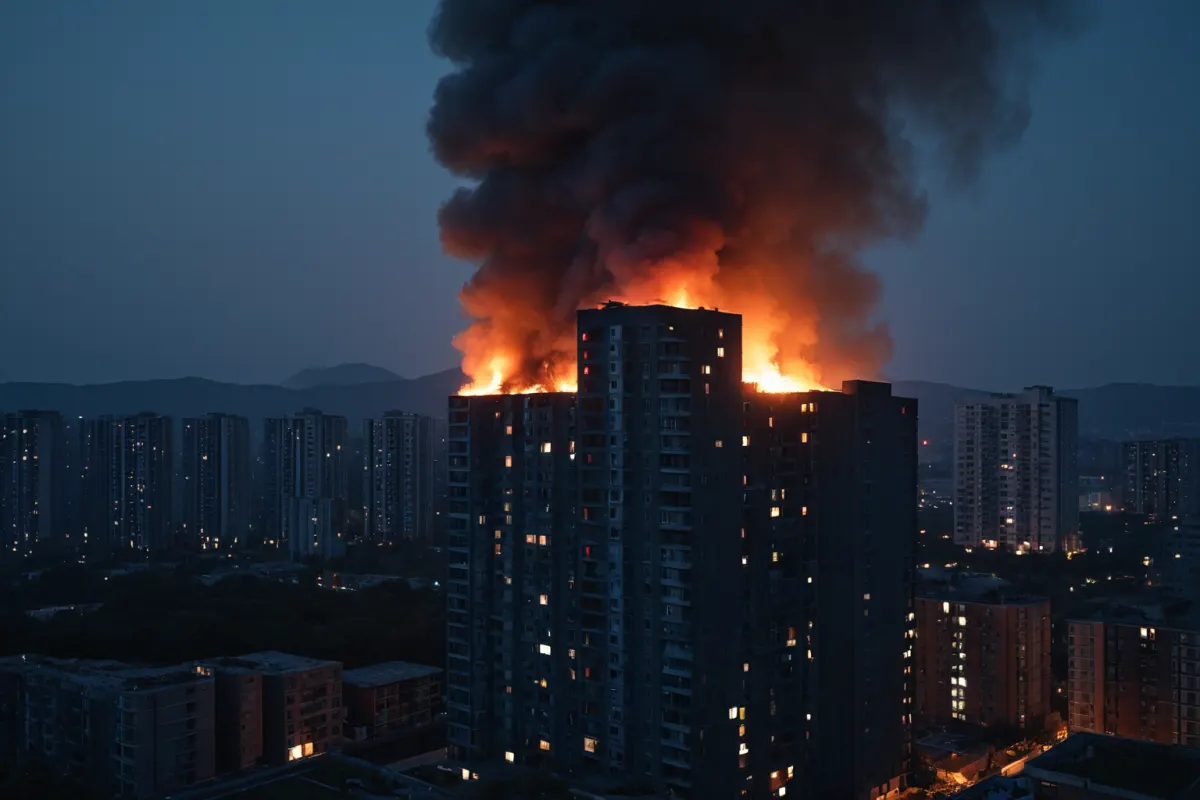
After the fire at Daejeon Dun-san-dong Apartment, residents should first check evacuation status, extent of damage, and management office announcements. In urgent situations, on-site guidance is more important than rumors, and entering units before safety is confirmed is not recommended.
Especially if smoke damage occurred, even after visible flames are extinguished, it's crucial to verify whether electrical systems, gas lines, and ventilation are functioning properly. Management office announcements aren't just notices—they provide immediate practical information like when entry is allowed, power restoration, elevator use, and parking lot restrictions, so residents should pay close attention.
What Residents Should Check Right After a Fire
After a fire breaks out, the first step should be to confirm whether your unit is safe and if evacuation is necessary. If smoke lingers in hallways or alarms continue sounding, avoid moving hastily—follow announcements from the management office or instructions from firefighters.
When exiting your unit, stairs are safer than elevators. In cases where electrical or gas shut-offs may be needed, it's best to listen first to guidance from the management office or on-site staff for safety reasons.
For example, if heavy smoke remains in hallways, don't immediately open doors upon exit—check door edges with your palm to see if they're hot before opening. If heat is detected, stay near the entrance and request assistance instead of risking movement into unsafe areas.
You can view similar articles on this topic in one place.
View Related ArticlesKey Information to Verify from the Management Office
Management office announcements typically cover entry restrictions, elevator availability, power and water restoration timelines, parking lot controls, and unit inspection schedules. These directly impact daily life, so it's advisable to note them down immediately after hearing them via text or broadcast.
Especially post-fire, simply being told "under repair" isn't enough. It's important to clarify which buildings, lines, or units are affected, whether outsiders can enter, and if odor removal and ventilation work are ongoing to avoid confusion.
If management delays announcements, residents should proactively ask about unit inspection schedules, whether photos of damages can be taken, and if certificates for insurance claims will be provided. Getting this information early helps prevent complications later.
Critical Documentation After a Fire
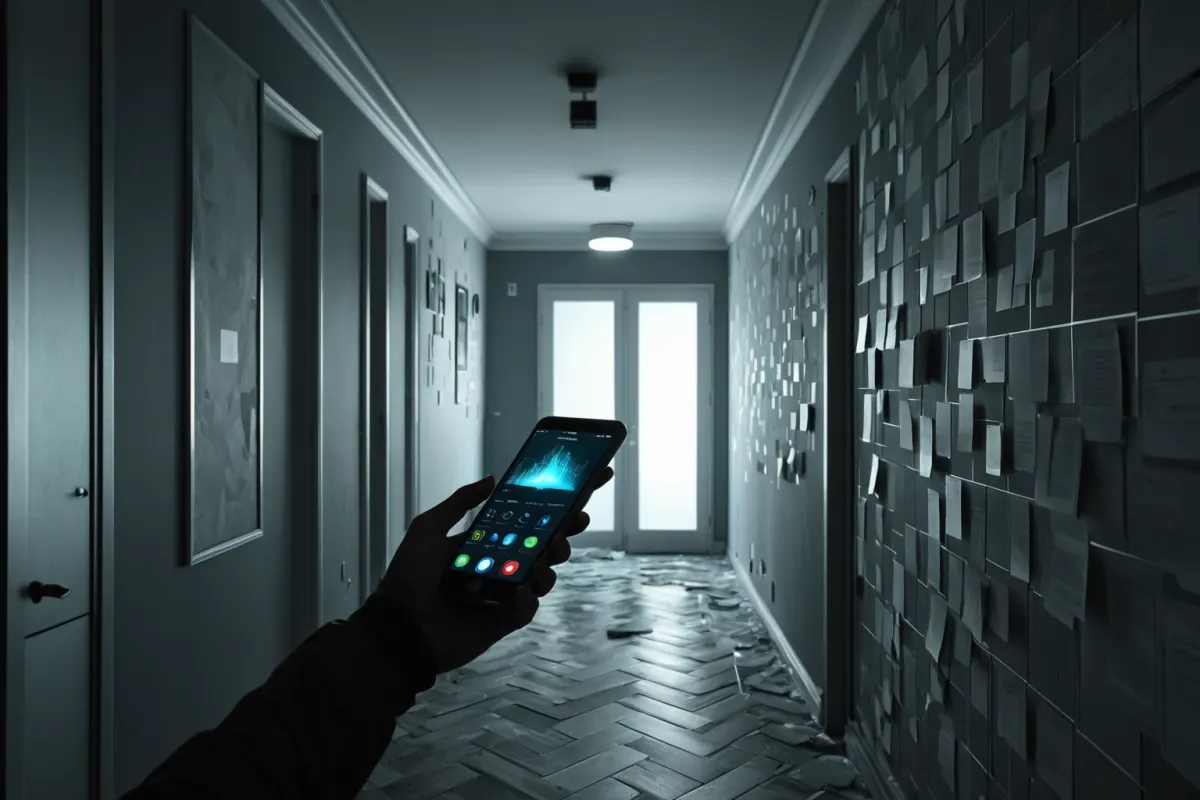
To minimize disputes after a fire, thoroughly document all damage with photos covering the entire interior of the unit—doors, windows, ceilings, walls, appliances, floors, and balconies. Taking wide shots ensures comprehensive coverage.
Simply taking photos isn't sufficient; add brief notes during shooting for clarity later. For instance: "Living room ceiling smoke marks," "Bedroom window heat distortion," or "Kitchen exhaust soot." These details make insurance claims and communication with management much smoother.
Do not discard damaged items immediately. Even if they seem unusable due to smell or damage, keep them until repair possibilities or compensation scope are confirmed—photographing and preserving these items helps avoid future issues.
Common Oversights in Insurance and Restoration
Apartments fires can involve personal insurance, unit-specific responsibility, and shared area liability, making it difficult to assign blame immediately. Therefore, the safest approach is to first inform management of the damage, then contact your insurance company for a claim number.
In reality, determining "what part is my responsibility" or "whether common areas were affected" becomes key. For example, electrical damage from wiring issues might need separate verification beyond interior unit problems, while damaged hallways or staircases require management inspection.
During restoration, odor removal often gets prioritized over identifying the root cause. Electrical switches, outlets, distribution panels, and internal ceilings may appear fine but still harbor hidden risks—always inspect these before using them again.
Things to Avoid in Resident Group Chats
Immediately after a fire, group chats spread information quickly—but unverified rumors can circulate too. Phrases like "someone made a mistake" or "all units are at risk" should be paused until confirmed by the management office or firefighting/police authorities.
While sharing photos in group chats can help, posting interior unit photos without consent from affected residents may lead to disputes. Stick to sharing only verified information: "Entry allowed after 3 PM," "Elevator unavailable," or "Parking lot partially restricted." Avoid making definitive statements about who did what, as this can escalate issues later.
Preparing for Daily Life After a Fire
After a fire, immediate needs like sleeping and eating may be disrupted. Heavy smoke odor might not clear just by opening windows, so check air purifiers or ventilation availability and consider temporary accommodations if needed.
Families with children, elderly members, or pets should act more quickly. Smoke odor and dust can strain breathing—so if staying long-term is difficult, securing a temporary stay at relatives' homes might be the practical solution.
For example, some units had no major fire but suffered from hallway smoke causing strong odors. In such cases, don't just assume everything looks fine; check whether bedding and clothing are washable and if odors have penetrated before resuming normal life.
Last Checks Before Re-entering
Before re-entering a unit, verify electrical systems, gas lines, leaks, ventilation, and door/window functionality. Units with soot around outlets or tripped circuit breakers may look normal but still require internal inspection.
Even if odors are gone, safety isn't guaranteed—check for hidden soot behind walls or in ceilings, melted materials, or moisture issues to prevent future discomfort.
If the management office declares restoration complete, don't take it at face value. Inspect your unit and surrounding common areas yourself; photograph any abnormalities immediately and follow up if problems are found to avoid responsibility disputes later.
FAQ
Q1. Can residents enter their units right after the Daejeon Dun-san-dong Apartment fire?
A. No, entering before official entry permission is granted is unsafe. Smoke residue, electrical hazards, or structural damage may still exist; always follow management office and on-site instructions.
Q2. What should residents do if the management office delays announcements?
A. Check texts, broadcasts, and posted notices together, and proactively ask for necessary details like entry permissions, power restoration, and damage assessment schedules. Taking notes will help avoid confusion later.
Q3. How detailed should photos of fire damage be?
A. Take wide shots covering the entire unit and specific areas showing damage—include close-ups too. Document soot marks, heat distortion, and odors on items to aid insurance claims and restoration discussions.
Fire-related updates and restoration schedules may change based on site conditions; always check the latest announcements from management office and relevant authorities for accurate information.
Continue exploring similar topics.
View Category ArticlesFAQ
Can residents enter their units right after the Daejeon Dun-san-dong Apartment fire?
No, entering before official entry permission is granted is unsafe. Smoke residue, electrical hazards, or structural damage may still exist; always follow management office and on-site instructions.
What should residents do if the management office delays announcements?
Check texts, broadcasts, and posted notices together, and proactively ask for necessary details like entry permissions, power restoration, and damage assessment schedules. Taking notes will help avoid confusion later.
How detailed should photos of fire damage be?
Take wide shots covering the entire unit and specific areas showing damage—include close-ups too. Document soot marks, heat distortion, and odors on items to aid insurance claims and restoration discussions.
Korean Source
This article is an English localization of a Korean-language report from BlogScore. Original: 대전둔산동아파트 화재 후 입주민 대응, 관리사무소 안내는?