
Administrative Safety Ministry Raises Crisis Alert Level Amid Heatwaves and Heavy Rains
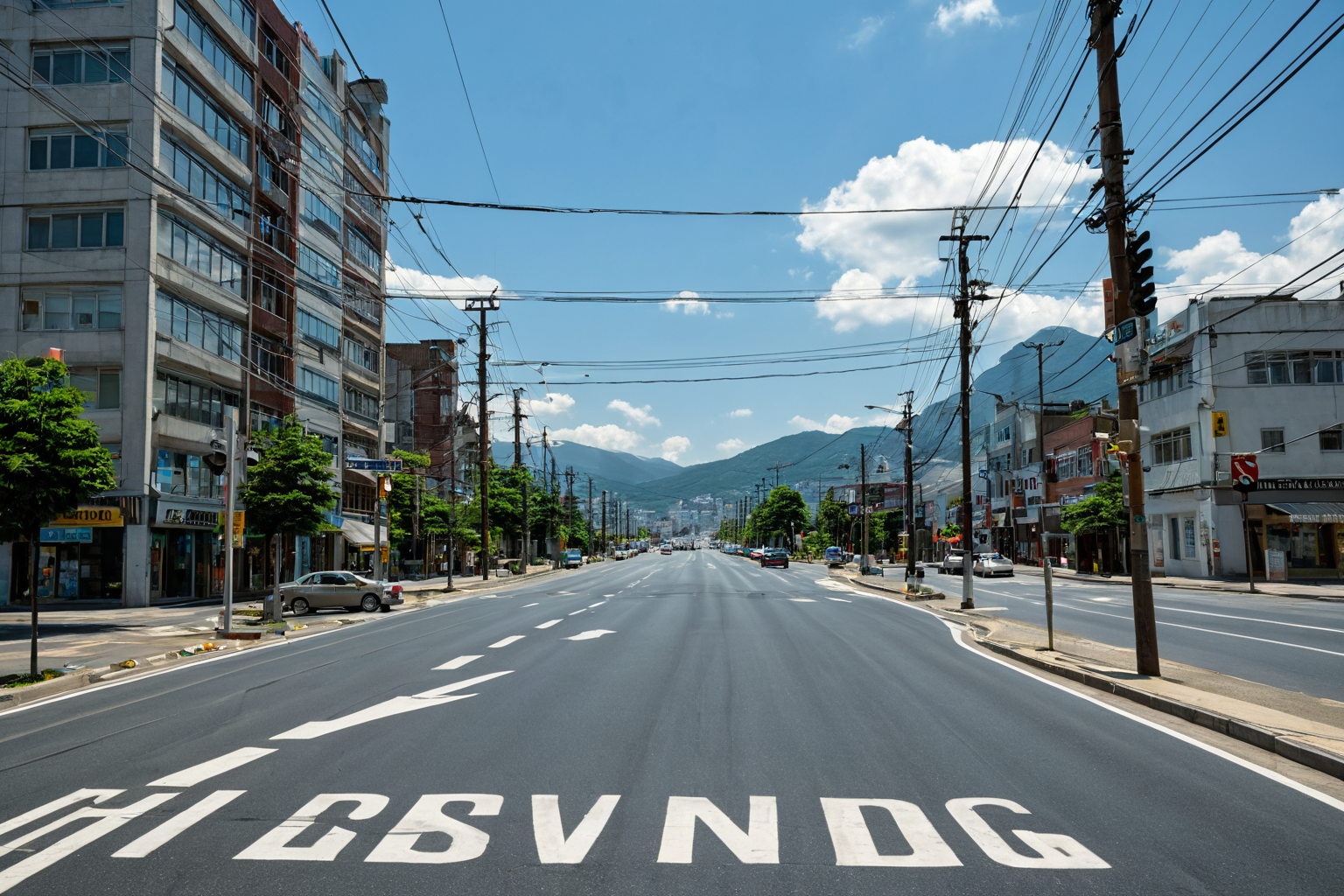
Rising Crisis Alerts for Heatwaves and Heavy Rains
The Ministry of the Interior and Safety has raised the heatwave crisis alert to the 'Watch' level, while heavy rain warnings have been issued in regions including Jeonnam, Gwangju, Ulsan, Jeonbuk, and Gyeongbuk. The Central Disaster and Safety Countermeasure Headquarters has activated its Level 1 response. A separate 'Watch' level upgrade for earthquake-related crisis alerts following a tremor in Haenam was implemented, though no damage has been reported.
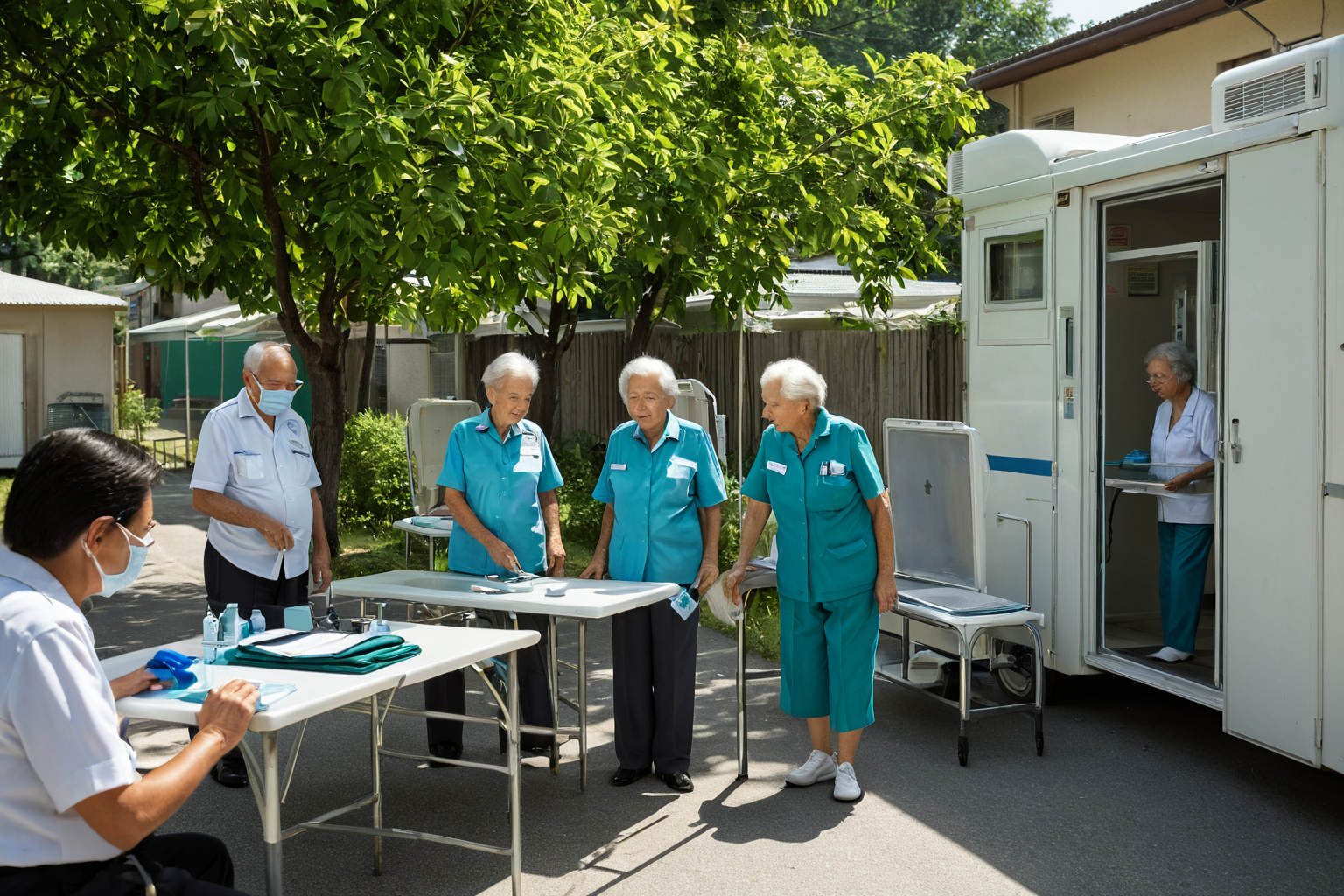
Reasons Behind the Crisis Alert Upgrade
The Ministry raised the heatwave alert to 'Watch' on July 10 after record-breaking temperatures persisted nationwide, necessitating enhanced protection for vulnerable groups and improved response systems. Concurrently, heavy rain warnings were issued in southern regions, prompting a crisis alert upgrade to 'Caution' level.
The Ministry has activated the Central Disaster and Safety Countermeasure Headquarters for comprehensive inter-agency efforts, with particular focus on checking on vulnerable populations and implementing control measures. During the 'Watch' heatwave level, regular check-ins with vulnerable groups are recommended, while severe heat conditions require the 'Stop! Move! Check!' protocol.
Heavy Rain Warnings and Headquarters Activation
Heavy rain warnings have been issued for Jeonnam, Gwangju, Ulsan, Jeonbuk, and Gyeongbuk areas, triggering a Level 1 activation of the Central Disaster and Safety Countermeasure Headquarters. As reported as of August 30, this could lead to flooding and traffic congestion due to heavy rainfall.
Administrative information system disaster alerts have been downgraded from 'Caution' level, with full restoration expected by year-end. This follows an announcement on November 18, 2025, indicating additional measures are needed for the system's normal operation.
Knowing natural disaster response protocols during heavy rains is critical to saving lives, as emphasized by the Ministry. Additionally, heatstroke-related deaths have totaled 267 over 15 years, with more than half involving elderly individuals.
Historical Context of Heatwaves and Heavy Rains
The Ministry's decision to raise the heatwave alert to 'Watch' on July 10 reflects ongoing nationwide record-breaking temperatures requiring enhanced protection for vulnerable groups. The crisis alert was simultaneously upgraded to 'Caution' due to heavy rain warnings in southern regions.
Historically, similar alerts have been raised during extreme weather events. For example, on August 15-16, 2026, heavy rains prompted the Ministry to raise the flood crisis alert to 'Caution' level across southern areas. At the same time, heavy rainfall in metropolitan and central regions led to a 'Watch' level upgrade for the Central Disaster and Safety Countermeasure Headquarters.
On June 29, 2026, heatwave warnings were issued nationwide across 24 locations, prompting the Ministry to raise the crisis alert to 'Caution' level. This reflected the need for strengthened disaster response systems amid prolonged heatwaves.
The 'Caution' level was also applied during a cold wave disaster in January 2026, when the Ministry raised the crisis alert on January 19 after severe cold temperatures affected northern regions.
Protecting Vulnerable Groups and Response Strategies
During the heatwave 'Watch' level, regular check-ins with vulnerable populations are recommended. In severe conditions, the 'Stop! Move! Check!' protocol must be followed to minimize health risks from extreme heat.
The Ministry has activated Level 1 response for the Central Disaster and Safety Countermeasure Headquarters amid heavy rain warnings in Daejeon, Chungnam, Jeonbuk, and Gyeongbuk. Residents are urged to follow safety measures, particularly knowing natural disaster protocols during heavy rains to save lives.
Heatstroke-related deaths have totaled 267 over the past 15 years, with more than half involving elderly individuals. This underscores the critical importance of protecting older adults during heatwaves.
Community-based civil defense drills are also being conducted. For example, in Goyang's Gaeha-dong, resident-led civil defense training is strengthening disaster response capabilities.
Key Information to Note
The Ministry raised the heatwave crisis alert to 'Watch' on July 10 due to ongoing nationwide record-breaking temperatures requiring enhanced protection for vulnerable groups. The crisis alert was simultaneously upgraded to 'Caution' following expanded heavy rain warnings in southern regions.
Level 1 activation of the Central Disaster and Safety Countermeasure Headquarters corresponds with heavy rain warnings in Jeonnam, Gwangju, Ulsan, Jeonbuk, and Gyeongbuk areas. Flooding and traffic congestion are expected due to heavy rainfall. The 'Caution' level upgrade for earthquake-related alerts following a Haenam tremor on August 23 was implemented without reported damage.
Administrative information system disaster alerts have been downgraded from 'Caution', with full restoration planned by year-end. This follows an announcement on November 18, 2025, indicating additional measures are required for the system's normal operation.
Frequently Asked Questions
What specific measures should be taken to protect vulnerable groups during a heatwave 'Watch' level?
During the heatwave 'Watch' level, regular check-ins with vulnerable populations are recommended. Particular attention should be given to elderly individuals and those with pre-existing health conditions, requiring routine health checks and necessary protective measures.
What natural disaster response protocols should be followed during heavy rain?
During heavy rainfall, the 'Stop! Move! Check!' protocol is essential. This means halting activities in dangerous areas, moving to a safe location, and then checking the surrounding conditions.
What are the statistics on heatstroke-related deaths?
Heatstroke-related deaths have totaled 267 over the past 15 years, with more than half involving elderly individuals. This highlights the critical need for protecting older adults during extreme heat events.
Frequently Asked Questions
The Ministry of the Interior and Safety has raised crisis alert levels for heatwaves and heavy rains to strengthen response systems. During the heatwave 'Watch' level, regular check-ins with vulnerable groups are recommended, while severe conditions require the 'Stop! Move! Check!' protocol. Heavy rain warnings have activated Level 1 at the Central Disaster and Safety Countermeasure Headquarters, and an earthquake-related alert was raised to 'Caution' without damage in Haenam.
Cooperation between government and local communities is crucial for preparing for ongoing heatwaves and heavy rains. Protecting vulnerable groups and knowing disaster response protocols can save lives. The planned restoration of the administrative information system's disaster alerts also warrants attention.
You can view similar articles on this topic in one place.
View Related ArticlesFAQ
What specific measures should be taken to protect vulnerable groups during a heatwave 'Watch' level?
During the heatwave 'Watch' level, regular check-ins with vulnerable populations are recommended. Particular attention should be given to elderly individuals and those with pre-existing health conditions, requiring routine health checks and necessary protective measures.
What natural disaster response protocols should be followed during heavy rain?
During heavy rainfall, the 'Stop! Move! Check!' protocol is essential. This means halting activities in dangerous areas, moving to a safe location, and then checking the surrounding conditions.
What are the statistics on heatstroke-related deaths?
Heatstroke-related deaths have totaled 267 over the past 15 years, with more than half involving elderly individuals. This highlights the critical need for protecting older adults during extreme heat events.
Korean Source
This article is an English localization of a Korean-language report from BlogScore. Original: 행안부 위기경보 상향, 현재 단계와 대처 방법