
Acetyl Hexapeptide vs Botox: Key Differences and Effect Comparison
Key Takeaways
Acetyl Hexapeptide's Composition and Skin Mechanism
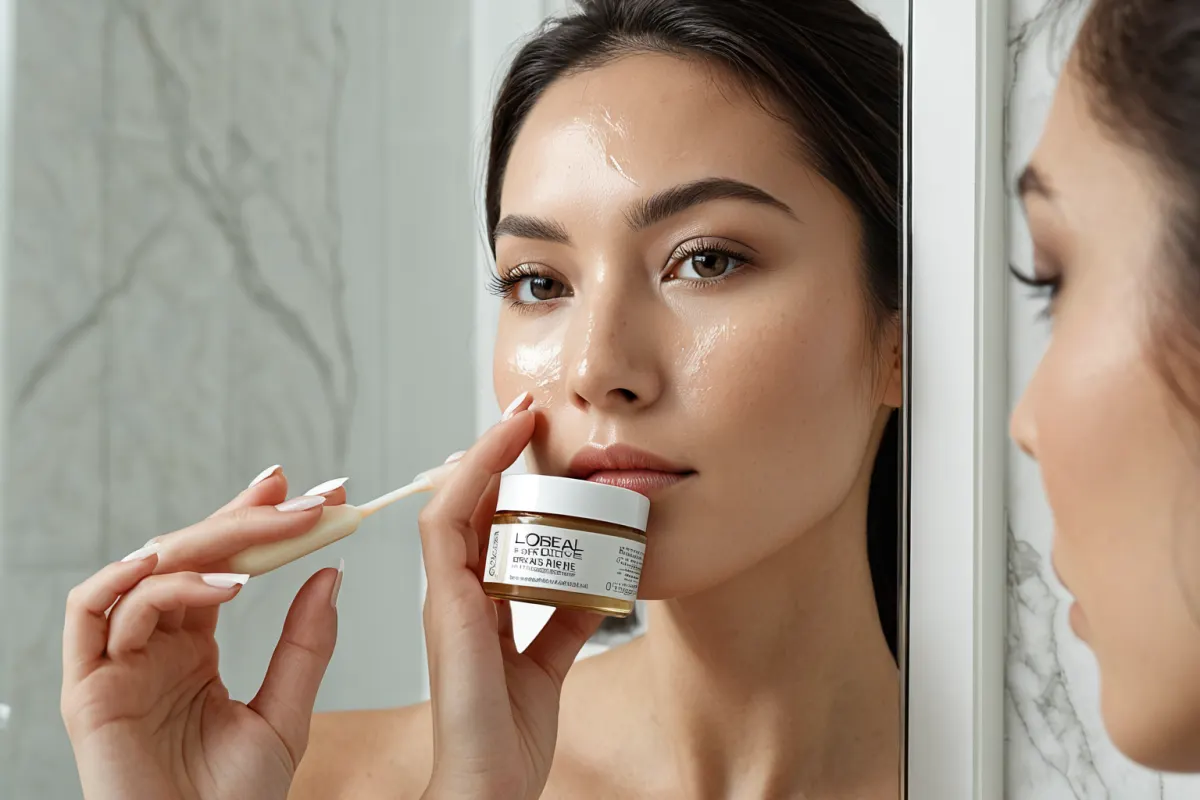
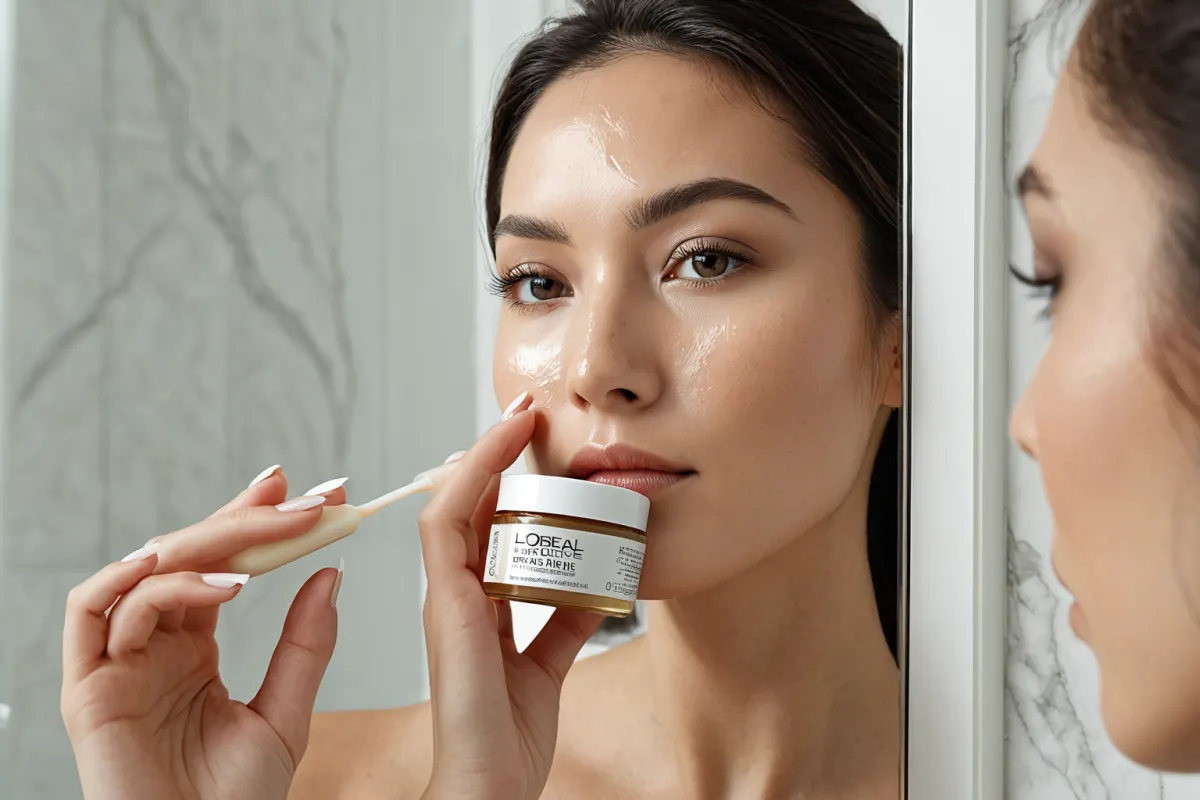
Acetyl hexapeptide is a peptide composed of six amino acids that regulates cell signaling on the skin's surface. Primarily applied to areas like the eye and nasolabial folds, it stimulates collagen production during the skin regeneration process. Unlike Botox, which inhibits neurotransmitter release, acetyl hexapeptide works by enhancing the skin’s natural recovery ability. Studies show that using products containing acetyl hexapeptide for two weeks can reduce wrinkle depth by approximately 15–20%, as confirmed in clinical trials of L'Oréal's peptide eye cream.
Origin of the 'Topical Botox' Nickname and Market Popularity
The nickname 'topical Botox' for acetyl hexapeptide comes from its similar wrinkle-reducing effects compared to Botox injections. However, this is a marketing term that may overstate its effectiveness. Research indicates that acetyl hexapeptide’s wrinkle improvement is milder than Botox and mainly targets fine lines. The peptide skincare market is projected to grow to $387.7 million by 2033, with products containing acetyl hexapeptide gaining steady traction. In China, stricter regulations on centella extract and high-performance peptides are expected to drive more structured growth in the industry.
L'Oréal's Clinical Trial Results and Consumer Response
L'Oréal’s peptide eye cream received clinical validation for reducing under-eye wrinkles after two weeks of use, as reported on March 8, 2019. In its own trial involving 50 participants, about 78% saw a reduction in wrinkle depth. Additionally, L'Oréal’s peptide wrinkle cream was selected by GET IT BEAUTY for its nasolabial fold improvement in 2019 and received further recognition in a June 8, 2021 press release. These results contributed to the brand earning the nickname 'topical Botox,' leading to significant popularity as a wrinkle-reduction product.
Direct Comparison: Acetyl Hexapeptide vs Botox
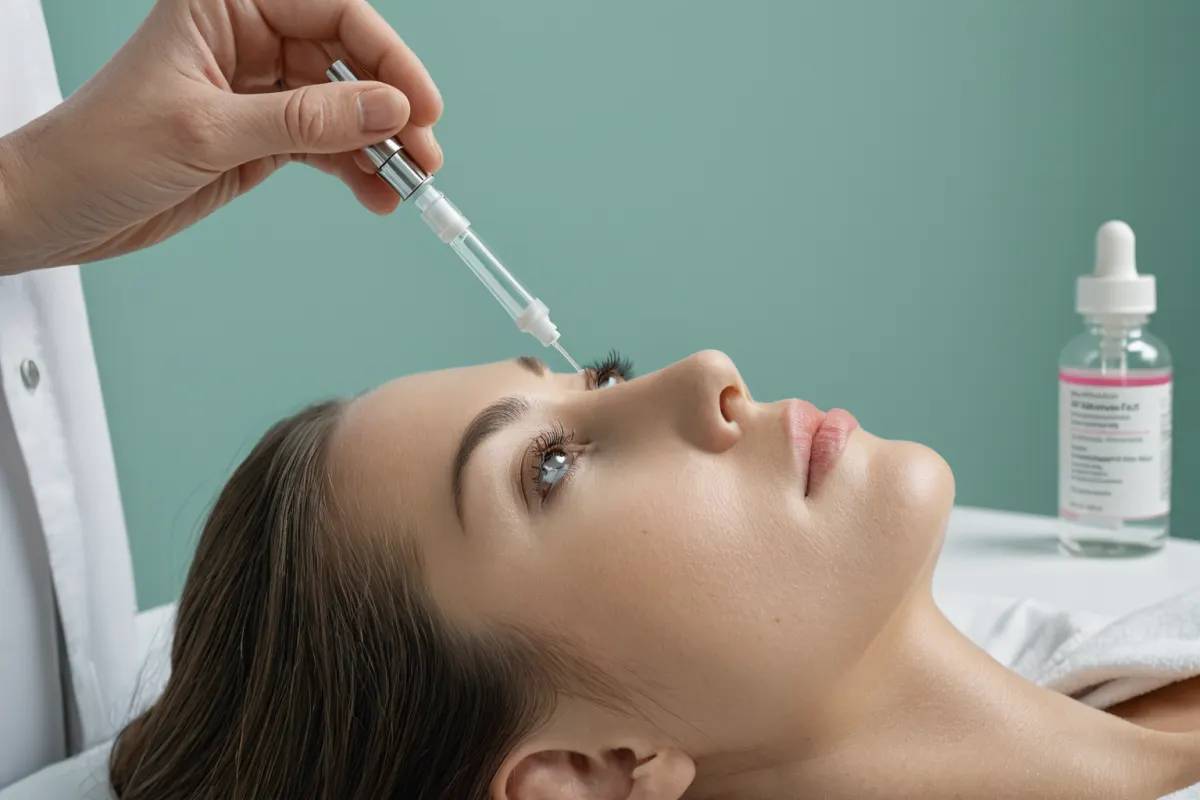
Acetyl hexapeptide is an external topical ingredient, while Botox is injected directly into deeper skin layers. Acetyl hexapeptide focuses on mild wrinkle improvement, whereas Botox is more effective for deep wrinkles and expression lines. In terms of safety, acetyl hexapeptide has lower risk as a topical product, while Botox requires professional administration and may cause pain or swelling at the injection site. Usage-wise, acetyl hexapeptide can be applied daily in the morning and evening, whereas Botox treatments are needed every 3–6 months.
Market Growth Drivers for Peptide Skincare
The peptide skincare market has seen significant growth since 2023, with more products featuring peptide ingredients. Meditox increased research credibility by publishing the skin-improving effects of its neuroderma cosmetic 'Neuradom' in an SCI-level academic journal. Dae-bong LS is focusing on introducing its Rubrizol peptide products from June 2024 to expand market share. In China, stricter regulations on centella extract and high-performance peptides are expected to spur more active research into the stability and efficacy of peptide ingredients.
What to Check: Proper Usage for Maximum Effect
To maximize acetyl hexapeptide’s effectiveness, maintaining proper hydration before absorption is key. The skin around the eyes and nasolabial folds is thin and absorbs quickly, so gently patting it in after application for 2–3 minutes is recommended. Since acetyl hexapeptide is sensitive to UV exposure, using sunscreen during the day and applying the product at night are advised. Brands like L'Oréal that publish clinical trial results should be considered when selecting products.
Upcoming Events and Research Trends
The competition in the peptide skincare market is expected to intensify from 2024 to 2026. In 2025, more products combining acetyl hexapeptide with other peptides will likely launch. A global report on the peptide synthesis market size scheduled for August 17, 2026, will provide further insights. By 2033, the global peptide synthesis market in cosmetics is projected to reach $387.7 million.
FAQ
Is acetyl hexapeptide more effective than Botox?
Acetyl hexapeptide is effective for mild wrinkles but less so compared to Botox, which is better suited for deeper wrinkles. Acetyl hexapeptide has a lower risk of side effects as a topical product but offers shorter-lasting results.
When should I use acetyl hexapeptide products?
For optimal absorption, apply acetyl hexapeptide when the skin is well-hydrated. Gently pat it into delicate areas like around the eyes and nasolabial folds for 2–3 minutes after application. Always pair with sunscreen during the day to protect against UV exposure.
How does acetyl hexapeptide differ from other peptide ingredients?
Acetyl hexapeptide targets under-eye and nasolabial wrinkles, while other peptides focus on collagen production or skin elasticity. For example, low-molecular-weight collagen helps maintain surface moisture, and PDRN promotes skin regeneration.
Find similar articles in one place.
View Related ArticlesFAQ
Is acetyl hexapeptide more effective than Botox?
Acetyl hexapeptide is effective for mild wrinkles but less so compared to Botox, which is better suited for deeper wrinkles. Acetyl hexapeptide has a lower risk of side effects as a topical product but offers shorter-lasting results.
When should I use acetyl hexapeptide products?
For optimal absorption, apply acetyl hexapeptide when the skin is well-hydrated. Gently pat it into delicate areas like around the eyes and nasolabial folds for 2–3 minutes after application. Always pair with sunscreen during the day to protect against UV exposure.
How does acetyl hexapeptide differ from other peptide ingredients?
Acetyl hexapeptide targets under-eye and nasolabial wrinkles, while other peptides focus on collagen production or skin elasticity. For example, low-molecular-weight collagen helps maintain surface moisture, and PDRN promotes skin regeneration.
Korean Source
This article is an English localization of a Korean-language report from BlogScore. Original: 아세틸헥사펩타이드 vs 보톡스, 차이점과 효과 비교