
919 Climate Justice March: Demanding Concrete Solutions to Environmental Issues
Overview of the 919 Climate Justice March
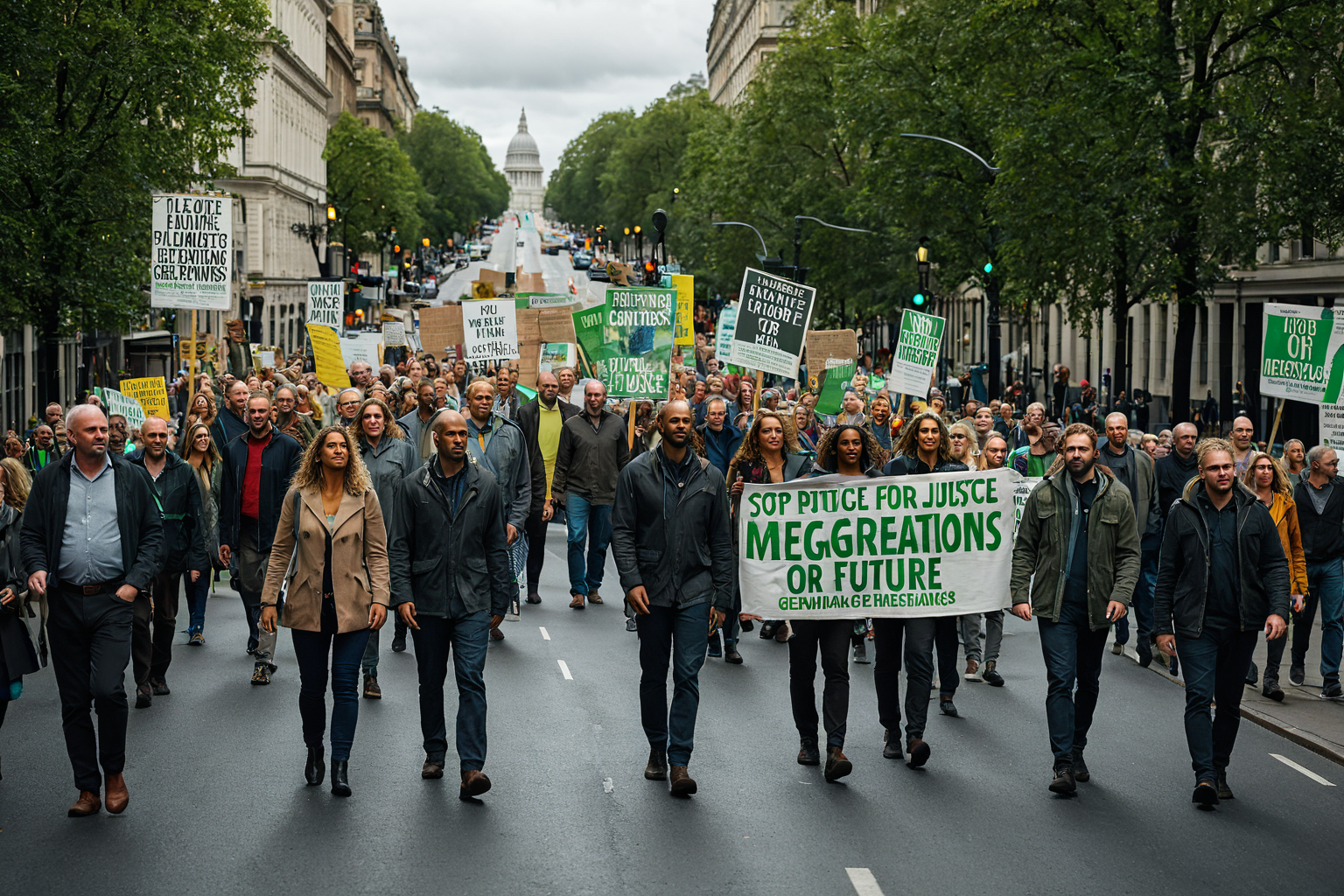
The '919 Climate Justice March,' held nationwide on September 19, 2026, was a citizen movement addressing climate crisis response. Starting from Gwanghwamun in Seoul and extending to Jeju Island, the march focused on halting AI development projects, Saemangeum reclamation, large-scale semiconductor investments, and new nuclear power plant construction including SMRs (Small Modular Reactors). Buddhist groups and civil society organizations joined forces to deliver the message: 'Do not pass the burden of climate crisis to future generations.'
Main Demands and Participants
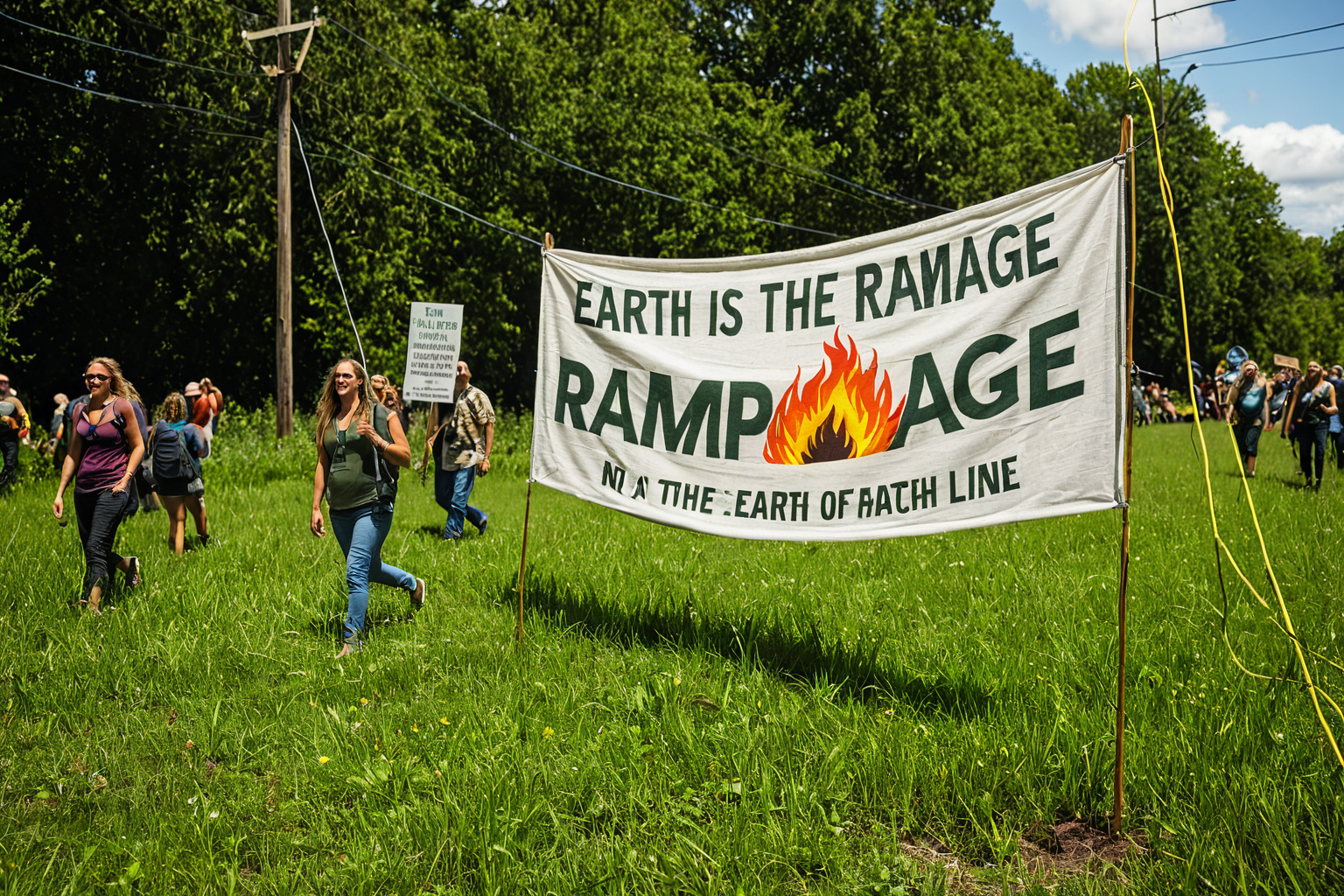
The 919 Climate Justice March took place across 17 regions nationwide, with participation from citizens, farmers, and youth groups demanding an end to megaprojects and curbing development frenzy. Farmers viewed farmland and water as sources of life rather than for development, urging policies to protect agriculture and rural communities. Youth participants chanted slogans like 'Stop the wildfire of reckless growth' calling for climate crisis solutions.
Residents from Incheon gathered in Seoul demanding an end to three major megaprojects, while in Cheonan, the slogan 'End Power Colonialism' was used. The march included performance guides and installations, alongside a Christian Climate Justice Joint Worship service organized by Christian groups.
Preparatory Activities Before and After the March
On September 15, a policy discussion forum titled 'Establishing Worker Participation Governance for Climate Justice' was held to explore multi-faceted approaches. On September 17, the document 'All About Citizen Participation in the 9.19 Climate Justice March' was released, and on September 18, an event introducing performance guides and march installations took place.
Environmental groups like Green Korea United and related organizations promoted citizen participation through pre-event booths and volunteer recruitment, urging climate justice with the slogan 'Stop the wildfire of reckless growth.' On September 19, the march was accompanied by a Christian Climate Justice Joint Worship service.
The March's Content and Message
Starting in Seoul, the march extended to Jeju Island. Participants chanted slogans such as 'End Megaprojects' and 'Evaluate Development, Growth, and Climate Crisis Measures Together.' The nationwide march across 17 regions involved participation from citizen, farmer, and youth groups demanding an end to forced regional sacrifices, protection of farmland and water resources, and concrete climate crisis solutions.
In Cheonan, the slogan 'End Power Colonialism' was used, referring to ending power colonialism. Organized by Green Korea United and civil society groups, the march called for energy justice and an end to power colonialism.
Historical Significance of the March
The 919 Climate Justice March marked the first large-scale nationwide citizen movement addressing climate crisis response. Key issues such as AI development projects, Saemangeum reclamation, semiconductor investments, and new nuclear power plant construction are directly related to climate justice.
Buddhist groups and civil society organizations jointly delivered the message 'Do not pass the burden of climate crisis to future generations,' a core message in the climate justice movement. The march began at Gwanghwamun in Seoul on September 19, 2026, and extended all the way to Jeju Island.
The march, held alongside a Christian Climate Justice Joint Worship service, demonstrated religious groups' involvement, showing how climate justice is expanding across society. The forum on establishing worker participation governance explored multi-faceted approaches to climate justice.
Key Events Before and After the March
On September 4, the '919 Jeju Climate Justice March' was announced, signaling the start of the nationwide event extending to Jeju Island.
The forum on establishing worker participation governance held on September 15 aimed to explore multi-faceted approaches to climate justice. On September 17, the release of 'All About Citizen Participation in the 9.19 Climate Justice March' took place, and on September 18, an event introducing performance guides and march installations was conducted.
September 19 was the main day of the march, starting from Gwanghwamun in Seoul to Jeju Island, with a Christian Climate Justice Joint Worship service held simultaneously. Citizens from Incheon also gathered in Seoul to join the climate justice march.
Potential for Future Climate Justice Movement
The 919 Climate Justice March is expected to continue as an ongoing citizen movement addressing climate crisis response. Key issues such as AI development, Saemangeum reclamation, semiconductor investments, and new nuclear power plant construction will remain central to the climate justice debate.
Participation from farmers and youth groups shows how climate justice movements are expanding across society, with this trend expected to continue. The march held alongside a Christian Climate Justice Joint Worship service highlighted religious involvement in the movement, showing its broader societal reach.
The issue of 'power colonialism' raised during the march is directly related to energy justice and will remain a key topic for discussion. Organized by Green Korea United and civil society groups, the march called for energy justice and an end to power colonialism, with ongoing discussions expected on this issue.
Key Information to Verify
The 919 Climate Justice March took place nationwide on September 19, 2026, starting at Gwanghwamun in Seoul and extending to Jeju Island. Key issues included halting AI development projects, Saemangeum reclamation, large-scale semiconductor investments, and new nuclear power plant construction including SMRs.
Buddhist groups and civil society organizations jointly delivered the message 'Do not pass the burden of climate crisis to future generations.' The march included performance guides and installations, alongside a Christian Climate Justice Joint Worship service.
The nationwide march across 17 regions involved participation from citizens, farmers, and youth groups demanding an end to megaprojects and curbing development frenzy. Farmers viewed farmland and water as sources of life rather than for development, urging policies to protect agriculture and rural communities. Youth participants used the slogan 'Stop the wildfire of reckless growth' calling for climate crisis solutions.
Frequently Asked Questions
What does the 919 Climate Justice March address?
The 919 Climate Justice March is a citizen movement demanding an end to AI development projects, Saemangeum reclamation, large-scale semiconductor investments, and new nuclear power plant construction including SMRs. It was held across 17 regions nationwide.
Which groups participated in the march?
The march was organized by Green Korea United and civil society groups, with participation from Buddhist communities, Christian Climate Justice Joint Worship services, farmers, and youth organizations.
What preparatory activities were held before and after the march?
On September 15, a forum on establishing worker participation governance was held. On September 17, 'All About Citizen Participation in the 9.19 Climate Justice March' was released. On September 18, an event introducing performance guides and march installations took place.
Frequently Asked Questions
The 919 Climate Justice March is a citizen movement addressing climate crisis response, marking the first large-scale nationwide event of its kind. Key issues such as AI development projects, Saemangeum reclamation, semiconductor investments, and new nuclear power plant construction including SMRs are directly related to climate justice.
Buddhist groups and civil society organizations jointly delivered the message 'Do not pass the burden of climate crisis to future generations,' with participation from farmers and youth groups showing how climate justice movements are expanding across society. The march addressed energy justice and ending power colonialism, indicating continued discussions on these issues in the future.
The issue of 'power colonialism' raised during the march is directly related to energy justice and will remain a key topic for discussion. Organized by Green Korea United and civil society groups, the march has opened new horizons for climate justice movements, with ongoing activities expected to continue.
You can find similar articles on this topic in one place.
View Related ArticlesFAQ
What does the 919 Climate Justice March address?
The 919 Climate Justice March is a citizen movement demanding an end to AI development projects, Saemangeum reclamation, large-scale semiconductor investments, and new nuclear power plant construction including SMRs. It was held across 17 regions nationwide.
Which groups participated in the march?
The march was organized by Green Korea United and civil society groups, with participation from Buddhist communities, Christian Climate Justice Joint Worship services, farmers, and youth organizations.
What preparatory activities were held before and after the march?
On September 15, a forum on establishing worker participation governance was held. On September 17, 'All About Citizen Participation in the 9.19 Climate Justice March' was released. On September 18, an event introducing performance guides and march installations took place.
Korean Source
This article is an English localization of a Korean-language report from BlogScore. Original: 919 기후정의행진, 환경 문제 해결을 위한 구체적 대책