
81st Anniversary of Liberation Day: Key Speeches and Controversies
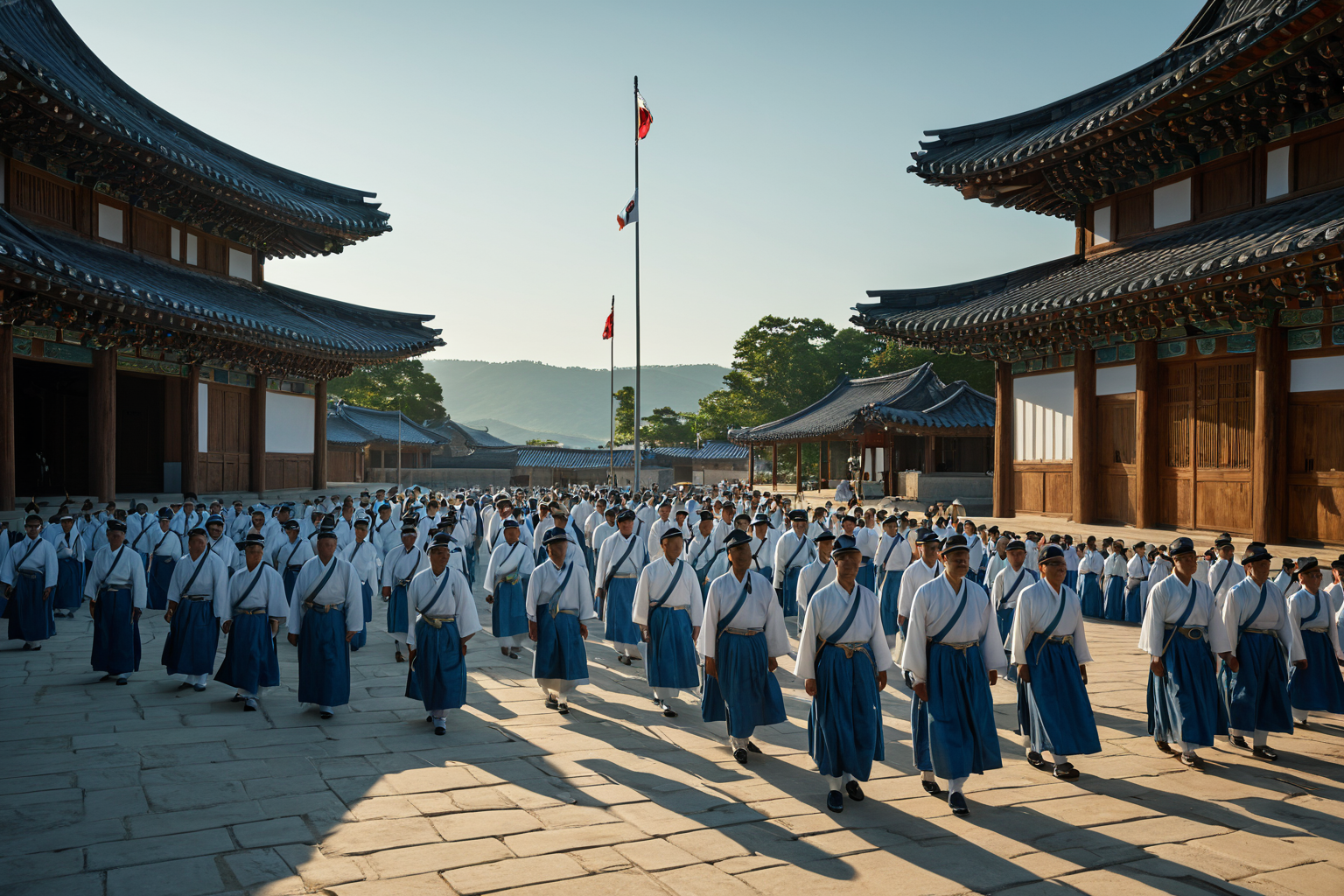
At the 81st Liberation Day commemoration, President Yoon Suk Yeol emphasized 'a restored nation, great people,' but independence groups boycotted the event, claiming his remarks belittled the independence movement. A ceremony in New York also faced division, with Kim Hyung-seok, director of the Independence Hall of Korea, urging an end to the 'historical war' and calling for a more unified approach to history. Lee Jong-chan, head of the Independence Association, was reported to have served as a senior adviser to North Korea's propaganda outlet 'Unification TV.' The 2026 commemoration will be held at Sejong Cultural Center with the theme 'A Brighter Tomorrow for South Korea,' where President Lee Jae-myung aims to write a new chapter in liberation history.
Key Speeches from the 81st Liberation Day Commemoration
On August 15, 2024, during the 81st Liberation Day ceremony, President Yoon Suk Yeol highlighted 'a restored nation, great people,' reflecting on the significance of liberation. This appeared to honor the sacrifices and dedication of independence activists while acknowledging South Korea's proud growth today. However, the event became controversial as some independence groups boycotted it.
Independence groups stated they were boycotting the ceremony because President Yoon 'mentioned Foundation Day,' claiming his remarks belittled the independence movement. This followed criticism that his speech either inadequately addressed or misinterpreted historical events related to independence. The boycott was widely reported as a 'Liberation Day ceremony boycott.'
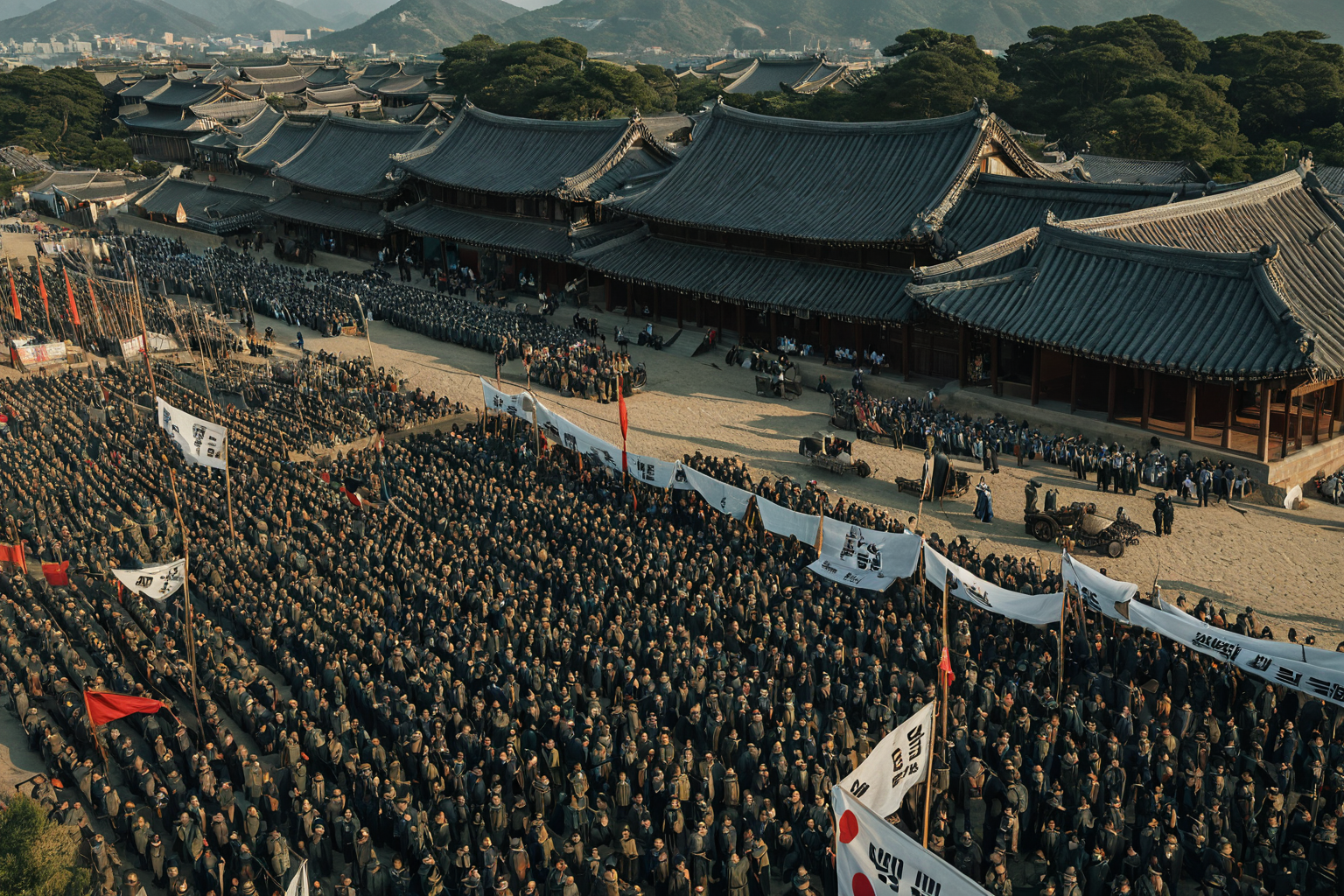
New York Liberation Day Ceremony: A Divided Event
A similar ceremony in New York also took place for the 81st Liberation Day, but it experienced a 'split' situation. This appears to reflect internal divisions within the overseas Korean community over historical interpretations and perspectives, with significant disagreement on the meaning of independence.
At the New York event, groups with differing viewpoints participated together but faced conflict due to opposing statements and actions during the ceremony. This highlighted ongoing international tensions regarding how Liberation Day is interpreted globally.
Director's Call for an End to Historical Conflict
Kim Hyung-seok, director of the Independence Hall of Korea, referred to a 'half-liberation day tragedy' and urged an end to the 'historical war.' This pointed out that disputes over historical interpretation have continued since liberation, criticizing political debates over the legitimacy of independence movements.
Director Kim stated, 'Let's end this historical conflict soon,' advocating for fair interpretation based on historical facts through dialogue. This was seen as a call not just to resolve political disputes but to improve society's overall understanding of history.
Head of Independence Association Linked to North Korean Propaganda
Lee Jong-chan, head of the Independence Association, was reported to have served as a senior adviser for North Korea's propaganda outlet 'Unification TV.' This raised questions about the political neutrality of independence-related organizations and sparked criticism that the association is taking political stances on historical issues.
The report led to debate over whether the Independence Association functions purely as a historical commemoration group or has a political agenda. This controversy highlighted broader concerns about how independence-related groups should balance their historical mission with political engagement.
2026 Commemoration Theme and Plans
The 2026 Liberation Day ceremony will take place at the Sejong Cultural Center on August 15, 2026, under the theme 'A Brighter Tomorrow for South Korea,' with President Lee Jae-myung promising to write a new chapter in liberation history. This appears to emphasize both future development and historical continuity.
President Lee stated he aims to 'write a new liberation history toward an irreplaceable South Korea.' This suggests moving beyond traditional interpretations of history to present a vision for the future, with the theme focusing on societal progress and national identity reinforcement.
The Historical Significance and Modern Interpretation of Liberation Day
The Liberation Day ceremony is not merely about commemorating past independence but also calls for fair historical interpretation alongside South Korea's current direction. The controversies at the 2024 event showed that diverse interpretations exist regarding this significance.
While honoring the sacrifices of independence activists, there was a strong emphasis on needing fair historical approaches. This is seen not as simple political disputes but as an issue requiring society-wide reflection and consideration.
The Background and Controversy Behind Independence Groups' Boycott
Independence groups boycotted the ceremony because they claimed President Yoon's speech belittled the independence movement. This appears to stem from criticism that his remarks either inadequately addressed or misinterpreted historical events related to independence.
The boycott was seen as overlooking the sacrifices and contributions of independence activists, emphasizing current government ideology instead. However, some criticized it as a political tactic designed to obstruct dialogue rather than a legitimate historical concern.
Public Reaction to Independence Association Leader's North Korean Propaganda Role
The report about Lee Jong-chan's role as a senior adviser for 'Unification TV' sparked significant public debate. This was interpreted as the Independence Association losing its role and neutrality as an independence movement organization.
Given that the Independence Association has often taken political stances on historical issues, this incident raised broader questions about the direction of such organizations. It prompted reflection on how these groups should balance their historical mission with potential political engagement moving forward.
New York Event and Its International Significance
The New York Liberation Day ceremony experienced a 'split' situation, showing that disagreements over historical interpretation exist even within the overseas Korean community. This indicates that the meaning of liberation is interpreted in various ways globally.
The conflict at the New York event reflects the need for fair historical approaches rather than political disputes. It has been noted internationally as an example emphasizing the importance of historical interpretation in global society.
Plans for the 2026 Commemoration and a New Vision
The 2026 ceremony will be held at Sejong Cultural Center under the theme 'A Brighter Tomorrow for South Korea,' with President Lee Jae-myung promising to write a new liberation history. This emphasizes future development alongside historical continuity.
President Lee stated his aim to 'write a new liberation history toward an irreplaceable South Korea,' suggesting moving beyond traditional historical interpretations to present a vision for the future. This is seen as more than reflecting on the past but seeking direction for South Korea's future.
The Social Role of Liberation Day and Future Outlook
The Liberation Day ceremony emphasizes resolving conflicts through fair historical interpretation based on facts and dialogue. The controversies at the 2024 event suggest that future ceremonies should proceed with societal consensus rather than political division.
For future Liberation Day events, maintaining a fair approach to historical facts and political neutrality will be important. This can help properly honor the meaning of independence while providing direction for national identity reinforcement.
The 2026 ceremony is expected to be a turning point in realizing President Lee's vision of writing new liberation history. It represents not just looking back at the past but also marking a new beginning for South Korea's future.
Information to Verify
Reports related to the Liberation Day commemoration have been verified from multiple sources, including details on President Yoon's speech, reasons for independence groups' boycotts, the 'split' situation at the New York event, Director Kim's statements, and Lee Jong-chan's role with North Korea's propaganda outlet. The 2026 ceremony theme and President Lee's remarks have also been confirmed.
However, specific group names or individuals behind the boycotts were not disclosed, and detailed explanations about the New York event situation remain limited. Further reporting may provide more accurate information in the future.
Frequently Asked Questions
What does President Yoon Suk Yeol's 'restored nation, great people' mean?
President Yoon appears to be honoring South Korea's achievements since liberation and expressing gratitude for citizens' dedication. This message aims to remember the sacrifices of independence activists while reflecting on South Korea's proud growth today and future aspirations.
Why did independence groups boycott the ceremony?
Independence groups boycotted the event claiming President Yoon 'belittled the independence movement.' This follows criticism that his speech either inadequately addressed or misinterpreted historical events related to independence.
What is the theme and message for the 2026 Liberation Day ceremony?
The 2026 theme will be 'A Brighter Tomorrow for South Korea,' with President Lee Jae-myung stating he aims to 'write a new liberation history toward an irreplaceable South Korea.' This suggests moving beyond traditional historical interpretations to present a vision for the future.
What does 'split' refer to in the New York event?
'Split' refers to the division at the New York Liberation Day ceremony, where disagreements over historical interpretation within the overseas Korean community led to opposing viewpoints. This shows that liberation's meaning is interpreted differently globally.
Frequently Asked Questions
The 81st Liberation Day commemoration sparked various controversies regarding historical facts and modern interpretations. President Yoon's 'restored nation, great people' message, independence groups' boycotts, the New York event's 'split,' and Director Kim's call for ending historical conflict all highlight issues society must consider regarding historical significance.
The 2026 commemoration aims to overcome these controversies by resolving conflicts through fair historical interpretation and dialogue. This will mark not just a reflection on the past but also a new beginning for South Korea's future, as envisioned by President Lee Jae-myung.
You can find similar articles in one place.
View Related ArticlesFAQ
What does President Yoon Suk Yeol's 'restored nation, great people' mean?
President Yoon appears to be honoring South Korea's achievements since liberation and expressing gratitude for citizens' dedication. This message aims to remember the sacrifices of independence activists while reflecting on South Korea's proud growth today and future aspirations.
Why did independence groups boycott the ceremony?
Independence groups boycotted the event claiming President Yoon 'belittled the independence movement.' This follows criticism that his speech either inadequately addressed or misinterpreted historical events related to independence.
What is the theme and message for the 2026 Liberation Day ceremony?
The 2026 theme will be 'A Brighter Tomorrow for South Korea,' with President Lee Jae-myung stating he aims to 'write a new liberation history toward an irreplaceable South Korea.' This suggests moving beyond traditional historical interpretations to present a vision for the future.
What does 'split' refer to in the New York event?
'Split' refers to the division at the New York Liberation Day ceremony, where disagreements over historical interpretation within the overseas Korean community led to opposing viewpoints. This shows that liberation's meaning is interpreted differently globally.
Korean Source
This article is an English localization of a Korean-language report from BlogScore. Original: 81주년 광복절 경축식 주요 발표문 내용 정리