
7 Simple Ways to Prevent Heatstroke During Extreme Heat
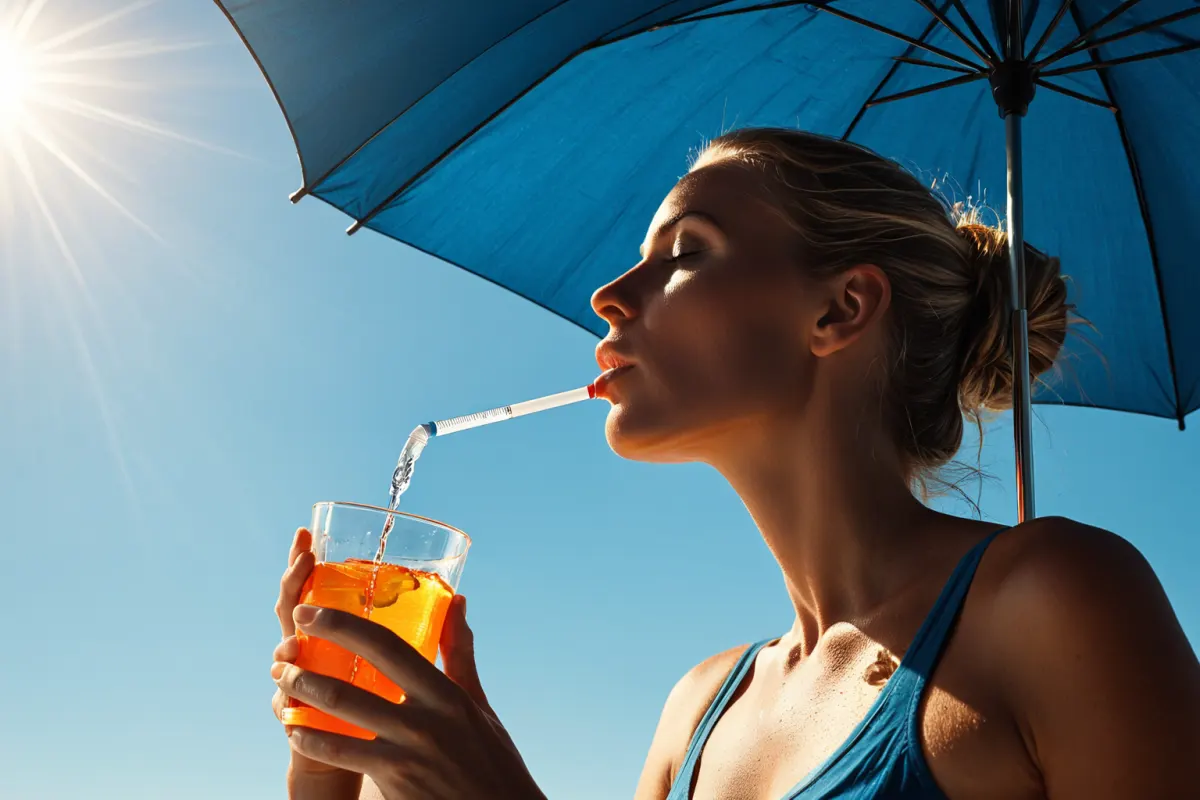
Preventing heatstroke starts with prevention habits, not just reacting to the heat. Drinking water regularly, avoiding outdoor activities during peak heat, and quickly recognizing your body's warning signals can significantly reduce risks. Especially avoid pushing through discomfort—start implementing these simple steps today.
The Core Habits for Heatstroke Prevention
Heatstroke isn't just about enduring the heat—it happens when dehydration, rising body temperature, and lack of rest combine. Prevention is straightforward: drink enough water, avoid hot times, and take breaks when sweating heavily. The most common mistake? Waiting until you're thirsty to drink—by then, your body has already reacted slowly.
Why Hydration Comes First
During extreme heat, sweat carries away both water and electrolytes as your body cools down. Not drinking enough water reduces sweating and makes temperature control harder, increasing heatstroke risk—especially during outdoor work, walking, or exercise.
For example, if you run errands in the morning and take a walk in the afternoon, sip water before leaving, during travel, and after returning instead of waiting until you're thirsty. Consistent small sips are better than large amounts at once to avoid straining your body.
Choosing Cooler Times for Activities
Avoid outdoor activities between 12 PM and 5 PM when the perceived temperature rises sharply, making even light tasks riskier. If you must go out, alternate between shaded areas and indoor spaces. For instance, shorten a usual 30-minute walk to 15 minutes in extreme heat—adjusting your routine is more effective than pushing through discomfort.
How Clothing and Environment Affect Body Temperature
Your clothing matters more than you might think. Opt for light-colored, breathable fabrics, wide-brimmed hats, and moisture-wicking materials. Avoid tight or heat-trapping clothes that raise body temperature further.
Indoors, open windows to improve airflow instead of relying only on fans—combining air conditioning with ventilation is safer. Spaces like cars can heat up quickly even in short periods, so avoid staying inside for long stretches during peak heat.
Recognizing Early Warning Signs Quickly
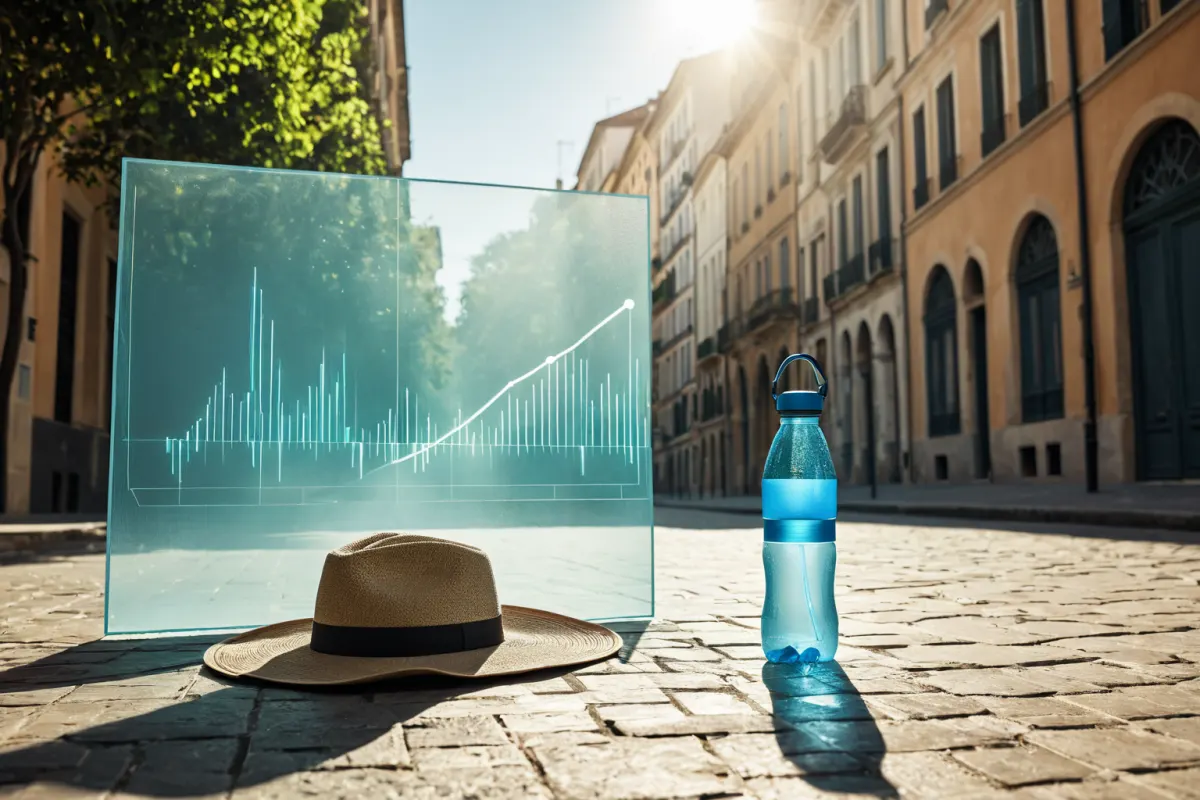
Heatstroke often sends warning signs before sudden collapse: intense thirst, dizziness, headaches, nausea, muscle cramps, or unusual fatigue. Don't ignore these—stop and rest immediately instead of thinking "I'll be fine in a minute." If your skin feels hot and red but sweating has stopped, it's an urgent signal.
Confusion, slurred speech, or loss of consciousness means calling emergency services (119) right away. Early action saves lives—heatstroke is time-sensitive.
7 Simple Daily Habits to Prevent Heatstroke
Focus on small daily habits rather than complex plans. These seven steps will reduce your risk significantly:
- Sip water regularly before you feel thirsty
- Avoid outdoor activities during peak heat hours (12 PM–5 PM)
- Wear light, breathable clothing
- Frequently use shaded or air-conditioned spaces
- Take breaks during long exercise or work sessions
- Stop immediately if you feel headaches, dizziness, or nausea
- Check on elderly, children, and people with chronic conditions more often
Even short errands like waiting for a delivery or visiting a market can lead to accidents if you assume "it's just quick." Build routines: take water before leaving, rest upon arrival.
Who Needs Extra Attention During Heatwaves?
The elderly, children, outdoor workers, athletes, and those with heart conditions or diabetes are more vulnerable. They may tire faster at the same temperature, so having others check on them is crucial.
For elderly living alone, checking basic needs—water intake, air conditioning, meals—is especially important. A quick call from family or neighbors can make a big difference in preventing heatstroke.
What to Do If Heatstroke Is Suspected
If symptoms appear, move to a cool place immediately, loosen clothing, and cool your body—focus on areas with major blood vessels like the neck, armpits, and groin. Don't force someone who's disoriented to drink water.
Act fast: waiting to "see if it gets better" can be dangerous. If symptoms are severe or don't improve quickly, seek emergency help immediately—heatstroke is a time-sensitive emergency.
Daily Heatwave Checkpoints
Prepare the night before for outdoor activities in extreme heat. Get enough sleep, pack water and a hat ahead of time, and plan shorter outings. Being prepared reduces last-minute stress and mistakes.
Indoors, use air conditioning wisely instead of waiting too long to turn it on. Check your body temperature regularly when alone—staying safe during heatwaves isn't about toughing it out but adjusting quickly to your body's needs.
FAQ
Q1. Can drinking lots of water alone prevent heatstroke?
A. No. Hydration is essential, but you also need to avoid peak heat times, take rest breaks, and adjust clothing.
Q2. Is it safe if I'm not sweating?
A. Not necessarily. If sweating stops after being exposed to heat, it's a warning sign of danger.
Q3. Can heatstroke happen indoors?
A. Yes. Poorly ventilated spaces, insufficient air conditioning, cars, or poorly ventilated rooms can also pose risks indoors.
Always check the latest heatwave alerts and health tips before heading out—they're updated yearly for safety.
Find more articles on similar topics.
View Related ArticlesContinue exploring articles on this topic.
View Category ArticlesFAQ
Can drinking lots of water alone prevent heatstroke?
No. Hydration is essential, but you also need to avoid peak heat times, take rest breaks, and adjust clothing.
Is it safe if I'm not sweating?
Not necessarily. If sweating stops after being exposed to heat, it's a warning sign of danger.
Can heatstroke happen indoors?
Yes. Poorly ventilated spaces, insufficient air conditioning, cars, or poorly ventilated rooms can also pose risks indoors.
Korean Source
This article is an English localization of a Korean-language report from BlogScore. Original: 폭염열사병예방 7가지로 실수 줄이는 방법