
7 Essential Heatstroke Prevention Measures During Extreme Heat
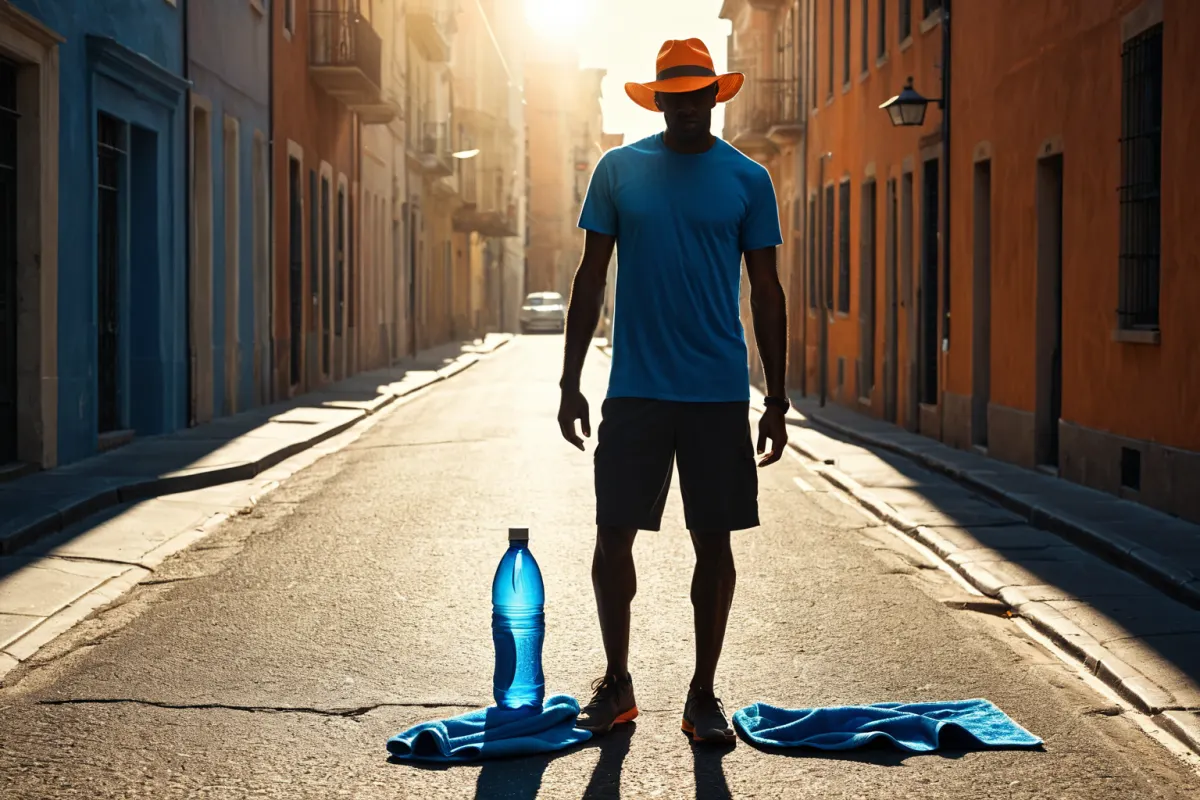
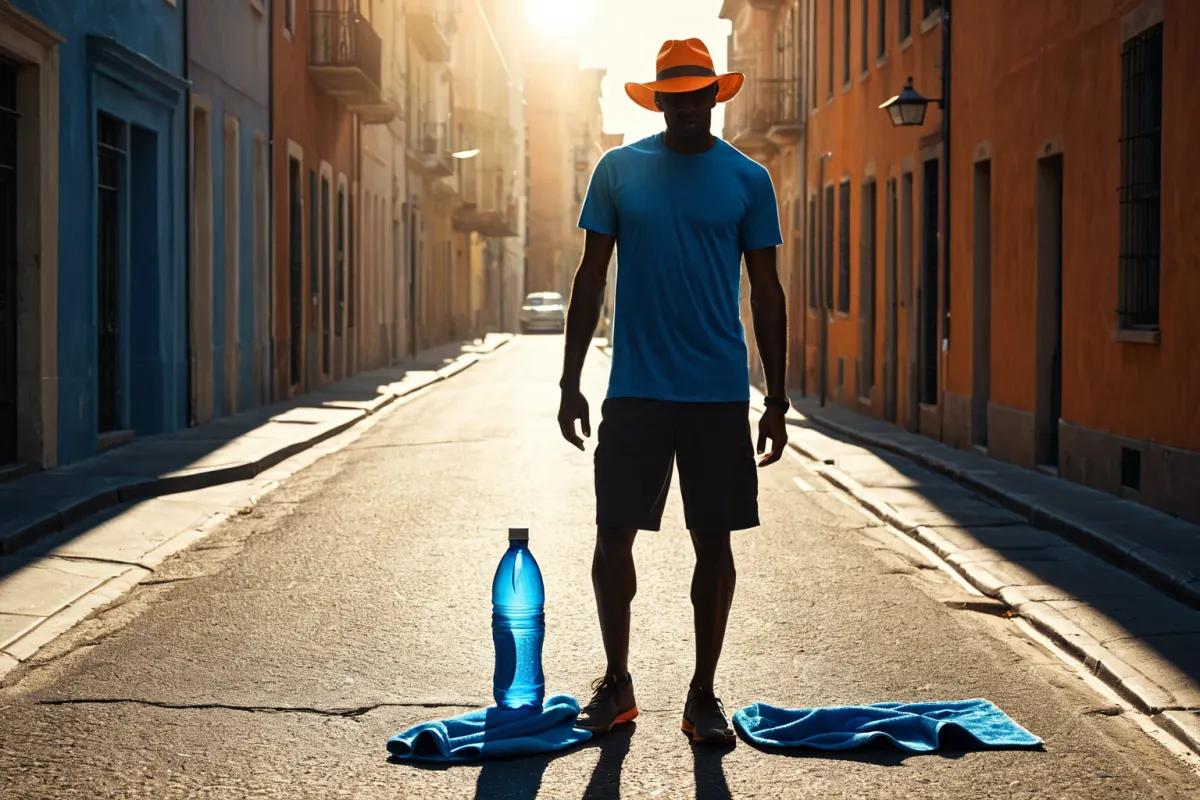
Preventing heatstroke isn't just about drinking water—it requires planning. Reduce midday outings, replenish electrolytes after sweating, and rest immediately if you notice any unusual symptoms. This is especially critical for those working alone or spending extended time outdoors.
Heatstroke isn't simply feeling overheated; it's a medical emergency where the body loses its ability to regulate temperature. Thinking "I can just push through" is dangerous—proactive measures can prevent most cases.
Why Heatstroke Is Dangerous
Heatstroke occurs when the body can no longer release heat, causing rapid temperature spikes, dizziness, headaches, and potentially loss of consciousness.
It commonly affects outdoor workers, athletes, and those in poorly ventilated indoor spaces. Elderly individuals or people with chronic conditions may deteriorate faster even if they don't feel excessively hot, requiring extra vigilance.
Explore more articles on similar topics in one place.
View Related Articles7 Essential Heatstroke Prevention Measures
First, drink water regularly before you feel thirsty—small sips every 20–30 minutes are better than large amounts at once. After heavy sweating, consider electrolyte drinks to replenish lost minerals.
Second, avoid direct sunlight between 11 a.m. and 4 p.m. If you must go out, seek shade frequently and shorten your outings.
Third, wear light-colored, loose-fitting clothing that allows airflow. Hats, umbrellas, and sunglasses aren't just accessories—they're essential protective gear.
Fourth, use air conditioning or fans wisely indoors. Avoid staying in sealed rooms where heat builds up—take short breaks to cool off in cooler spaces.
Fifth, avoid outdoor activities after drinking alcohol or when sleep-deprived. These conditions make you more vulnerable to overheating; reduce intensity or skip exercise altogether if unsure about your condition.
Sixth, check on others regularly, especially those working alone. Early symptoms can be missed by individuals, so family or coworkers should monitor for signs like confusion or flushed skin—especially in children and elderly people.
Seventh, stop immediately at the first sign of headache, nausea, sudden fatigue, or muscle cramps. Ignoring these symptoms can lead to heatstroke; seek medical help if they worsen.
The Importance of Proper Hydration
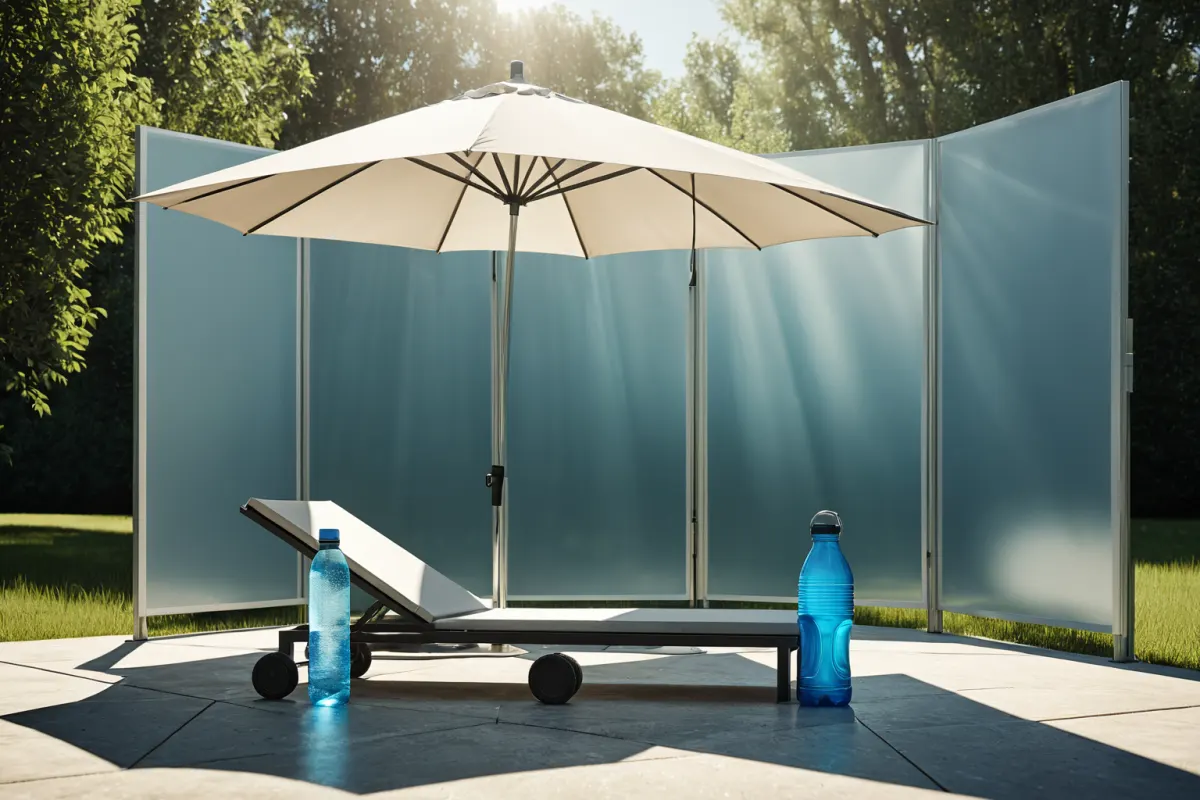
During extreme heat, you lose more fluids through sweat than you might realize—even if it doesn't feel like much. Drinking large amounts at once isn't effective; consistent small sips are better.
For example, skipping water in the morning and drinking a whole bottle at lunch won't prevent dehydration as effectively as sipping from a water bottle throughout the day. Keep a bottle on your desk or in your bag for easy access.
If you sweat heavily, a small amount of salty food can help—just avoid overdoing it with salty snacks, which could cause additional strain.
Warning Signs During Outdoor Activities
Heatstroke often starts subtly. If you feel dizzy, have trouble concentrating, speak less than usual, or notice unusually red skin, stop and rest immediately.
During exercise, prioritize how you feel over your goals—cancel a 30-minute walk if you're short of breath or have a headache. This is safer than pushing through.
When traveling with children, don't rely solely on their words—they may not express discomfort as quickly as adults do. Watch for changes in sweat patterns and behavior instead.
Real-Life Prevention Examples
If you need to shop during peak heat, bring water and plan where to sit before leaving. Break your walk into 30-minute intervals with short rests to reduce strain.
In indoor spaces like gyms or offices with weak air conditioning, don't assume "it's safe indoors." Poor ventilation can raise body temperature quickly—adjust fans or open windows periodically for airflow.
For outdoor jobs like delivery work or construction, schedule regular breaks before you feel exhausted. Resting early is safer than waiting until symptoms appear.
What to Do If Heatstroke Is Suspected
If heatstroke is suspected, move to a cooler area immediately. Loosen clothing and apply cool water to areas like the neck, armpits, and groin—these spots help lower body temperature faster.
If someone appears confused or has trouble swallowing, do not force them to drink water—they may choke. Call for emergency assistance right away.
Don't dismiss symptoms as "just a little heat"—unusual confusion, unsteadiness, or high fever require immediate attention.
Making Prevention Part of Daily Life
Prevention is about small, repeatable habits—not grand gestures. Set simple routines like carrying water before going out, avoiding long walks at lunchtime, and ensuring enough sleep the night before exercise.
In your home, monitor body condition more than air conditioning schedules—many people collapse suddenly after pushing through heat without noticing early signs.
Coordinate with family or coworkers to check on each other during extreme weather. Having water bottles, hats, AC settings, and rest areas prepped can significantly reduce risk.
FAQ
Q1: Can drinking lots of water alone prevent heatstroke?
A1: No. Hydration is important, but you also need shade, regular breaks, cooling methods, and proper clothing for full prevention.
Q2: How does heat exhaustion differ from heatstroke?
A2: Heat exhaustion involves heavy sweating, fatigue, and dizziness, while heatstroke involves a loss of temperature regulation with potential consciousness changes—making it more dangerous.
Q3: Can you get heatstroke indoors?
A3: Yes. Poorly ventilated or under-cooled indoor spaces, especially during long work sessions, can still cause heatstroke.
Health guidelines for extreme heat may vary by region based on temperature, perceived heat, and local alerts—always check the latest recommendations.
Continue exploring similar topics.
See All ArticlesFAQ
Can drinking lots of water alone prevent heatstroke?
No. Hydration is important, but you also need shade, regular breaks, cooling methods, and proper clothing for full prevention.
How does heat exhaustion differ from heatstroke?
Heat exhaustion involves heavy sweating, fatigue, and dizziness, while heatstroke involves a loss of temperature regulation with potential consciousness changes—making it more dangerous.
Can you get heatstroke indoors?
Yes. Poorly ventilated or under-cooled indoor spaces, especially during long work sessions, can still cause heatstroke.
Korean Source
This article is an English localization of a Korean-language report from BlogScore. Original: 폭염 속 열사병 예방 7가지 조치가 중요한 이유