
5 Key Factors That Determine Ready-Mix Concrete Pricing in South Korea
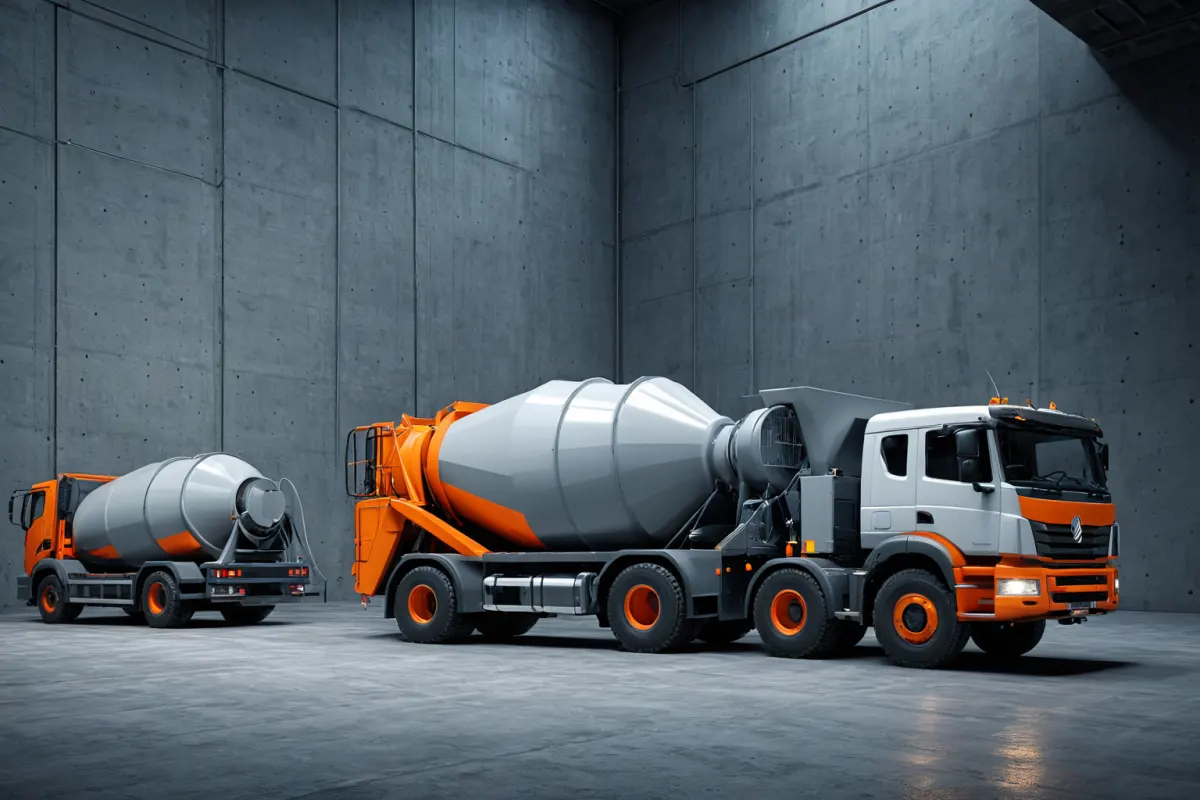
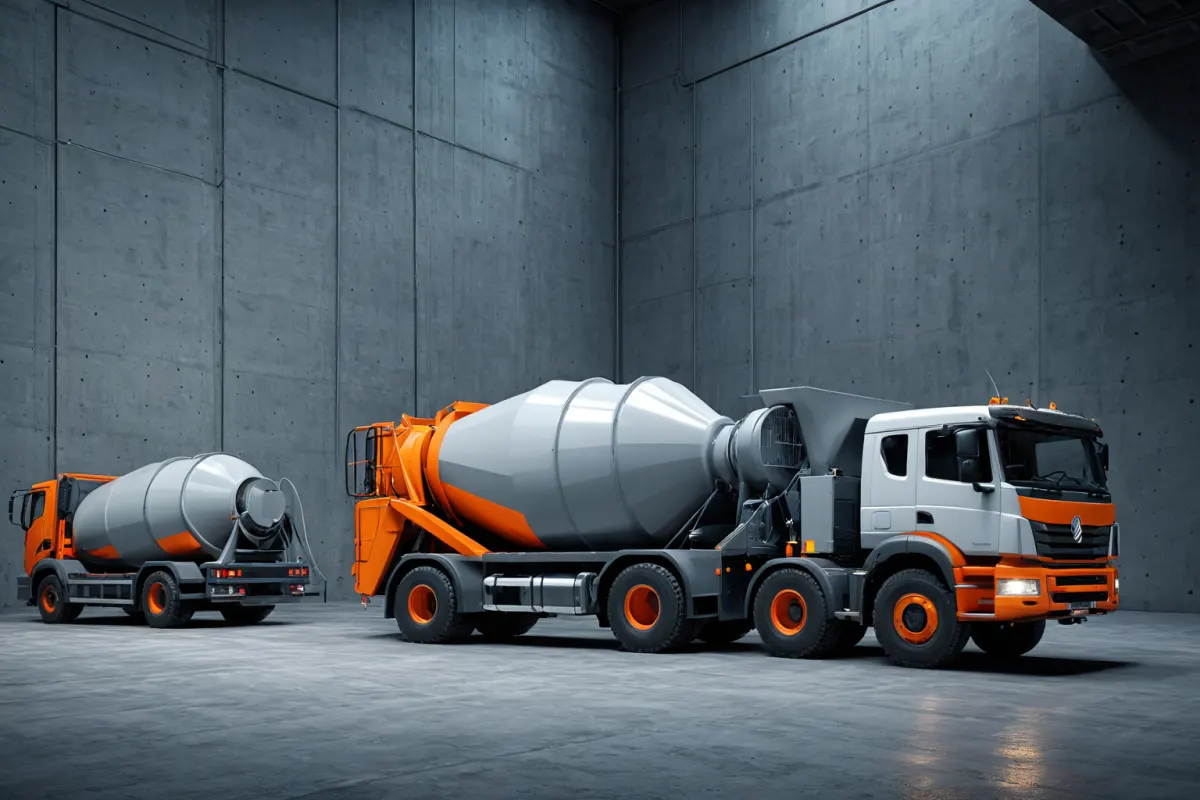
Ready-mix concrete prices typically vary based on specifications, delivery distance, and pouring schedule. When combined with order quantity, pump truck usage, and site accessibility, even quotes for the same date can differ significantly. Therefore, focusing solely on "price per cubic meter" may overlook actual total costs.
When receiving quotes at a construction site, don’t just check the ready-mix price—verify available dispatch times, minimum order quantities, and additional equipment fees. Below, we break down each factor for beginners to understand quickly.
The Basic Structure Behind Ready-Mix Concrete Pricing
Ready-mix concrete pricing isn’t determined solely by material costs. It includes raw material expenses (cement, aggregates, admixtures), factory production costs, transportation fees, and site conditions.
Even for the same strength and specifications, longer distances between the factory and site increase transportation costs. Smaller orders often lead to higher per-unit prices due to reduced dispatch efficiency. Thus, quotes should be reviewed by both unit price and total amount.
For example, a 5m3 order may have a different pricing structure than a 20m3 order for a construction site. Small orders frequently incur extra fees because fewer units are transported per dispatch.
You can find similar articles in one place.
View Related ArticlesHow Specifications Affect Pricing
Ready-mix concrete is categorized by specifications such as strength, slump, and aggregate size. Strength directly impacts pricing because it relates to the structural purpose of the project.
For instance, floor slabs and foundation work may require different standards, while exposed concrete projects needing high-quality finishes often involve more complex mix designs, increasing management costs.
A common mistake is assuming "concrete is all the same." In reality, structural, non-structural, and finishing types differ, meaning the same volume can have varying quotes.
Delivery Distance and Dispatch Conditions
Ready-mix concrete must be transported while still workable, making time management critical. Longer distances reduce vehicle turnover rates, directly affecting pricing.
In dense urban areas or locations deep in narrow alleys, vehicle access can be challenging, leading to longer dispatch times. This may result in additional waiting fees beyond transportation costs.
For example, a site close to the factory might only include basic transport fees, while remote or mountainous areas often incur extra shipping charges. Always confirm quotes based on the site address for accuracy.
The Impact of Pouring Schedule on Costs
Ready-mix concrete must arrive at the exact time required, making scheduling crucial. Special schedules like weekends, night shifts, or continuous pouring may incur additional fees.
Sudden weather changes can disrupt pouring schedules, leading to extra waiting charges. For example, rain forecasts or low temperatures might require adjustments to mix composition or pouring methods, so it’s best to plan ahead.
Generally, morning pours are the most straightforward, while late afternoon may cause overlapping vehicle dispatches or pressure from site closing times. Tighter schedules increase the importance of coordinating with pump trucks.
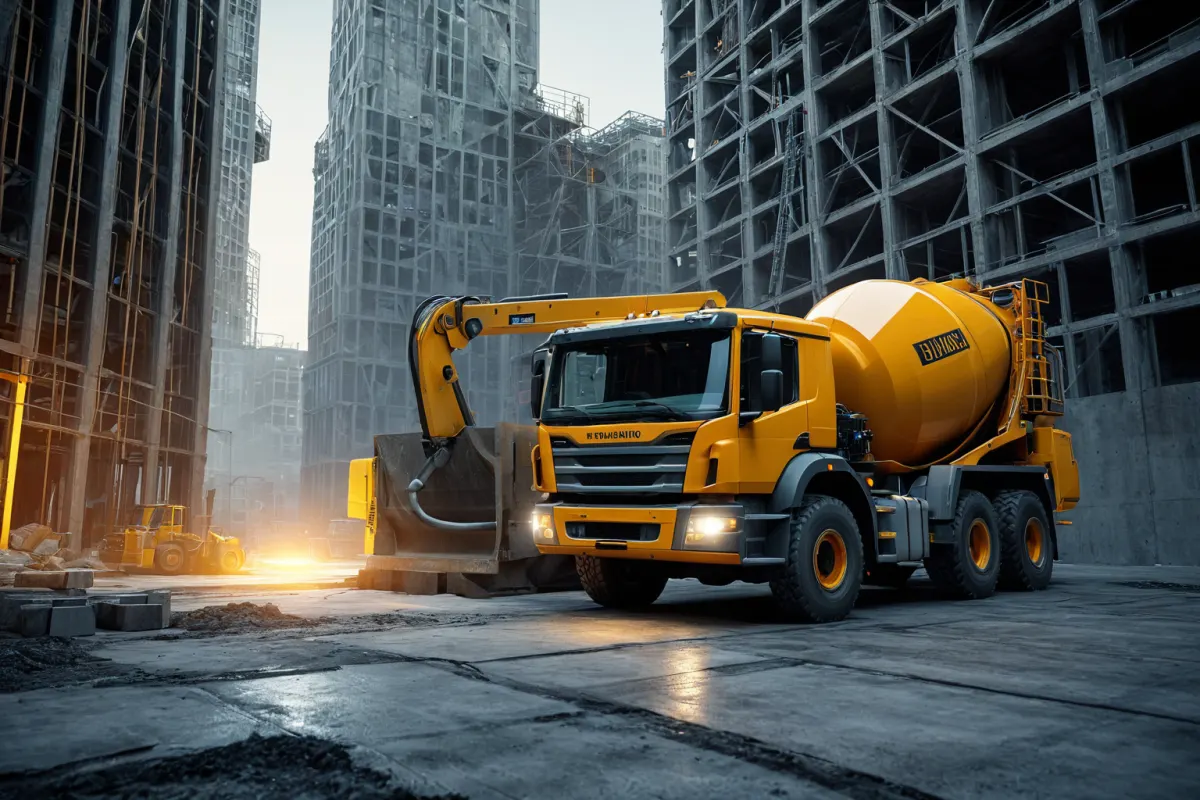
Pump Truck Usage and Additional Costs
If pouring is difficult at the site, a pump truck may be necessary. This cost is often added separately to the ready-mix price, making it easy to overlook during initial quotes.
Pump truck costs vary based on site height, distance, and pipe length. For example, foundation work on the first floor versus pouring on higher floors involves different equipment requirements, leading to different pricing even for similar projects.
Beginners should ask two key questions: "What is the ready-mix price per cubic meter?" and "What is the total cost including pump truck usage?" Also, confirm equipment needs by reviewing site photos beforehand.
Order Quantity and Minimum Volume Requirements
Smaller order quantities usually mean higher unit prices. Factories find it less efficient to dispatch smaller loads, increasing per-unit costs.
For instance, minor foundation repairs may fall below minimum order requirements, resulting in extra fees. Conversely, larger orders at once often stabilize pricing.
A common structure is "price per cubic meter + small-order dispatch fee + transportation cost." To compare quotes accurately, focus on the total amount rather than unit prices alone.
Real-World Examples of Quote Verification
Even for a 10m3 project, costs can differ between a single-family home foundation near the factory and a warehouse foundation in a remote area. The former may have lower transport fees and smoother dispatches, while the latter might incur extra costs due to distance and access conditions.
Level floor pours are relatively simple, but sloped or confined areas require more careful equipment selection. A seemingly low quote may later include pump truck fees, increasing the total cost significantly.
The most practical approach is to provide site photos, address, planned volume, and pouring time upfront. Matching these four details minimizes quote discrepancies.
Essential Questions to Ask When Requesting Quotes
Avoid surprises by asking more than just "What’s the price per cubic meter?" Instead, include:
- Is the delivery distance fee included based on site address?
- Are there minimum order quantities or small-order dispatch fees?
- Is a pump truck required for this site?
- Do weekend or night pours incur additional charges?
- How much does changing strength or specifications affect pricing?
Asking these questions reduces the chance of unexpected costs. Even if quotes have similar unit prices, differences in included items require careful comparison.
Common Mistakes When Comparing Quotes
The most frequent error is choosing based on the lowest unit price alone. Actual project costs include potential delays, waiting fees, additional pump truck use, and site access issues.
Another overlooked factor is pouring time. Even on the same day, morning and afternoon dispatches face different conditions, affecting efficiency based on crew readiness.
Thus, comparing quotes by total cost under identical conditions provides a more accurate picture than just looking at price lists.
FAQ
Q1. Why do ready-mix concrete prices vary by region?
Distances to factories, dispatch availability, and regional transportation conditions cause differences. Even for the same specification, site location affects transport fees.
Q2. Is pump truck cost always separate?
Most often, yes. Requirements depend on site conditions, so it’s best to confirm separately from the ready-mix quote.
Q3. Does a small order always mean higher costs?
Not always, but smaller orders are more likely to face unfavorable pricing due to minimum dispatch requirements. Confirm additional fees for low-volume orders beforehand.
Check out more articles on similar topics.
View Category ArticlesFAQ
Why do ready-mix concrete prices vary by region?
Distances to factories, dispatch availability, and regional transportation conditions cause differences. Even for the same specification, site location affects transport fees.
Is pump truck cost always separate?
Most often, yes. Requirements depend on site conditions, so it’s best to confirm separately from the ready-mix quote.
Does a small order always mean higher costs?
Not always, but smaller orders are more likely to face unfavorable pricing due to minimum dispatch requirements. Confirm additional fees for low-volume orders beforehand.
Korean Source
This article is an English localization of a Korean-language report from BlogScore. Original: 레미콘가격 산정 요소 5가지: 규격·운반·타설 일정