
5 Key Considerations for Small Businesses Issuing Tax Invoices in South Korea


Procedure for Issuing Tax Invoices as a Simplified Taxpayer
Simplified taxpayers must separately track taxable and non-taxable sales when issuing tax invoices. When claiming input tax credits, be cautious with purchases from non-taxable businesses, as errors are common. Importantly, simplified taxpayers generally cannot claim input tax deductions, and those in non-taxable sectors have no obligation to issue tax invoices at all. Therefore, it is essential to accurately distinguish between taxable and non-taxable sales and exclude purchases from non-taxable businesses from deduction claims. This practice prevents errors during VAT reporting.
Simplified Electronic Tax Invoice Issuance
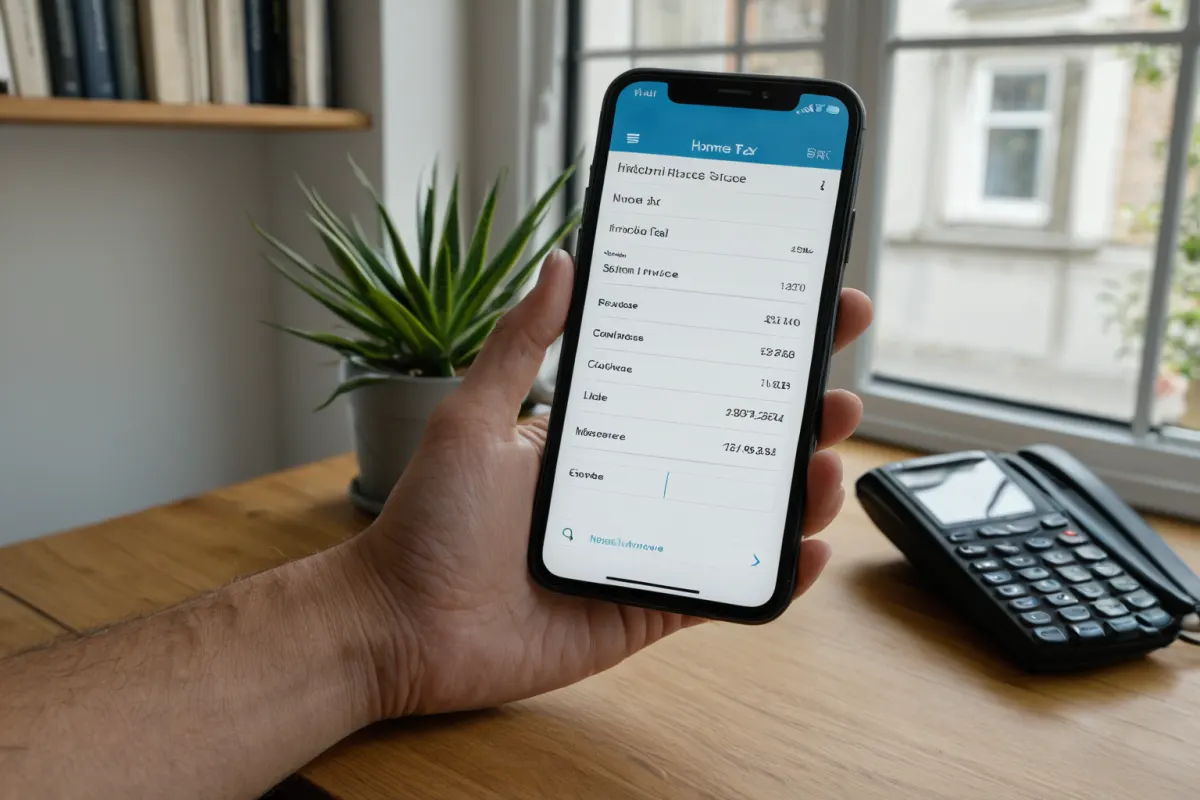
Starting April 2026, the National Tax Service will introduce a simplified authentication system for business users to issue electronic tax invoices for free via HomeTax. Previously, businesses had to use joint or financial certification, incurring annual fees ranging from 4,400 won to up to 110,000 won. Now, they can easily issue e-invoices using fingerprint or simple passwords on smartphones. This change is expected to benefit approximately 8.54 million businesses, particularly around 100,000 small-scale businesses (simplified taxpayers). The National Tax Service will provide information about prepayment periods to 160,000 simplified taxpayers who are obligated to issue tax invoices through mobile notifications.
2% VAT Deduction on Credit Card Sales
Simplified taxpayers can claim a 2% deduction on credit card sales, but improper claims will be reviewed. This applies to sales recorded via credit card payments, cash receipts, and electronic tax invoices. Simplified taxpayers with insufficient transaction data may qualify for support if their VAT-reported sales have decreased compared to 2019 or 2020. Accurate sales record-keeping is essential, and businesses should verify that credit card statements prevent double deductions between tax invoices.
Extended Payment Deadlines
Businesses facing operational challenges can extend their VAT payment deadline by up to nine months. This applies even to those who did not issue tax invoices in the first half of the year. The National Tax Service has previously extended deadlines—for example, moving the second-quarter VAT filing and payment due date from January 25 to January 27—to stabilize livelihoods. Additionally, all simplified taxpayers who issued tax invoices in the first half must directly report and pay their performance-based taxes, which are included in final VAT filings.
Key Considerations When Changing Tax Categories
When switching from general taxation to simplified taxation, additional procedures are required. Changes in tax categories affect invoice issuance obligations and reporting methods, so it is crucial to confirm with the tax office before making any changes. For instance, pharmacies must register as general taxpayers upon opening and manage taxable and non-taxable sales separately.
Adhering to Mid-Year Invoice Issuance Deadlines
If a simplified taxpayer issued tax invoices in the first half of the year, they must report and pay taxes based on those records. Failure to issue invoices may exclude them from final VAT filings, so meeting deadlines is critical. This process resembles pharmacy opening procedures, requiring careful attention to tax and administrative processes. Additionally, as health insurance providers, businesses must undergo inspections and file reports with the Health Insurance Review and Assessment Service.
Frequently Asked Questions
Do simplified taxpayers have an obligation to issue tax invoices?
Yes, if registered as a general taxpayer, simplified taxpayers must issue tax invoices. However, some simplified taxpayers without this obligation can use pre-filled services.
How do I apply for the 2% deduction on credit card sales?
Record credit card transactions accurately and verify sales amounts when issuing tax invoices to claim deductions. Be cautious of improper claims, as these will be reviewed.
What additional procedures are required when changing tax categories?
When switching from general to simplified taxation, businesses must apply separately at the tax office, as invoice issuance methods and reporting procedures change. Always confirm before making such changes.
References
- [Kang Dong-hyeong Column] All You Need to Know About Import VAT Refunds—Opportunities and Strategies Not to Miss (www.financialreview.co.kr)
- Apartment Refrigerators and Home Theaters Purchased by Corporate Chairmen: Input Tax Not Deductible (www.intn.co.kr)
- National Tax Service Warns Simplified Taxpayers Issuing Tax Invoices About Final VAT Filing (www.tfmedia.co.kr)
You can view similar articles in one place.
View Related ArticlesFAQ
Do simplified taxpayers have an obligation to issue tax invoices?
Yes, if registered as a general taxpayer, simplified taxpayers must issue tax invoices. However, some simplified taxpayers without this obligation can use pre-filled services.
How do I apply for the 2% deduction on credit card sales?
Record credit card transactions accurately and verify sales amounts when issuing tax invoices to claim deductions. Be cautious of improper claims, as these will be reviewed.
What additional procedures are required when changing tax categories?
When switching from general to simplified taxation, businesses must apply separately at the tax office, as invoice issuance methods and reporting procedures change. Always confirm before making such changes.
Korean Source
This article is an English localization of a Korean-language report from BlogScore. Original: 간이과세자 세금계산서 발행 시 주의사항 5가지