
5 Essential Things to Check Before Buying Ijaeseong Apples
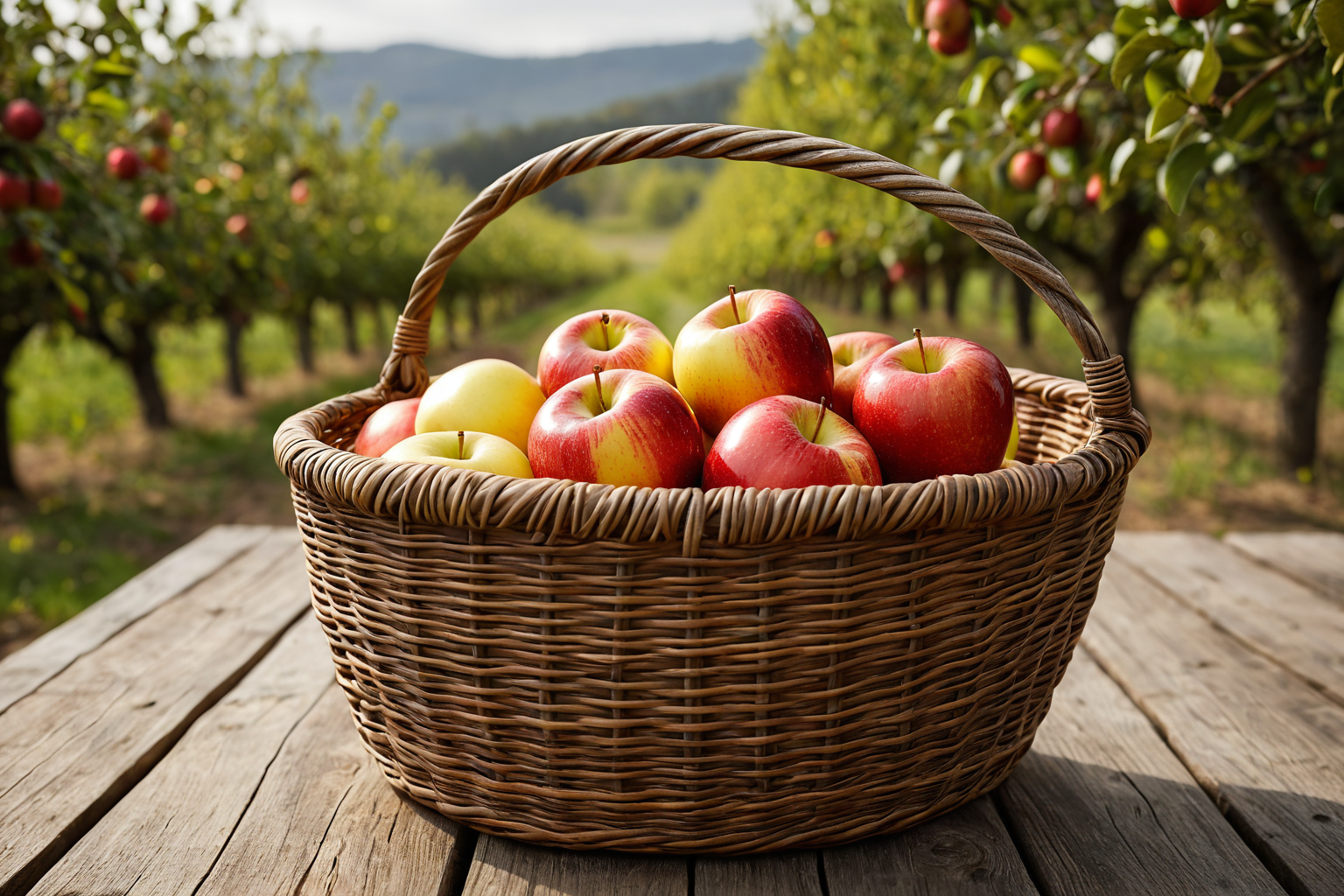
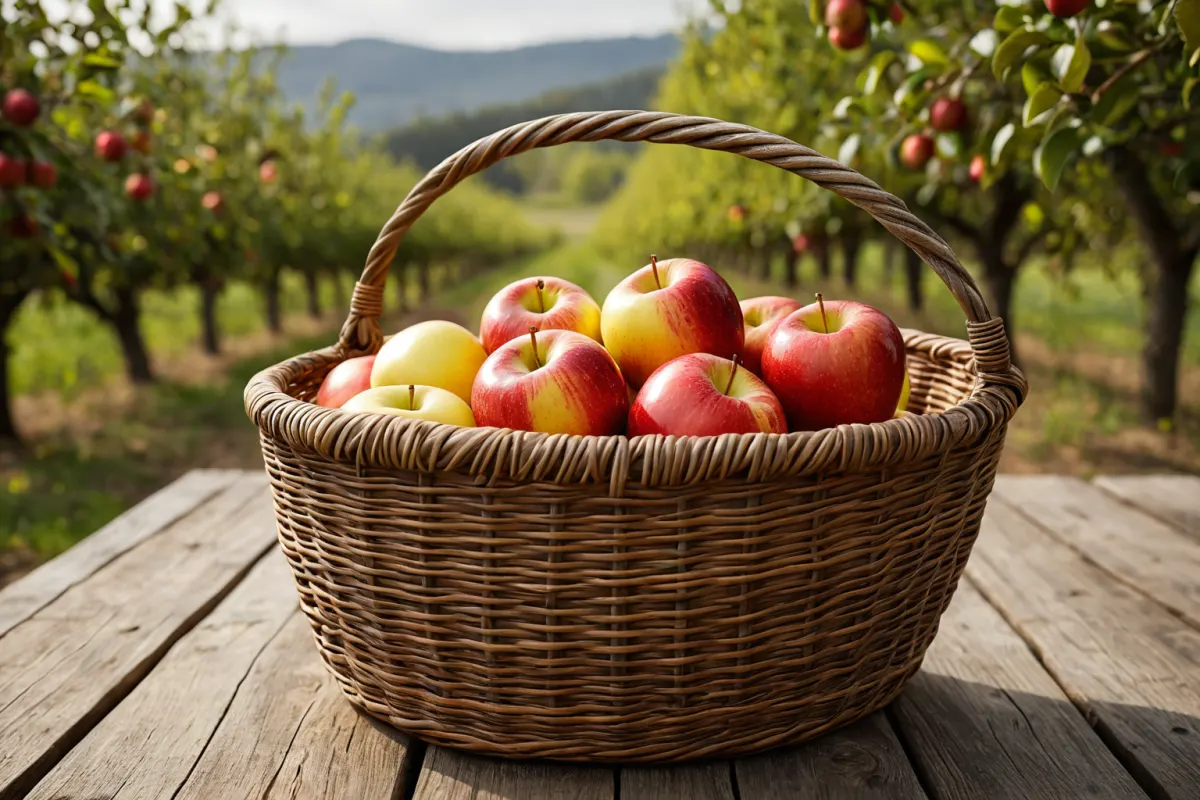
When buying Ijaeseong apples, the first thing to check is condition over sweetness. Even if they look similar from the outside, taste can vary significantly based on harvest time, storage conditions, and flesh density. To avoid disappointment, consider factors like origin, size, color, surface blemishes, and shipping conditions—not just photos.
Especially since Ijaeseong apples are often sought as gifts, it’s easy to assume that visually appealing apples mean high quality. However, firmer, heavier apples tend to be more satisfying than overly large ones. Knowing these key points helps you make a smarter choice within your budget.
Key Criteria for Buying Ijaeseong Apples
The first factor is weight relative to size. Even if they’re the same size, heavier apples often indicate better moisture content and flesh density. If they feel too light, they might be dry or have been stored too long.
The second is surface shine and blemishes. Minor natural spots aren’t a problem, but many dents or cracks may mean the fruit was damaged during storage. For gifts, choose neatly presented apples; for home use, minor imperfections might offer better value.
The third is color uniformity. If one side is overly red while the other remains too green, the ripeness may be uneven. Since Ijaeseong apples are known for their regional characteristics, it’s best to assess overall balance rather than relying solely on color.
Find more articles on similar topics in one place.
View Related ArticlesWhy Harvest Time Matters More Than Sweetness
Apples with high sweetness can still disappoint if the texture is off. Whether they’re meant to be eaten right away or after a few days of ripening affects taste perception. Always check harvest or shipping dates on product pages.
For example, even Ijaeseong apples vary based on whether you plan to eat them immediately or store them in the fridge for a day or two. If eating soon, choose slightly softer apples with good aroma; if planning to share over several days, firmer apples are better.
Another factor is storage conditions. At room temperature, flavor develops quickly but flesh may soften; refrigeration maintains freshness but can dull the aroma. Consider your lifestyle habits to avoid waste.
Different Criteria for Gifts vs. Home Use
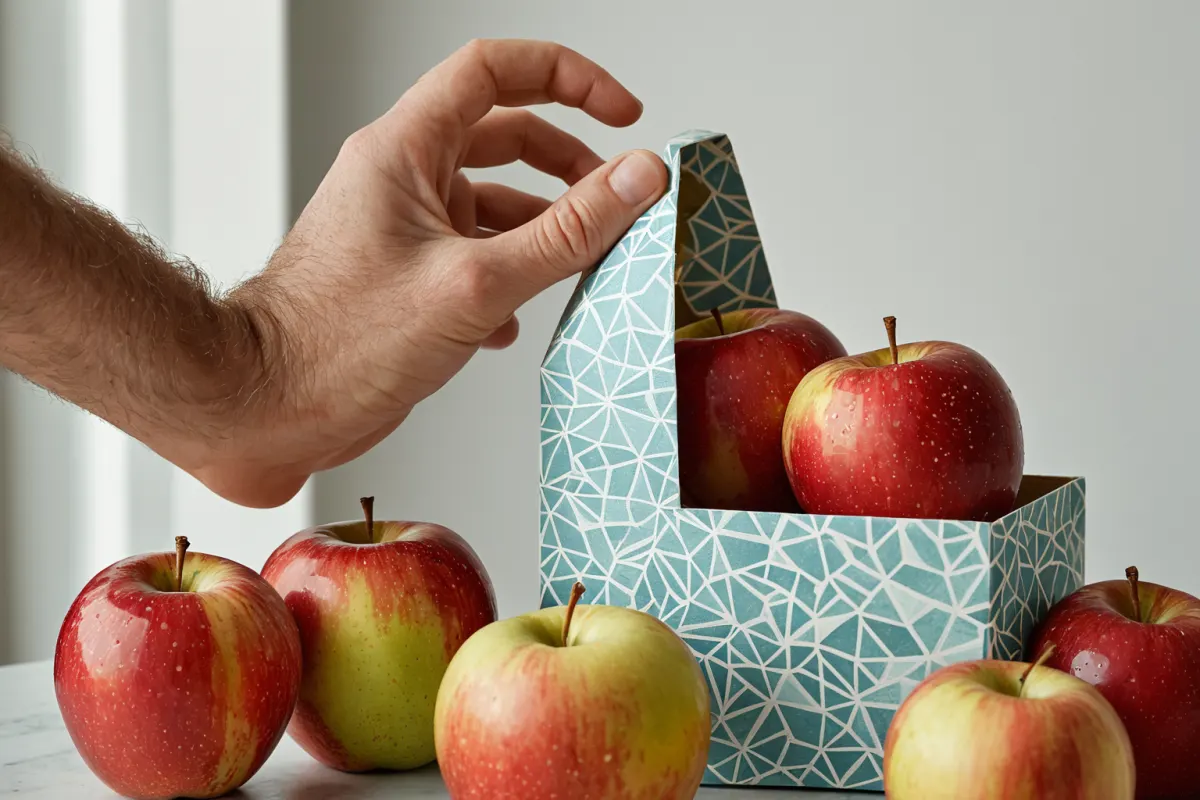
For gifts, uniform shape and appearance are key. Choose apples with consistent size and even color distribution. Packaging matters too—ensure individual cushioning or secure internal placement to prevent damage during shipping.
Home use has different priorities. If taste is good despite minor cosmetic flaws, you’ll get better value for your money. For snacks or daily consumption, single-serve packs may be more practical than large bundles.
In fact, consider family size and eating pace first. Buying smaller quantities that can be consumed within 2–3 days is safer than larger packs; during holidays when you need more, box-sized purchases work better.
How Shipping Conditions Affect Apple Taste
Apples are sensitive to shipping conditions—temperature fluctuations or crushing in transit can affect freshness. In summer, check if they’re shipped at high temperatures; in winter, watch for frost damage risk.
If product descriptions mention same-day dispatch or direct from farm, it’s a plus—but not necessarily a quality guarantee. Look for details on packaging and shipping duration instead.
For instance, if the delivery date is delayed, buy only what you’ll eat soon. For gifts with set dates, plan ahead to allow time to check condition after arrival.
Pricing Differences and Common Purchase Mistakes
If Ijaeseong apples seem unusually cheap, first verify whether they’re non-standard size or imperfect in appearance. They may not be ideal for gifts but can still taste great. Conversely, higher prices don’t always mean sweeter or fresher fruit.
A common mistake is choosing based solely on quantity. Look at actual weight, individual size, and total price including shipping to calculate true cost per unit—especially important for small packs where shipping fees can inflate costs.
When reading reviews, focus on comments about taste, texture, and packaging, not just star ratings. Phrases like “crisp and firm” or “fresh upon arrival” are more helpful than vague terms like “sweet.”
Quick Checks Before Purchasing
Before hitting the buy button, consider these three points:
- Eating time: Will you eat them today or in a few days?
- Purpose: Is this for gifts or home use?
- Priority: Do you value appearance, texture, or sweetness most?
For example, if buying for kids’ snacks, crispness and ease of preparation matter more; for parents as gifts, uniform size and packaging are key. Setting these criteria upfront makes selecting the right product easier.
If it’s your first purchase, start with a small quantity to test quality before committing to larger orders. First-time buyers should prioritize checking taste and fit before reordering—especially important for regional apples like Ijaeseong, which can vary by harvest season and region.
FAQ
Q1. When is the best time to eat Ijaeseong apples?
A. They’re fine to eat right after delivery, but some may improve in texture after 1–2 days of refrigeration.
Q2. What’s most important when choosing Ijaeseong apples as a gift?
A. Uniform appearance, stable packaging, and shipping schedule. While taste matters, first impressions are often shaped by looks and presentation.
Q3. Do higher sugar levels always mean better taste?
A. Not necessarily. Even if they’re sweet, soft flesh or weak aroma can reduce satisfaction—so texture and freshness matter too.
Keep in mind that harvest times and conditions vary by season; check recent shipping info and customer reviews for the best results.
Continue exploring similar topics.
Browse Category ArticlesFAQ
Q1. When is the best time to eat Ijaeseong apples?
A. They’re fine to eat right after delivery, but some may improve in texture after 1–2 days of refrigeration.
Q2. What’s most important when choosing Ijaeseong apples as a gift?
A. Uniform appearance, stable packaging, and shipping schedule. While taste matters, first impressions are often shaped by looks and presentation.
Q3. Do higher sugar levels always mean better taste?
A. Not necessarily. Even if they’re sweet, soft flesh or weak aroma can reduce satisfaction—so texture and freshness matter too.
Korean Source
This article is an English localization of a Korean-language report from BlogScore. Original: 이재성사과 구매 전 꼭 확인할 점 5가지