
5 Essential Checklist Items for Handling Workplace Negligence
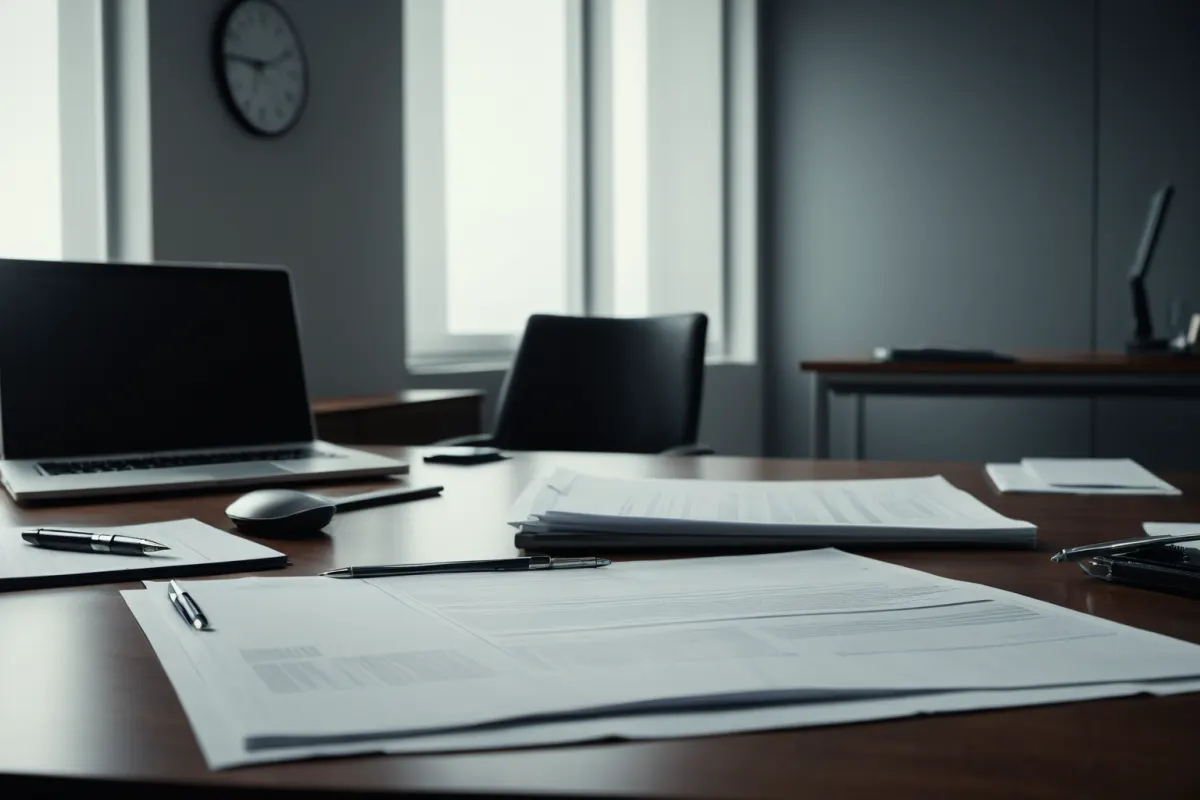
If you're facing a workplace negligence issue, the first step isn't to admit or deny responsibility immediately. Instead, focus on documenting how the incident occurred and gathering evidence. Poor initial responses can lead to unfavorable outcomes in investigations, complaints, or disputes, so calm organization matters more than emotional explanations.
Especially with workplace negligence response, it's not enough to seek a lawyer after things escalate. The initial response must consider work procedures at the time, communication chains, verification processes, and witness statements—all of which intertwine. What you document and what you choose not to say in your first response can significantly impact the outcome.
Key Points Often Overlooked in Initial Response
In situations where workplace negligence is suspected, fixing the facts as early as possible is crucial. Over time, memories mix, statements change slightly, and interpretations become more damaging.
The key isn't to adopt an absolute stance like 'I was wrong' or 'I'm not responsible.' Instead, organize the incident chronologically, separating what you personally verified from what you heard secondhand.
For example, in fields like healthcare, safety, accounting, or on-site management, whether it was a simple mistake, procedural oversight, or an issue with communication protocols determines how to respond. What appears similar at first glance can have completely different legal implications.
You can find more articles on this topic in one place.
View Related Articles5-Point Checklist for Workplace Negligence Response
The first things to confirm are: 1) when the incident occurred, 2) your role at the time, 3) what was reported or instructed, 4) available documents and messages, and 5) external communications. Gathering these five items will make later explanations much smoother.
Especially often overlooked are instant message conversations, emails, work logs, access records, and whether CCTV footage was requested. Instead of saying 'That never happened,' it's better to secure objective evidence quickly.
If asked to write a statement internally, avoid rushing into writing without organizing the facts. Mixing fact with speculation can lead to overinterpretation. Always keep facts separate from assumptions.

Why Work Scope Matters in Responsibility Assessment
Workplace negligence doesn't simply mean a problem occurred while doing your job. It also involves whether you fulfilled the required duty of care within your assigned responsibilities and how much you could reasonably anticipate potential issues.
For example, even if it's the same mistake, responsibility can vary based on whether clear guidelines existed, whether training was provided, or if higher-level approval procedures were followed. Distinguishing 'Was this my job?' from 'Did I make a decision alone?' is important.
In field situations, people often say 'Everyone does it that way,' but such statements don't absolve responsibility. Similarly, no single individual should bear full blame without context showing the actual work structure.
Practical Example of Organizing Your Response
Let's take an example: If a safety inspection was missed during site checks leading to an incident, first verify the inspection form and assigned time. Next, determine who was responsible for final verification, if there was backup personnel, and whether missing signatures were part of routine practice.
Organizing it this way shows 'There was a procedural gap in the verification process' rather than just 'I made a mistake.' This distinction significantly affects how convincing your explanation will be later on.
Another example: If there's a number error in accounting or settlement work, determine if it was simple miscalculation or if corrections were made before approval. File versions, edit history, and approval records can greatly help clarify the facts.
What to Say and What to Avoid
During investigations or interviews, avoid pretending you know things you don't. Use phrases like 'I'm not sure,' 'My memory isn't clear,' or 'Let me check my records' to reduce unnecessary misunderstandings.
On the other hand, simply saying 'I don't remember' repeatedly can seem uncooperative. It's safer to clearly separate what you know for certain, what needs verification, and what you'll provide as documentation later.
If external agencies contact you (not just internal company responses), document the timing of calls, what was requested, and what information was provided—so you don't get tangled in explanations later.
How to Organize Your Documentation
Document organization doesn't need to be complicated. Create date-based folders, save messages and documents before and after the incident, and add brief notes. The key is making it clear when you revisit them later.
If possible, name files specifically like '2026-07-10 Site Inspection' or 'After-Meeting Instructions' instead of generic names. Specific titles make finding documents easier and help maintain chronological order.
Avoid trying to coordinate statements with colleagues—this can actually weaken credibility as memories may not align. It's better for each person to document their own verified facts separately.
Key Points to Check Before Things Escalate
Workplace negligence response often comes down to whether documentation exists and whether you can explain your work structure. What matters most isn't the incident itself, but how well you've maintained records and communicated during the response process—these are where things often go wrong.
So in the early stages of an incident, focus on gathering evidence rather than making judgment calls alone. If possible, consult with legal experts or HR professionals to guide your approach—but always have your facts organized first.
In practice, even a single sentence or note can become central to the case. It's far more strategic to secure documentation now than react emotionally later.
FAQ
Q1: What should I do first if workplace negligence is suspected?
Organize the incident chronologically and save relevant documents and messages. Documentation comes before explanation.
Q2: What should I do if asked to write a statement immediately?
Avoid writing unverified information. Separate facts from speculation, and gather supporting evidence first.
Q3: Can I handle this on my own?
You might manage simple internal checks alone, but if there's potential for external investigation or disputes, it's safer to consult with a professional.
The specific issues and applicable standards can vary by case, so always confirm current procedures before responding.
Continue exploring similar topics.
View Category ArticlesFAQ
What should I do first if workplace negligence is suspected?
Organize the incident chronologically and save relevant documents and messages. Documentation comes before explanation.
What should I do if asked to write a statement immediately?
Avoid writing unverified information. Separate facts from speculation, and gather supporting evidence first.
Can I handle this on my own?
You might manage simple internal checks alone, but if there's potential for external investigation or disputes, it's safer to consult with a professional.
Korean Source
This article is an English localization of a Korean-language report from BlogScore. Original: 엄무상과실 대응, 먼저 확인할 5가지 체크리스트