
5 Effective Food Combinations for Menopause Weight Loss
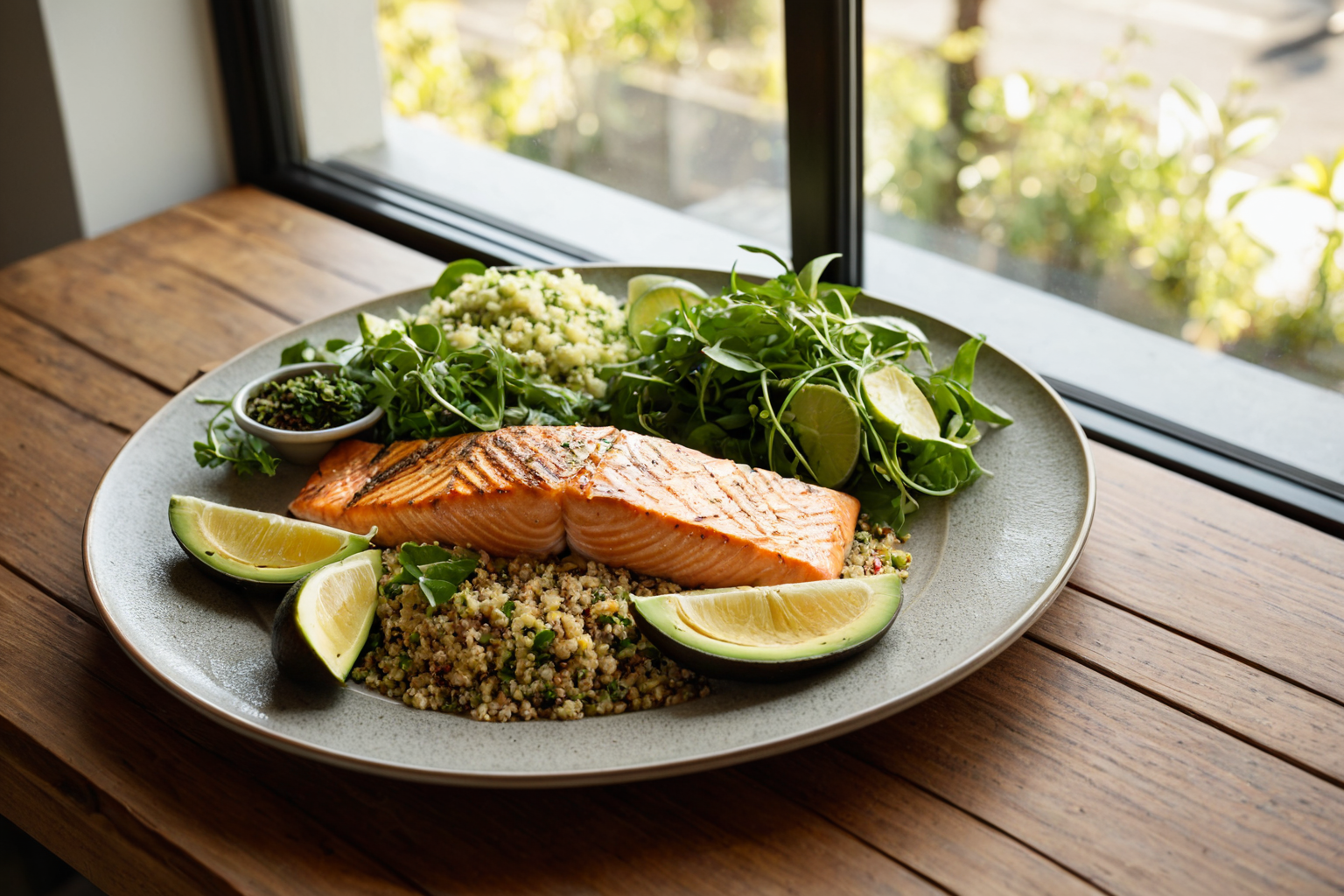
Menopause Weight Loss Food Combination Tips
Weight gain during menopause is caused by hormonal changes and a slower metabolism. Effective food combinations can help reduce body fat. The key is to balance protein, fiber, and healthy fats in your diet. Menopausal women experience a sharp drop in estrogen levels, which affects fat distribution and slows metabolism. Adjusting your diet according to these physiological changes is important.
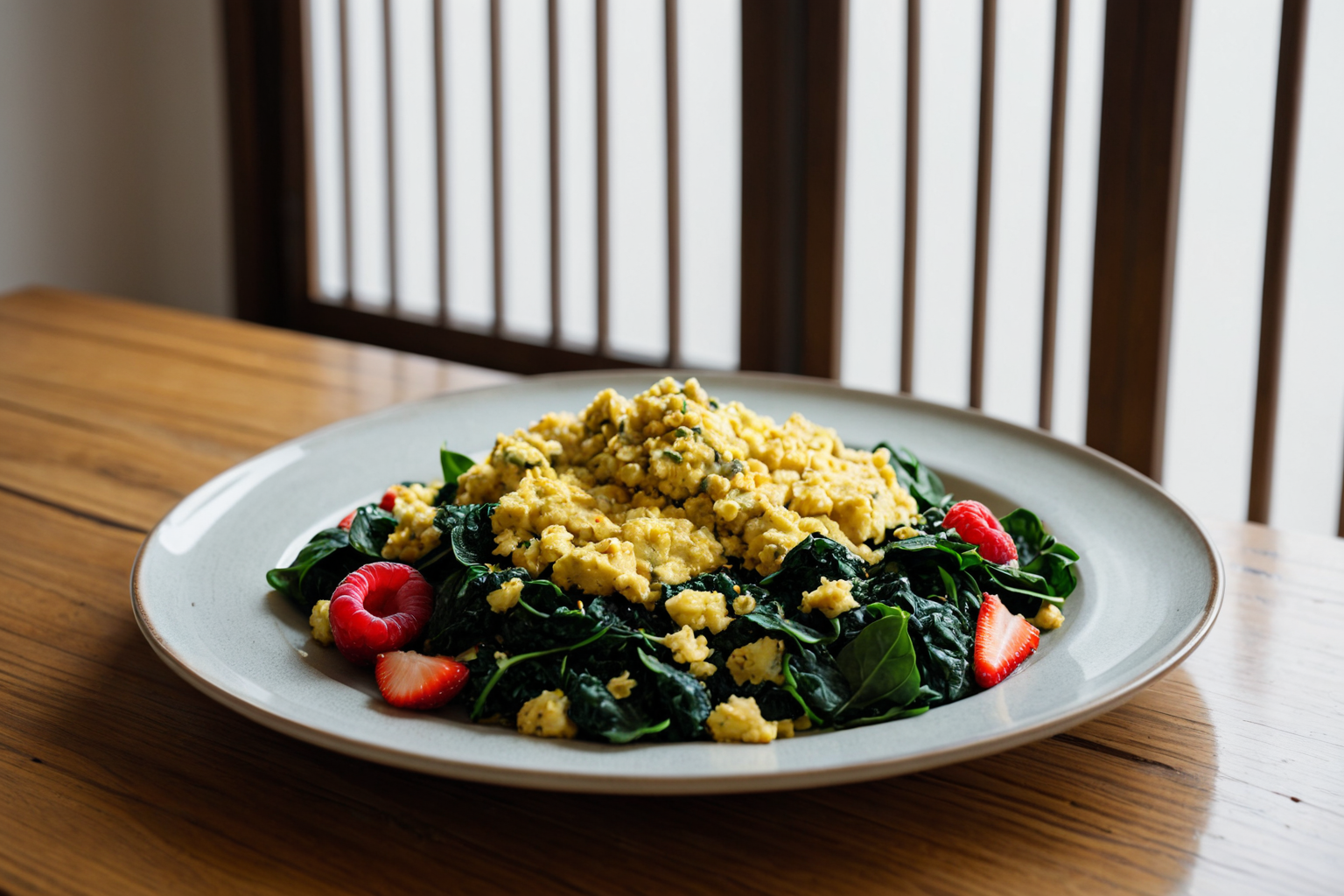
Nutrients Needed for Menopause Weight Loss
The most important nutrient for menopause weight loss is protein. Protein helps maintain muscle and boost metabolism. Fiber provides fullness to prevent overeating, while healthy fats are essential for maintaining hormonal balance. The recommended daily protein intake is 0.8–1g per kg of body weight, with a target of 25–30g of fiber per day. Healthy fats should make up 20–35% of total calories.
Effective 5 Food Combinations
1. Salmon and vegetable salad: Salmon is rich in omega-3 fatty acids, which help reduce inflammation, while vegetable salads are high in fiber. Leafy greens and broccoli, in particular, are rich in antioxidants that can help alleviate menopause symptoms.
2. Tofu and spinach scramble: Tofu provides low-fat protein, and spinach is high in vitamin K and calcium, which help maintain bone density. Menopausal women face a higher risk of osteoporosis, so this combination supports healthy bones.
3. Avocado and coconut oil: Avocado offers healthy fats, while coconut oil contains medium-chain fatty acids that boost metabolism. Medium-chain fatty acids are quickly metabolized in the body for energy and may help improve metabolic speed during menopause.
4. Nuts and fruit: Nuts provide healthy fats and protein, while fruits supply fiber to increase satiety. Almonds and oranges, especially, are rich in vitamin C, which supports immune health.
5. Whole grains and chicken: Whole grains offer complex carbohydrates, and chicken provides lean protein. Whole grains help moderate blood sugar spikes for better weight management, and chicken supplies essential amino acids for muscle maintenance.
Scientific Basis of Food Combinations
Research shows that combining protein and fiber is effective for reducing body fat while maintaining muscle mass. For menopausal women, hormonal changes slow metabolism, so this combination can help improve metabolic rate. Protein intake helps maintain muscle mass, supporting a healthy metabolism and aiding weight loss. Fiber improves gut health and increases fullness to prevent overeating, while healthy fats help regulate cortisol levels, reducing stress-related weight gain.
Important Considerations for Food Combinations
Excessive protein intake can strain the kidneys, so it’s important not to exceed daily recommendations. Overconsumption of fiber may cause digestive issues, so it should be gradually increased. Menopausal women may experience weaker kidney function, so carefully managing protein intake is essential. Gradually increase fiber and drink plenty of water to aid digestion.
Common Misconceptions About Menopause Weight Loss
Menopause weight loss cannot be achieved simply by restricting calories. A diet tailored to hormonal changes combined with exercise is necessary. Also, weight gain during menopause varies greatly among individuals, so avoid setting unrealistic expectations. Many women attempt extreme diets for menopause weight loss, but this can strain the body and lead to further weight gain.
Daily Meal Example
Breakfast: Whole-grain toast with two eggs (whole grains provide complex carbohydrates, eggs supply protein)
Lunch: Chicken salad with whole grains (chicken offers lean protein, whole grains provide fiber)
Dinner: Salmon and vegetable soup (salmon provides omega-3s, vegetables offer fiber)
Additional Tips for Weight Loss
Increase water intake to help flush out toxins, and maintain regular sleep patterns to support hormonal balance. Sleep between 10 PM and 6 AM promotes growth hormone secretion, which aids in fat loss. Stress management is also crucial for preventing menopause-related weight gain. Light activities like meditation or yoga can help reduce stress.
Important Information to Verify
Menopause weight loss food combinations may vary based on individual health conditions and hormone levels. Consulting a healthcare provider for a personalized diet plan is recommended. Menopausal women should regularly monitor blood pressure, blood sugar, and cholesterol levels, as these can inform dietary adjustments.
Frequently Asked Questions
What foods are most effective for menopause weight loss?
Salmon, tofu, avocado, and other protein- and healthy fat-rich foods are effective.
Can food combinations help with menopause weight loss?
Yes, a balanced combination of protein, fiber, and healthy fats can support body fat reduction.
What should be avoided when trying to lose weight during menopause?
Avoid excessive protein and fiber intake, and consult a healthcare provider for personalized dietary planning.
You can view similar articles in one place.
View Related ArticlesFAQ
What foods are most effective for menopause weight loss?
Salmon, tofu, avocado, and other protein- and healthy fat-rich foods are effective.
Can food combinations help with menopause weight loss?
Yes, a balanced combination of protein, fiber, and healthy fats can support body fat reduction.
What should be avoided when trying to lose weight during menopause?
Avoid excessive protein and fiber intake, and consult a healthcare provider for personalized dietary planning.
Korean Source
This article is an English localization of a Korean-language report from BlogScore. Original: 갱년기 체중 감량에 효과적인 식품 조합 5가지