
4th Quarter Electricity Bill Freeze: Practical Energy-Saving Guide

4th Quarter Electricity Bill Freeze: Government Energy-Saving Measures
Korea Electric Power Corporation (KEPCO) has decided to freeze electricity rates for the fourth quarter. This means electricity prices have not increased for six consecutive quarters since last year's third quarter. To encourage energy conservation, the government has provided practical guides applicable in daily life, while industrial electricity rates were raised by 9.7%.
The electricity rate freeze policy began at the end of last year as a measure to balance KEPCO's financial burden and reduce consumer costs. Specifically, tips for managing refrigerators and avoiding unnecessary air conditioning use during summer have been promoted to curb energy consumption.
Practical Energy-Saving Guide
It is recommended to fill freezers completely and maintain appropriate levels in refrigerators. Closing refrigerator doors to prevent cold air loss is also advised. When leaving home, turning off air conditioning and using natural ventilation can be effective.
In reality, practicing a 10% reduction in energy use compared to last year can lower average monthly electricity bills by about ₩1,000. This provides tangible benefits for consumers, which the government actively promotes.
Industrial Electricity Rate Increase and Response
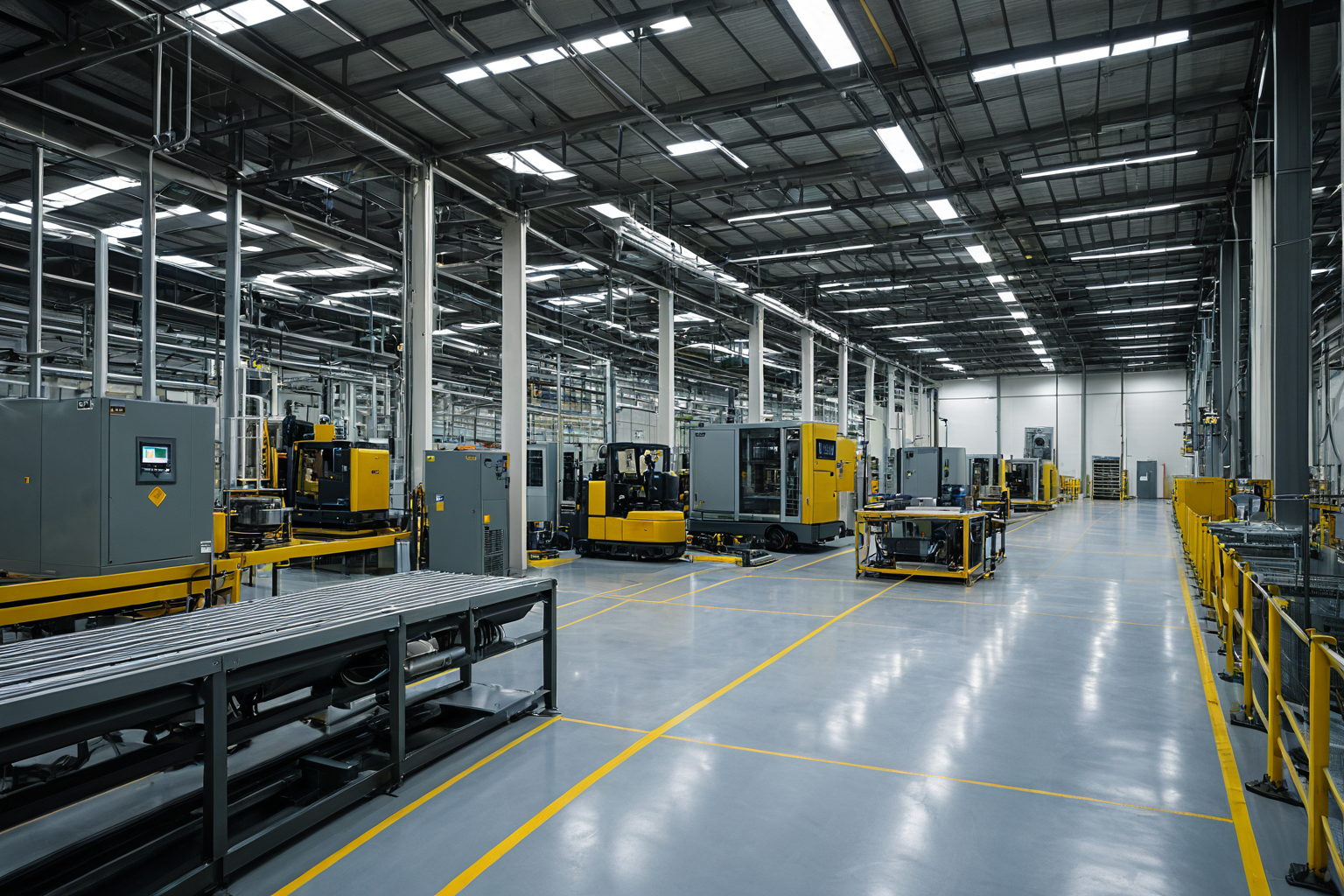
Industrial electricity rates increased by 9.7%, with about four out of ten manufacturing companies reviewing changes to their power procurement methods. Large corporations are expanding energy-saving facilities in line with carbon neutrality policies.
Specifically, due to the rise in industrial electricity costs, many manufacturers have begun adopting efficient equipment such as 'dual-compression inverter compressors' to reduce energy consumption. This is expected to improve overall energy efficiency across industries.
KEPCO's Financial Burden and Electricity Rate Increase Challenges
Reports indicate KEPCO would struggle to cover its losses even if it raised electricity rates for a full year. Given KEPCO's worsening financial situation, further rate increases next year are unlikely, prompting the government to seek ways to reduce consumer burdens across different sectors.
South Korea consumes more electricity than Japan and Germany, leading some analysts to conclude that the era of 'cheap electricity' has ended. Balancing KEPCO's financial stability with reducing consumer costs has become a key challenge.
Second-Half Electricity and Gas Rate Freeze Policy
Electricity and gas rates are expected to remain frozen in the second half of the year, similar to last year's policy aimed at encouraging energy conservation.
To address 'air conditioning cost bombs,' the government provides guides like 'Power Planner' with practical tips on refrigerator management and air conditioner usage that can be applied immediately in daily life.
Government Policy Dilemma
The government faces a dilemma between raising electricity rates to improve KEPCO's finances and avoiding additional burden on consumers. While KEPCO needs to resolve its losses, the government is postponing rate increases to protect consumers.
KEPCO expects no further electricity rate increases until Q3 2026, with projections suggesting a return to profitability during this period. However, the government continues exploring ways to reduce consumer burdens across different sectors.
Energy-Saving Effects and Implications
A 10% reduction in energy use compared to last year results in an average monthly savings of ₩1,000 on electricity bills. This not only benefits consumers but also helps alleviate KEPCO's financial pressures.
Energy conservation is linked to environmental protection and carbon neutrality policies. Large corporations are expanding energy-saving facilities, which is expected to drive efficiency improvements across the industrial sector.
Key Information to Verify
The government and KEPCO have implemented a fourth-quarter electricity rate freeze, marking six consecutive quarters of no increase since last year's third quarter. Industrial electricity rates rose by 9.7%, while large corporations are expanding energy-saving facilities to reduce their burden.
Due to KEPCO's financial challenges, further electricity price increases next year are unlikely, with the government actively seeking sector-specific measures to ease consumer costs. Notably, a 10% reduction in energy use compared to last year can save consumers approximately ₩1,000 per month.
Frequently Asked Questions
Why was the fourth-quarter electricity rate frozen?
The decision balances KEPCO's financial burden and reduces consumer costs. Reports indicate KEPCO would struggle to cover its losses even if it raised rates for a full year, so the focus is on encouraging energy conservation instead of increasing prices.
Why were industrial electricity rates increased by 9.7%?
To distribute the burden from rising energy use in manufacturing, industrial electricity rates were raised. As a result, about four out of ten manufacturing companies are reviewing changes to their power procurement methods.
How much can consumers save through energy conservation?
A 10% reduction in energy use compared to last year results in an average monthly savings of approximately ₩1,000 on electricity bills. This is achieved through practical guides that provide immediate actionable tips for daily life.
Frequently Asked Questions
The fourth-quarter electricity rate freeze policy aims to balance KEPCO's financial burden and reduce consumer costs, with practical energy-saving guides focusing on freezer management and refrigerator usage. Industrial electricity rates increased by 9.7%, while large corporations are expanding energy-saving facilities.
Due to KEPCO's financial challenges, further electricity price increases next year are unlikely, with the government seeking sector-specific solutions. A notable benefit is that a 10% reduction in energy use compared to last year saves consumers about ₩1,000 per month.
You can find similar articles all in one place.
View Related ArticlesFAQ
Why was the fourth-quarter electricity rate frozen?
The decision balances KEPCO's financial burden and reduces consumer costs. Reports indicate KEPCO would struggle to cover its losses even if it raised rates for a full year, so the focus is on encouraging energy conservation instead of increasing prices.
Why were industrial electricity rates increased by 9.7%?
To distribute the burden from rising energy use in manufacturing, industrial electricity rates were raised. As a result, about four out of ten manufacturing companies are reviewing changes to their power procurement methods.
How much can consumers save through energy conservation?
A 10% reduction in energy use compared to last year results in an average monthly savings of approximately ₩1,000 on electricity bills. This is achieved through practical guides that provide immediate actionable tips for daily life.
Korean Source
This article is an English localization of a Korean-language report from BlogScore. Original: 4분기 전기요금 동결, 에너지 절약을 위한 실천 가이드