
4th Quarter Electricity Bill Freeze: 5 Energy-Saving Tips for South Korea
4th Quarter Electricity Bill Freeze: Six Consecutive Quarters Since Last Year's Third Quarter
Korea Electric Power Corporation (KEPCO) has frozen electricity rates for the fourth quarter of 2024, maintaining the rate since the third quarter of last year. This means the policy has been in place continuously since September 2022, following a previous increase in electricity and gas prices. KEPCO is keeping the fuel cost adjustment factor at 5 won per unit while suggesting specific energy-saving methods.
Energy Saving: Filling Freezers Fully and Strategic AC Use When Out
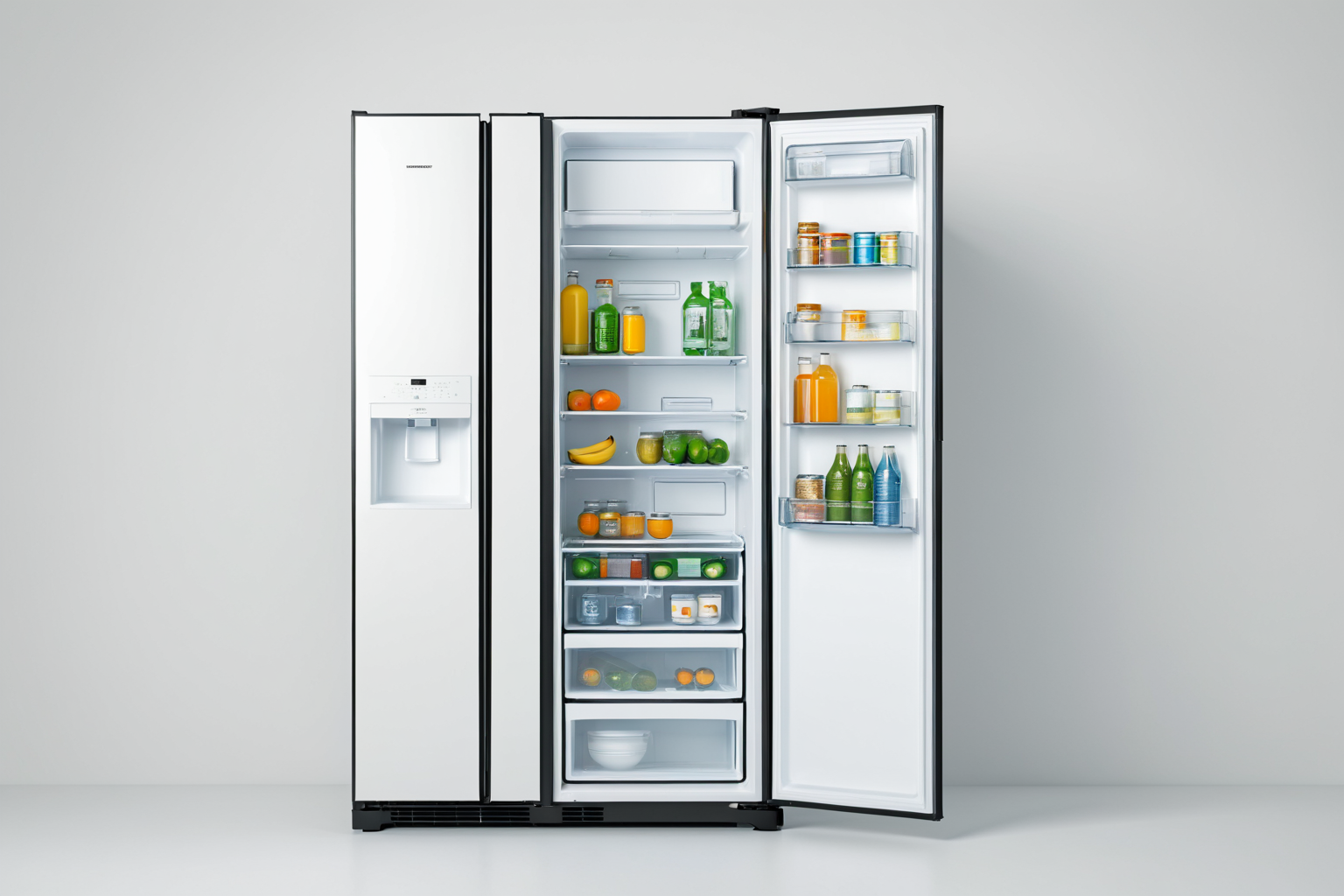
Filling freezers completely helps minimize heat loss, improving efficiency. For refrigerators, it's best to fill the fridge compartment only to an appropriate level and reduce unnecessary door openings. When leaving home, turning off air conditioners is recommended, and maintaining indoor temperatures above 26°C can help save energy.
Industrial Electricity Bill Burden: Manufacturing Industry Responses
Due to the burden of industrial electricity bills, four out of ten manufacturing companies are considering reducing reliance on KEPCO. This reflects how the electricity rate freeze policy is impacting industry. Some companies are exploring building their own power facilities or adopting renewable energy.
2030 Greenhouse Gas Reduction Target and Renewable Energy Transition
The Yoon Suk Yeol government has set a target to reduce greenhouse gas emissions in the water supply sector by 50% by 2030. This goal aligns with efforts to promote renewable energy transition, as part of broader environmental protection measures. Energy saving is not just about cost reduction but also contributes to protecting the environment.
Energy Saving Effect: 10% Less Usage Reduces Monthly Bill by 1,000 Won
If you reduce electricity consumption by 10% compared to last year, your average monthly bill will decrease by approximately 1,000 won. This highlights the effectiveness of tools like 'Power Planner,' which helps analyze and manage power usage patterns.
Optimizing Energy Saving: Managing Open Spaces and AC Usage
To prevent 'open-air cooling' (leaving doors or windows open), it's important to minimize open spaces. When windows or doors are left open, indoor temperatures match outdoor conditions, reducing air conditioner efficiency. Keeping the temperature above 26°C and minimizing open areas is recommended.
Continuity of Electricity Rate Freeze Policy and Industrial Impact
KEPCO has frozen electricity rates for the fourth quarter of 2024, continuing a policy that began in the third quarter of 2023. More manufacturing companies are considering building their own power facilities or adopting renewable energy due to the burden of industrial electricity costs.
Linking Electricity Policy with 2030 Greenhouse Gas Reduction Goals
The target to reduce greenhouse gas emissions in water and sewage sectors by 50% by 2030 is directly linked to energy-saving initiatives and the transition to renewable energy. This policy aims for broader energy management and environmental protection, going beyond just freezing electricity rates.
Energy Saving Tool: How to Use Power Planner
'Power Planner' is a tool that analyzes power consumption patterns and identifies areas where savings can be made. Using this tool helps improve energy efficiency for households or businesses. Reducing usage by 10% or more can lead to an average monthly saving of about 1,000 won.
Energy Saving and Environmental Protection: Strengthening the Connection
Energy conservation goes beyond cost savings—it also supports environmental protection. Achieving the 2030 greenhouse gas reduction target requires efficiency efforts from both households and businesses. The electricity rate freeze policy provides a supportive framework for these initiatives.
Responding to Electricity Bill Increases: 10% Savings Reduce Monthly Bills by 1,000 Won
A 10% reduction in electricity usage compared to last year can lower your average monthly bill by about 1,000 won. This demonstrates the tangible benefits of energy-saving measures and highlights the importance of using tools like 'Power Planner' to analyze and manage consumption patterns.
Optimizing Energy Saving: Freezer and Fridge Management
For freezers, it's best to fill them completely to minimize heat loss. Refrigerators should be filled only to an appropriate level, with unnecessary door openings minimized. Maintaining indoor temperatures above 26°C also helps save energy.
Manufacturing Industry Response to Industrial Electricity Costs
Four out of ten manufacturing companies are considering reducing reliance on KEPCO due to high industrial electricity costs. This includes exploring building their own power facilities or adopting renewable energy, reflecting broader changes in energy policy.
Electricity Policy for Achieving 2030 Greenhouse Gas Reduction Goals
The Yoon Suk Yeol government has set a target to reduce greenhouse gas emissions by 50% in the water and sewage sectors by 2030. Alongside this, efforts are underway to promote renewable energy transition, aiming to achieve both energy savings and environmental protection.
KEPCO's fourth-quarter electricity rate freeze policy, which has been ongoing since the third quarter of 2023, impacts both industries and households. The combination of energy-saving methods with this policy supports broader environmental goals.

Energy Efficiency: Temperature Control and Window Management
Maintaining indoor temperatures above 26°C and leaving windows open can lead to energy waste. Therefore, optimizing air conditioner settings and minimizing the opening of windows and doors is important for saving energy.
Using Energy-Saving Tools: Power Planner Guide
'Power Planner' analyzes power consumption patterns to identify savings opportunities. It helps households and businesses improve their energy efficiency.
Linking Energy Saving with Greenhouse Gas Reduction Targets
Energy saving contributes to achieving the 50% reduction in greenhouse gas emissions by 2030 for water and sewage sectors. This reflects a comprehensive approach that combines electricity rate freezes with environmental protection efforts.
Practical Energy Saving Effect: 10% Reduction Saves 1,000 Won Monthly
A 10% reduction in electricity usage compared to last year results in an average monthly bill decrease of about 1,000 won. This demonstrates the tangible benefits of energy-saving measures and emphasizes using tools like 'Power Planner' for consumption analysis.
Industrial Electricity Costs and Manufacturing Responses
Four out of ten manufacturing companies are considering reducing reliance on KEPCO due to high industrial electricity costs, exploring options such as building their own power facilities or adopting renewable energy.
Necessary Comprehensive Approach: Energy Saving and Environmental Protection
Energy saving is not just about cost reduction—it also supports environmental protection. Achieving the 2030 greenhouse gas emission target requires efficiency efforts from both households and businesses.
Frequently Asked Questions
Does reducing usage by 10% lower monthly bills by 1,000 won?
Yes, a 10% reduction in electricity consumption compared to last year results in an average monthly bill decrease of approximately 1,000 won.
How should freezers be managed for energy savings?
Fill freezers completely to minimize heat loss. For refrigerators, fill only to the appropriate level and reduce unnecessary door openings.
How are manufacturing companies responding to high industrial electricity costs?
Four out of ten manufacturing companies are considering reducing reliance on KEPCO by building their own power facilities or adopting renewable energy.
You can find more articles on similar topics in one place.
View Related ArticlesFAQ
Does reducing usage by 10% lower monthly bills by 1,000 won?
Yes, a 10% reduction in electricity consumption compared to last year results in an average monthly bill decrease of approximately 1,000 won.
How should freezers be managed for energy savings?
Fill freezers completely to minimize heat loss. For refrigerators, fill only to the appropriate level and reduce unnecessary door openings.
How are manufacturing companies responding to high industrial electricity costs?
Four out of ten manufacturing companies are considering reducing reliance on KEPCO by building their own power facilities or adopting renewable energy.
Korean Source
This article is an English localization of a Korean-language report from BlogScore. Original: 4분기 전기요금 동결, 에너지 절약 방법 5가지