
4 Effective Indoor Exercises to Relieve Back Pain
Indoor Exercises for Back Pain Relief
Back pain can significantly disrupt daily life, but strengthening muscles through proper indoor exercises can help alleviate discomfort. It's important to prioritize conservative treatment and avoid unnecessary surgery.
Dance, cycling, and excessive weight training can strain the back, so caution is advised. Exercising indoors consistently, even during cold weather, helps maintain overall health.
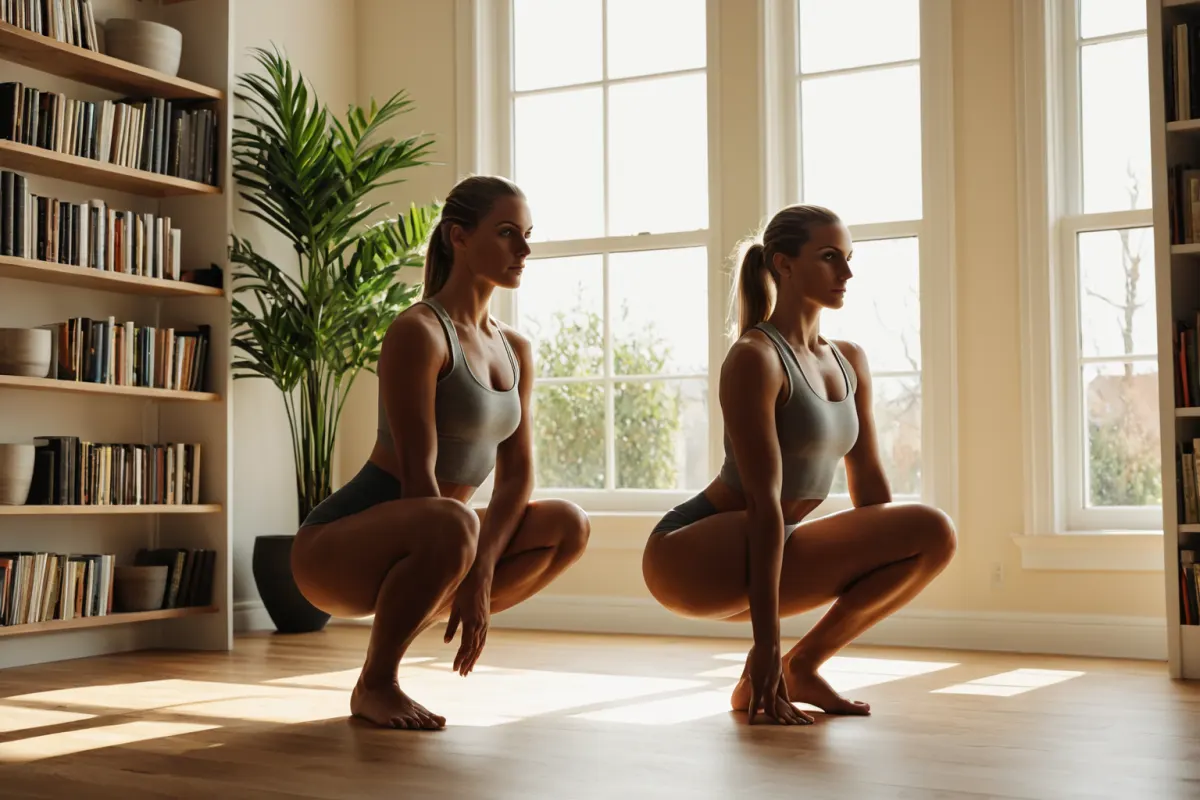
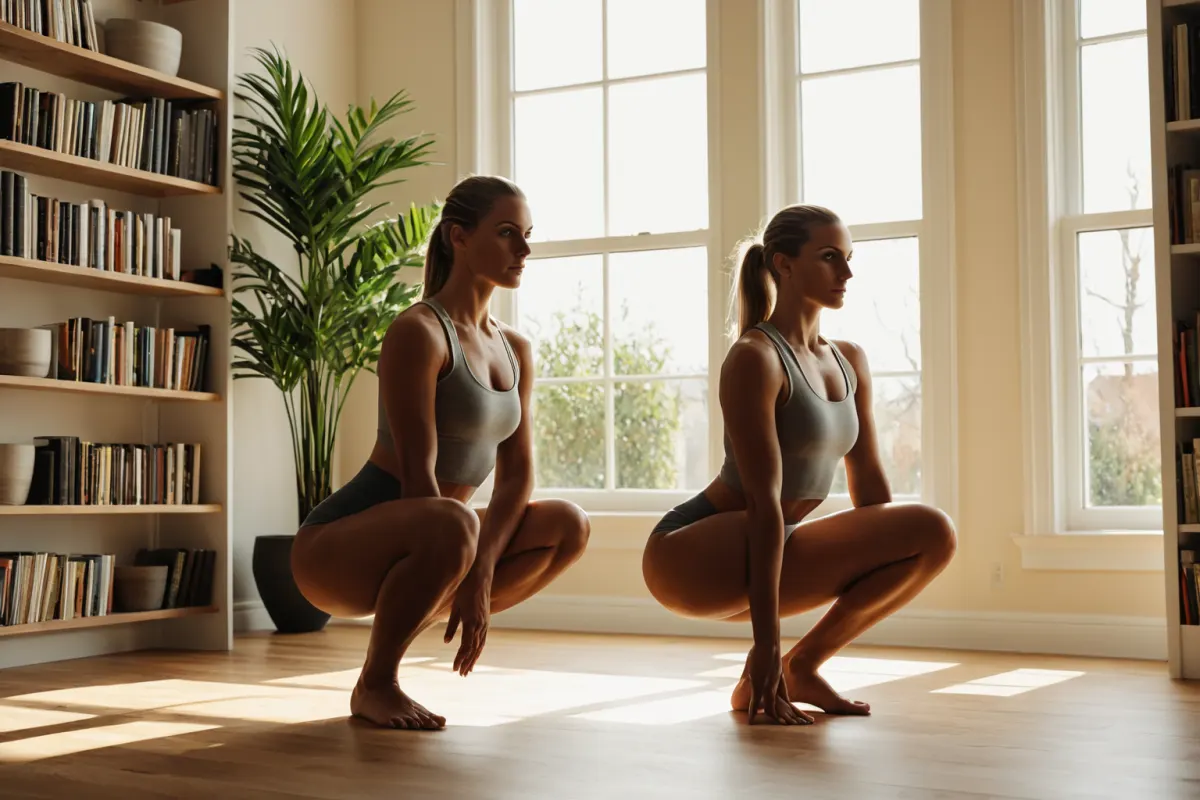
Squats: Strengthening Lower Back Muscles
Squats target thigh and glute muscles, building strength that supports the lower back. Perform by standing with slightly bent knees, slowly lowering your body, then rising back up.
If pain occurs after exercise, it may be delayed onset muscle soreness (DOMS), a normal part of recovery from micro-tears. This typically subsides with rest. DOMS is characterized by widespread discomfort deep within muscles, which feels better when resting but worsens with movement.
Planks: Strengthening Core Muscles
A plank involves holding your body in a straight line supported by hands and toes. This strengthens core muscles around the spine, stabilizing it to reduce pain.
Beginners should start with 10-15 seconds, gradually increasing time. Avoid over-bending the lower back, as this can increase strain. Proper form requires engaging abdominal and gluteal muscles to support the spine.
Yoga: Improving Flexibility and Balance
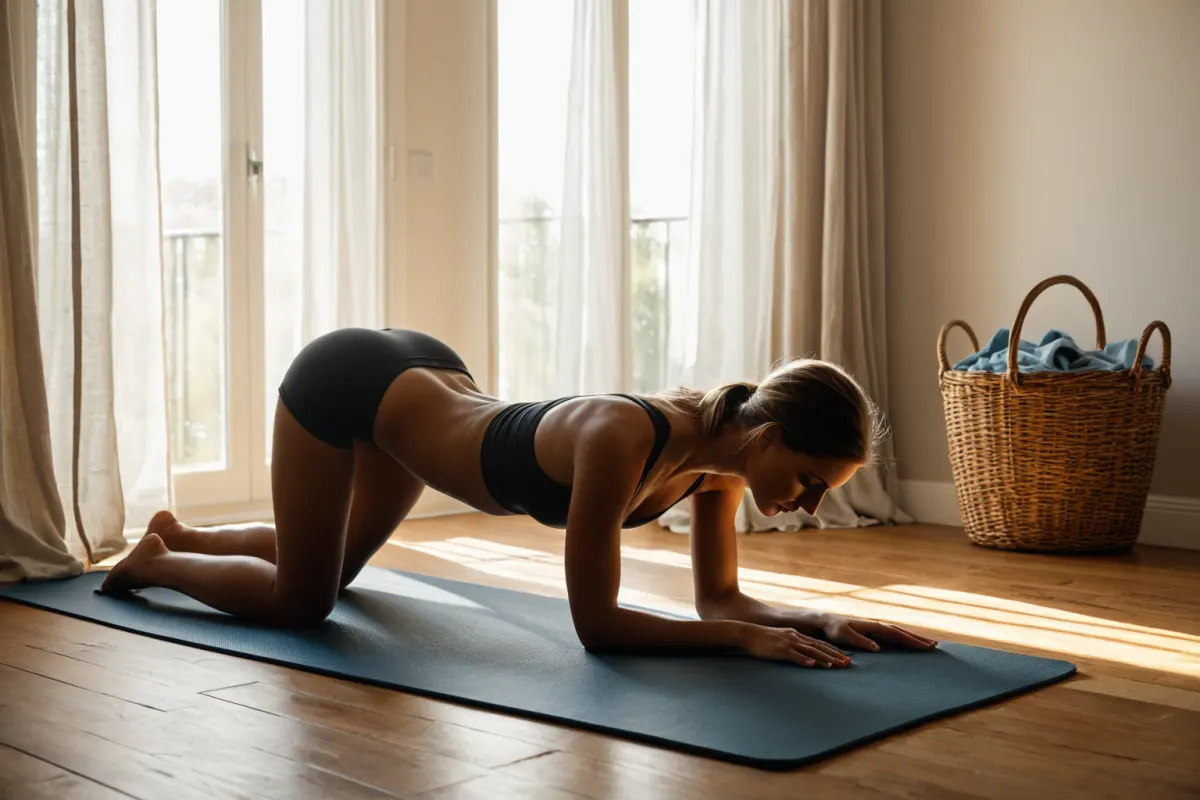
Yoga enhances flexibility and spinal mobility through breathing-focused movements. The 'Cat-Cow' pose, in particular, gently moves the spine to relieve pain.
This indoor-friendly practice can be done easily at home. If joint pain occurs after exercise, inflammation may be present, requiring prompt treatment. Joint pain typically has a clear location and needs immediate attention if inflammation is suspected.
Swimming (Indoor Pool): Low-Impact Cardio
Swimming minimizes spinal impact while building strength, making it ideal for those with back pain. An indoor pool allows consistent exercise regardless of weather conditions.
Unlike other cardio exercises, swimming doesn't strain the lower back, making it particularly suitable for individuals experiencing discomfort. It can also help alleviate stiffness and tightness in connective tissue related to muscle dysfunction.
Frequently Asked Questions
What should I do if muscle soreness is severe after exercise?
Delayed onset muscle soreness (DOMS) is a normal recovery process. Resting, taking warm baths, or gentle stretching can help alleviate symptoms.
Does dancing worsen back pain?
Dance movements can strain the lower back and should be approached with caution, especially complex motions that may stress the spine. Those experiencing back pain are advised to avoid dance routines.
What side effects might excessive weight training cause?
Overdoing weight training can lead to back and neck pain. Always start with proper form and gradually increase intensity.
References
- [Medical Column] Managing Lumbar Spinal Stenosis with 'Mepoets' (www.kookje.co.kr)
- Exercising Caused Knee Pain? Avoid These Exercises vs. Helpful Ones (kormedi.com)
- [Exercise, Do] Why Is It Hard to Choose Bicycle Types? Beginner's Guide to... (theopiniontimes.news)
Find similar articles in one convenient place.
View Related ArticlesFAQ
What should I do if muscle soreness is severe after exercise?
Delayed onset muscle soreness (DOMS) is a normal recovery process. Resting, taking warm baths, or gentle stretching can help alleviate symptoms.
Does dancing worsen back pain?
Dance movements can strain the lower back and should be approached with caution, especially complex motions that may stress the spine. Those experiencing back pain are advised to avoid dance routines.
What side effects might excessive weight training cause?
Overdoing weight training can lead to back and neck pain. Always start with proper form and gradually increase intensity.
Korean Source
This article is an English localization of a Korean-language report from BlogScore. Original: 허리 통증 개선에 도움되는 실내 운동 추천 4가지