
3 Ways to Understand the Flow of Energy Through Psychological Interpretation
3 Ways to Understand the Flow of Energy Through Psychological Interpretation
1. Environmental Psychology: The Relationship Between Space Layout and Emotional Stability
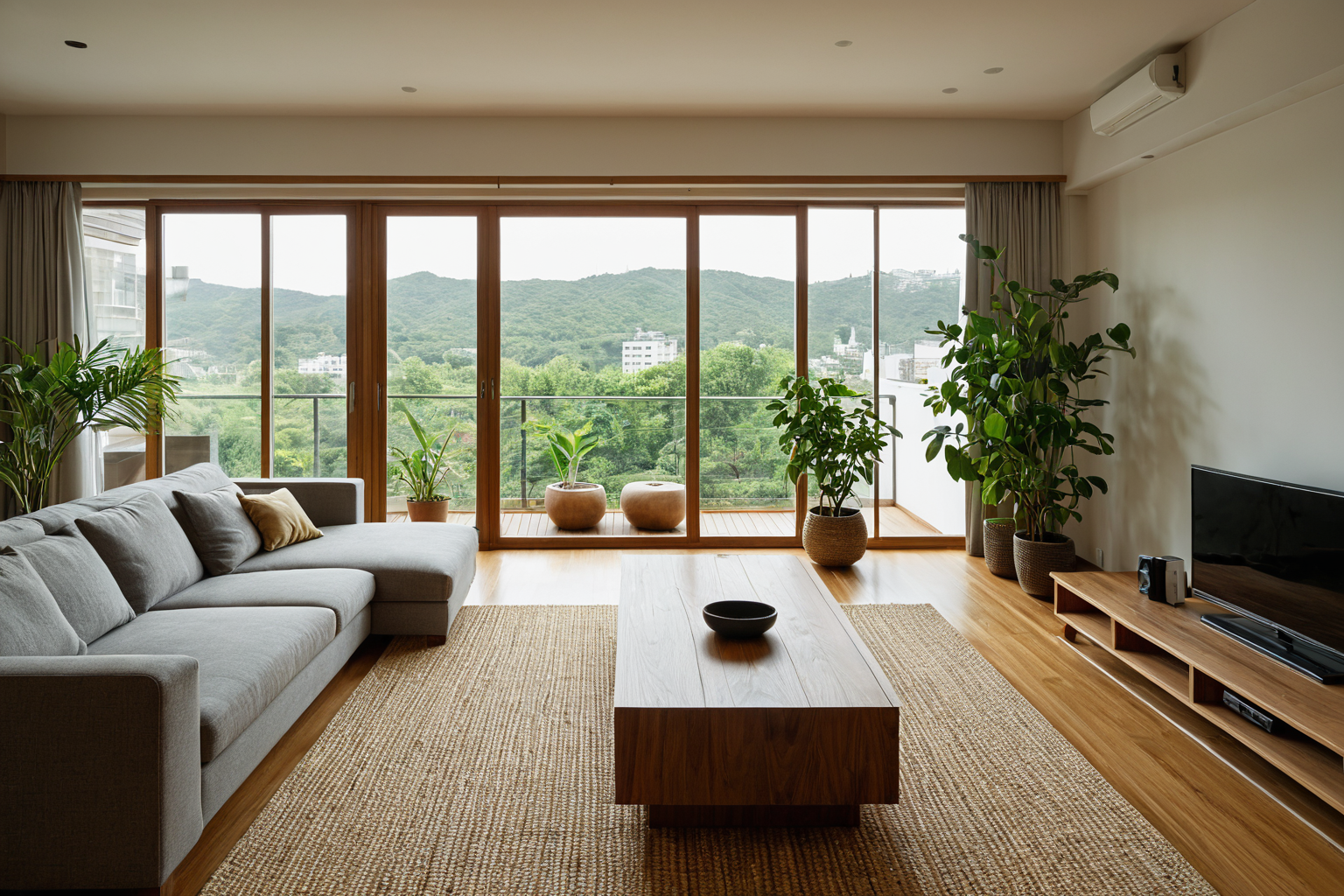
Environmental psychology studies how humans respond to spaces, providing a scientific framework for interpreting feng shui. Recent research has confirmed that elements like room layout, lighting, and color directly impact psychological well-being. For example, spaces with large windows allowing ample natural light have been shown to reduce feelings of depression and encourage positive thinking. This demonstrates how the concept of 'energy flow' in feng shui can be explained from an environmental psychology perspective.
Specifically, studies consistently show that a space's 'openness' and 'density' affect emotional states. Open spaces may evoke freedom but excessive openness can increase anxiety. Conversely, appropriately dense spaces provide stability and a sense of belonging, which aligns with the feng shui interpretation of smooth energy flow. For instance, if doors and windows in a room face each other directly, it's believed to block energy flow, potentially causing unease.
2. Interior Design Trends and Emotional Effects
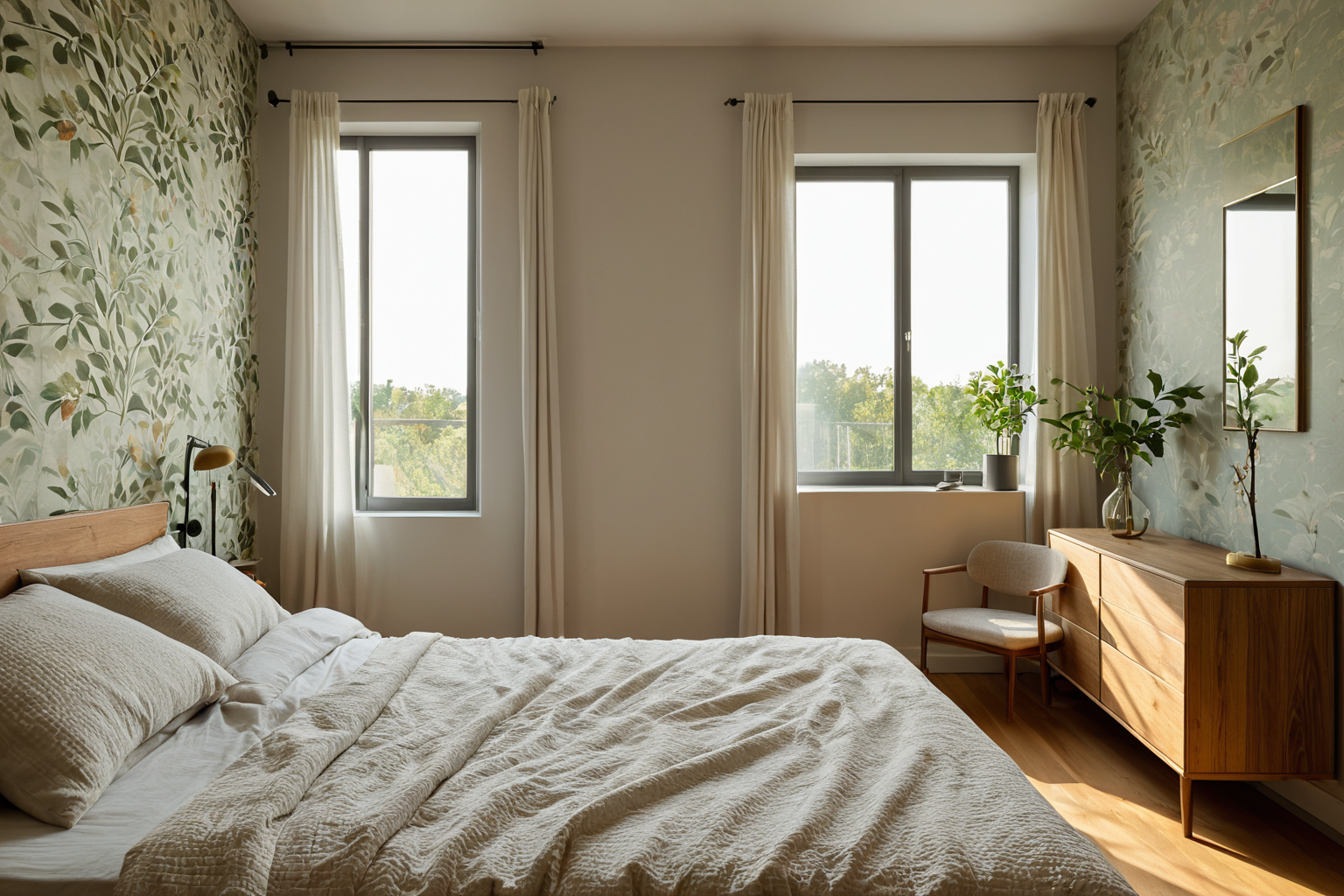
In interior design, 'the law of bedroom decoration that brings good fortune' has gained attention. This goes beyond folk belief, offering practical advice based on psychological research. For example, positioning beds so they don't face doors directly reduces anxiety and promotes restful sleep—a scientifically supported practice. Additionally, choosing light pastel colors for rooms has been linked to reduced stress and emotional stability according to studies.
One recommended practice is placing a wall behind the head of the bed, which creates a psychological sense of protection from behind—reducing anxiety and enhancing stability. Furthermore, excessive use of electronic devices in bedrooms correlates with poorer sleep quality, making it important to minimize such usage. Research indicates that warm-toned lighting in bedrooms improves sleep quality.
3. Floral Wallpaper: Psychological Effects of Aesthetic Elements
A recent interior design trend is floral wallpaper, symbolizing 'good fortune' and chosen by many people. This isn't just decorative; it's explained through environmental psychology. Flowers represent natural beauty, and incorporating them into spaces can evoke positive emotions. Studies show that floral patterns calm the eyes and lower stress levels. Specifically, lilac or rose patterns promote peace and stability, aligning with folk interpretations of 'good fortune' entering a space.
The psychological effects of floral wallpaper vary by type. For instance, simple poppy patterns energize, while elegant rose designs emphasize stability and grace. The brightness and color combinations also matter: overly bright colors can be stimulating and increase anxiety, so choosing moderate brightness with harmonious colors is recommended—a finding based on psychological research into how color affects emotion.
Practical Applications of Psychological Energy Flow
Many people have already applied these principles to their interiors. For example, a resident in Gangnam, Seoul, reported improved sleep quality and reduced stress after replacing bedroom wallpaper with floral patterns. In Gyeonggi Province, an office increased employee productivity by 20% by installing larger windows and maximizing natural light. These cases demonstrate how psychological interpretations can be applied to real life.
Another example is a cafe in Busan that used floral wallpaper, resulting in higher customer satisfaction. This was analyzed as a result of the psychological effects, with customers feeling more comfortable and staying longer—a testament to interior design's emotional impact. Similarly, at a housing exhibition in Gwangju, a 'good fortune bedroom' themed space attracted significant visitor interest.
Future Outlook and What Readers Should Note
Future interior design trends are expected to develop further based on psychological research. For instance, if tools for scientifically measuring energy flow become available, personalized interior advice could be offered. Key points readers should note include: First, consider personal preferences when applying environmental psychology principles. Second, verify scientific evidence rather than relying solely on folk beliefs. Third, consult professionals to determine the optimal space layout during renovations.
Future research directions include more detailed analysis of how spatial design affects emotional responses—such as measuring which colors trigger specific emotions or how window size impacts sleep quality. These findings will further develop through collaboration between interior design and psychology fields.
FAQ
Q: Is feng shui the same as environmental psychology?
A: Feng shui originated from folk beliefs but can be interpreted through a modern psychological lens. Environmental psychology is a scientific discipline studying the relationship between spaces and emotions.
Q: Why do people say floral wallpaper brings 'good fortune'?
A: Flowers symbolize natural beauty, and incorporating them into spaces evokes positive emotions—scientifically proven to align with folk interpretations of 'good fortune' entering a space.
Q: I applied the 'good fortune bedroom' principles but saw no effect?
A: Effects may vary based on individual psychological states and environmental factors. It's recommended to consult professionals or start with small changes.
You can view similar articles in one place.
View Related ArticlesFAQ
Is feng shui the same as environmental psychology?
Feng shui originated from folk beliefs but can be interpreted through a modern psychological lens. Environmental psychology is a scientific discipline studying the relationship between spaces and emotions.
Why do people say floral wallpaper brings 'good fortune'?
Flowers symbolize natural beauty, and incorporating them into spaces evokes positive emotions—scientifically proven to align with folk interpretations of 'good fortune' entering a space.
I applied the 'good fortune bedroom' principles but saw no effect?
Effects may vary based on individual psychological states and environmental factors. It's recommended to consult professionals or start with small changes.
Korean Source
This article is an English localization of a Korean-language report from BlogScore. Original: 심리학적 해석으로 기운 흐름을 이해하는 3가지 방법