
3 Essential Tips to Avoid Harmful Substances in Fake Cosmetics When Shopping
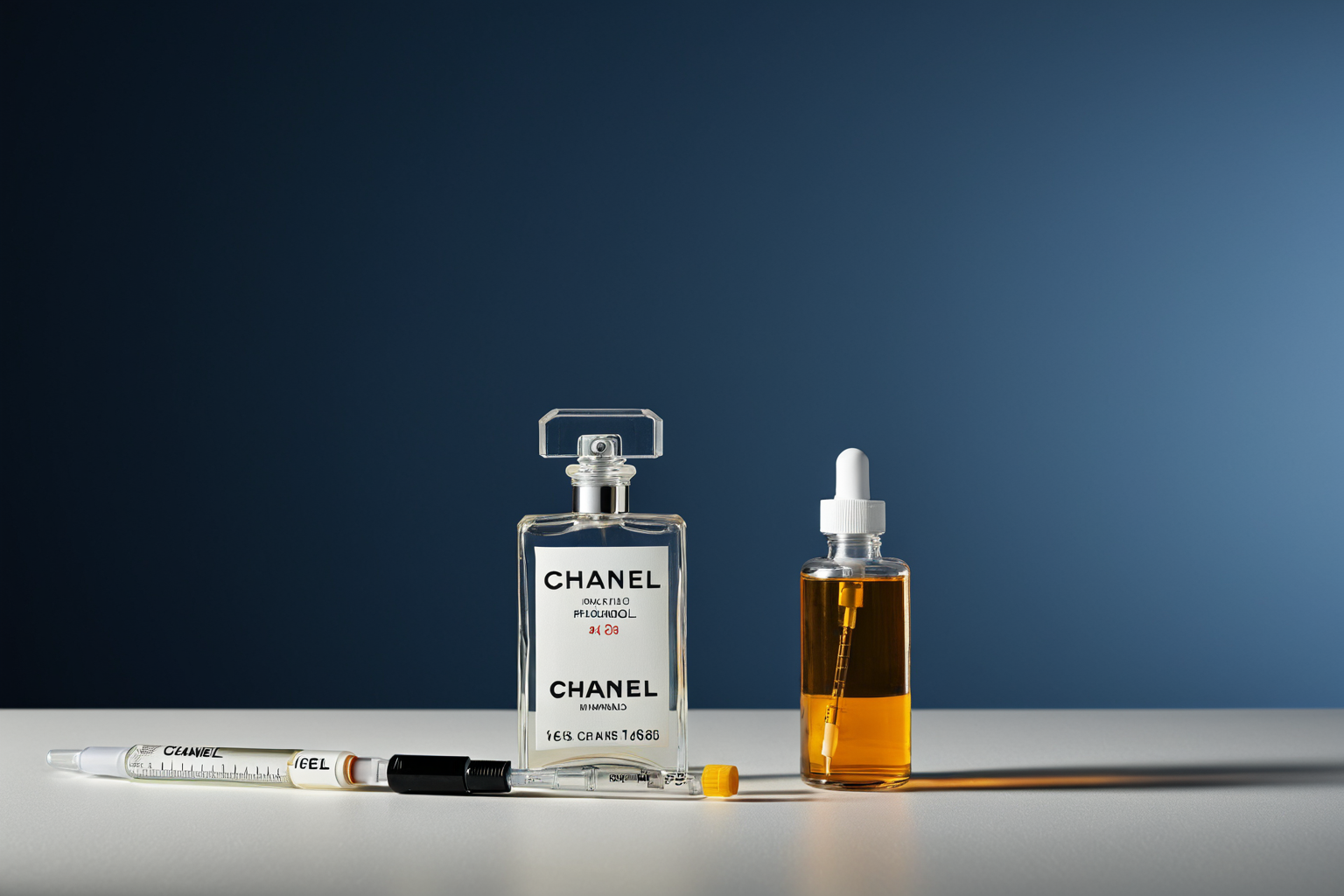
Detected Harmful Substances in Counterfeit Cosmetics
According to a recent report by the Consumer Agency, methanol was detected at up to 484 times the permissible limit in counterfeit luxury perfumes. This level poses serious health risks, including potential vision loss. The increasing sale of low-cost counterfeit products through social media platforms has led to the circulation of harmful substances.
Counterfeit cosmetics have been found to contain hazardous materials such as methanol and lead, far exceeding safety standards. These products, including lipsticks and perfumes, pose significant health risks to consumers. In particular, products shaped like artificial tear containers have prompted a safety alert due to their deceptive appearance.
Current Status of Harmful Substance Detection
Reports from the Consumer Agency and media indicate that methanol levels in counterfeit cosmetics reached up to 484 times the standard. This was found in imitation products of well-known brands like Chanel perfumes and Dior lipsticks. Specifically, counterfeit luxury perfumes were found to contain methanol at 484 times the permissible level, which can cause vision loss and other health issues.
Methanol is a harmful substance that can cause vision loss or poisoning if ingested in excess. The detection of methanol at 484 times the standard in counterfeit cosmetics highlights a severe situation with direct health risks to consumers.
Additionally, hazardous substances like lead were found exceeding safety limits. Lead can cause nerve damage and allergic reactions, particularly posing greater risks to children and pregnant women. Consumers should be cautious when purchasing counterfeit cosmetics containing such harmful materials.
Distribution Channels and Issues
Social media platforms are increasingly used to sell low-cost counterfeit cosmetics, which can be very tempting for consumers. However, these products often contain hazardous substances that pose serious health risks. Products designed to look like artificial tear containers make it difficult for consumers to verify authenticity.
The Consumer Agency is closely monitoring the distribution channels of such counterfeit products. The low-price sales through social media platforms allow easy access to fake branded items, and many consumers remain unaware of potential health issues. Therefore, purchasing from trusted channels is crucial.
A safety alert has been issued regarding similar container designs. Consumers should be cautious when buying cosmetics that resemble artificial tear containers, as it becomes difficult to verify authenticity and exposes consumers to health risks.
Cause Analysis
The main reason for the circulation of counterfeit cosmetics is low-cost sales and brand imitation. Especially, products imitating well-known brands are frequently sold at low prices through social media, which can be tempting but poses serious health risks.
Harmful substances like methanol and lead are synthetic chemicals that may be used in cheap product manufacturing to reduce costs. This often occurs when substandard materials are used to avoid regulations. In particular, manufacturers tend to use hazardous materials to cut production costs.
Changes in consumer purchasing patterns also contribute to the problem. When consumers prefer to buy branded products at low prices, the circulation of counterfeit goods increases. While this may seem economically appealing, it ultimately causes significant harm to consumers over time.
Safety Information and Response Measures
Given the reports of harmful substances in counterfeit cosmetics, caution is necessary when purchasing. It is important to buy from trusted channels and verify brand certification marks. Especially, products sold at low prices through social media should be purchased with caution.
If counterfeit cosmetics containing methanol or lead are used, they can cause health issues such as vision loss or allergic reactions. Therefore, checking product ingredients and purchasing from reputable brands is recommended.
The Consumer Agency provides information on harmful substance detection cases and offers advice for safe purchases. Specifically, products resembling artificial tear containers require special attention, as it becomes difficult to verify authenticity, exposing consumers to health risks.
Information to Verify
It is important to check whether harmful substances are present when purchasing. Ingredients like methanol and lead can cause health problems if they exceed safety limits. Therefore, always verify the product's ingredient list and certification marks.
Especially, counterfeit cosmetics sold at low prices through social media should be purchased with caution as they often contain hazardous materials. It is advisable to check the product's origin and manufacturer information.
The Consumer Agency continues to issue safety alerts regarding counterfeit cosmetics. Checking this information before purchasing can help prevent health issues.
Frequently Asked Questions
Has methanol been detected at 484 times the standard in counterfeit products?
Yes, according to a Consumer Agency report, methanol was found up to 484 times the permissible limit in counterfeit luxury perfumes. This poses serious health risks, including potential vision loss.
If harmful substances are found in counterfeit cosmetics, how should consumers respond?
If using counterfeit cosmetics containing hazardous materials, stop use immediately and report to the Consumer Agency or relevant authorities. It is also important to check product ingredients and purchase from reputable brands.
Are cosmetics that resemble artificial tear containers safe?
No, they are not safe. The Consumer Agency has issued a safety alert regarding products shaped like artificial tear containers, as it becomes difficult for consumers to verify authenticity, exposing them to health risks.
Frequently Asked Questions
Dangerous levels of harmful substances in counterfeit cosmetics pose serious health risks to consumers. When ingredients like methanol and lead exceed safety standards, they can cause vision loss and allergic reactions. Therefore, it is important to purchase from trusted channels and verify product ingredients and certification marks.
The Consumer Agency continues to issue safety alerts and strengthen vigilance against low-cost counterfeit cosmetics sold through social media. By staying informed with this information, consumers can make purchasing decisions that protect their health.
You can find similar articles on this topic all in one place.
View Related ArticlesFAQ
Has methanol been detected at 484 times the standard in counterfeit products?
Yes, according to a Consumer Agency report, methanol was found up to 484 times the permissible limit in counterfeit luxury perfumes. This poses serious health risks, including potential vision loss.
If harmful substances are found in counterfeit cosmetics, how should consumers respond?
If using counterfeit cosmetics containing hazardous materials, stop use immediately and report to the Consumer Agency or relevant authorities. It is also important to check product ingredients and purchase from reputable brands.
Are cosmetics that resemble artificial tear containers safe?
No, they are not safe. The Consumer Agency has issued a safety alert regarding products shaped like artificial tear containers, as it becomes difficult for consumers to verify authenticity, exposing them to health risks.
Korean Source
This article is an English localization of a Korean-language report from BlogScore. Original: 화장품 구매 시 위조 유해물질을 피하는 필수 팁 3가지