
3 Effective Meal Routines for Menopause Weight Loss

The Key to Menopause Weight Loss: Hormonal Changes and Personalized Meal Plans
Menopausal women experience reduced muscle mass and slowed metabolism due to declining sex hormones during menopause, making standard diets less effective. According to a Hidoc interview, 'the reason weight doesn't drop despite eating less and exercising is hormonal changes,' which makes weight loss challenging.
Research shows that specific meal plans can reduce obesity risk by 54% by slowing the rate of weight gain in menopausal women. Professor An Cheol-woo from Yonsei University emphasizes a specialized approach to menopause weight management in his book '15-Minute Hormone Revolution.'
Three Meal Routines for Menopause Weight Loss
Menopause weight loss requires meal plans focused on hormonal balance and metabolism improvement, not just calorie restriction. Success stories from Jang Gahyeon and An Seonyeong show 10kg weight loss and long-term body shape maintenance through specific meal routines.
Routine 1: Protein-Focused Balanced Diet
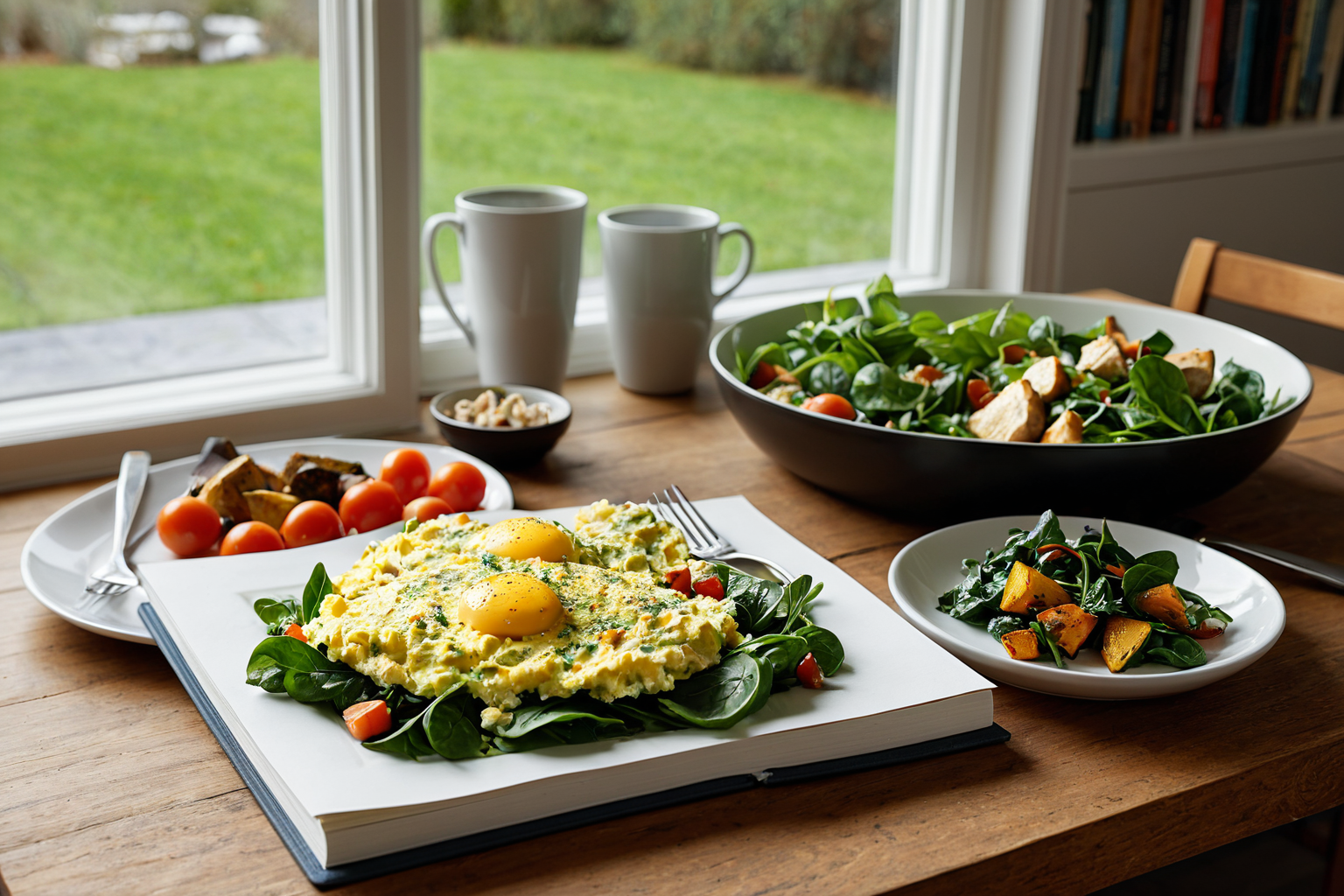
Menopausal women need increased protein intake due to muscle loss. Boost protein by including two eggs and chicken breast in daily meals, while following a low-carb diet to regulate insulin response. Research indicates reducing red meat consumption and increasing specific nutrients is effective for menopause weight management.
Example: Breakfast - 2 eggs, whole grain toast, green tea; Lunch - Chicken breast salad, half portion of brown rice; Dinner - Baked salmon, stir-fried vegetables
Routine 2: Combining Diet and Exercise Routine
Menopause weight loss has limitations when relying solely on diet. A Hidoc interview recommends 'balanced meals combined with light cardio,' which helps improve metabolism. Daily 30-minute walks or yoga can maintain muscle mass while boosting metabolism.
Example: Breakfast - Protein salad, fruit; Lunch - Brown rice, tofu stew; Dinner - Boiled fish, kelp soup
Routine 3: Meal Timing Adjustment and Nutritional Enhancement
Due to slower metabolism in menopausal women, adjusting meal intervals is important. In addition to three regular meals, include snacks like almonds or yogurt to stabilize blood sugar. Also, maintain bone health with vitamin D and calcium intake, compensating for nutrients often lacking during weight loss.
Example: Breakfast - 2 eggs, whole grain toast; Lunch - Chicken breast salad, brown rice; Snack - 15g almonds, yogurt; Dinner - Baked salmon, stir-fried vegetables
Medical Basis and Considerations for Menopause Weight Loss
Menopause weight loss must account for slowed metabolism due to hormonal changes. Research shows that specific meal plans can reduce obesity risk by 54% through increased protein intake, reduced red meat consumption, and balanced nutrient intake.
Excessive fasting is harmful to health, and while some celebrity cases reported 'fasting once a week' helped with weight loss, this varies individually and excessive fasting isn't recommended. For An So-hee and Kim Sa-rang, proper weight management was emphasized through daily methods, while Yoon Eun-hye reportedly lost 3kg in one week with specific diet alone.
Specific Meal Plan Details Aligned with Menopausal Characteristics
Menopause weight loss meal plans should consider hormonal changes and metabolic slowdown. Reducing red meat intake and building balanced meals rich in protein, vitamins, and minerals is crucial. According to Professor An Cheol-woo's research at Yonsei University, menopause weight management requires a focus on hormonal balance and metabolism improvement.
Example: Breakfast - 2 eggs, whole grain toast, green tea; Lunch - Chicken breast salad, half portion of brown rice; Dinner - Baked salmon, stir-fried vegetables. This meal plan increases protein intake, reduces red meat consumption, and promotes metabolic improvement through balanced nutrients.
Main Causes and Actions for Menopause Weight Loss
Menopausal weight gain stems from reduced muscle mass and slowed metabolism due to declining sex hormones, potentially leading to 5-10kg weight gain. Over 70% of menopausal women experience weight gain. Reducing red meat consumption and increasing protein intake are recommended for menopause weight loss.
Additionally, combining exercise with diet is essential for menopause weight loss. A Hidoc interview recommends 'balanced meals combined with light cardio' to improve metabolism. Daily 30-minute walks or yoga can maintain muscle mass while boosting metabolism.
Menopause weight loss meal routines aim to increase protein intake, reduce red meat consumption, and achieve balanced nutrient intake based on menopausal characteristics. Success stories from Jang Gahyeon and An Seonyeong show 10kg weight loss and long-term body shape maintenance through these meal routines.
Important Points to Verify for Menopause Weight Loss Information
Menopause weight loss must consider hormonal changes and metabolic slowdown in menopausal women. Research shows that reducing red meat consumption and increasing specific nutrients is effective for menopause weight management. Additionally, menopause weight loss requires a balanced diet combined with exercise, not just calorie restriction.
When verifying information about menopause weight loss, it's essential to check 'specific meal plan details aligned with menopausal characteristics' and 'medical basis for menopause weight loss.' Professor An Cheol-woo's '15-Minute Hormone Revolution' offers a professional approach to menopause weight management.
Frequently Asked Questions
How should I start menopause weight loss?
Start with a balanced diet focused on increased protein intake and reduced red meat consumption, combined with light exercise. Daily 30-minute walks or yoga can help improve metabolism.
Does excessive fasting help with menopause weight loss?
No, excessive fasting is harmful to health and not recommended. While some celebrity cases reported 'fasting once a week' helped with weight loss, this varies individually, and balanced diet combined with exercise is essential.
How can I specifically plan meal routines for menopause weight loss?
Menopause weight loss meal routines should aim to increase protein intake, reduce red meat consumption, and achieve balanced nutrient intake. Example: Breakfast - 2 eggs, whole grain toast; Lunch - Chicken breast salad, brown rice; Dinner - Baked salmon, stir-fried vegetables.
Success Stories and Future Outlook for Menopause Weight Loss
Menopause weight loss can be achieved through personalized meal plans and exercise that account for hormonal changes and metabolic slowdown. Success stories from Jang Gahyeon and An Seonyeong show 10kg weight loss and long-term body shape maintenance, made possible by menopause-specific meal routines.
Professor An Cheol-woo's '15-Minute Hormone Revolution' presents a professional approach to menopause weight management, which will be an important reference for health management and weight loss among menopausal women.
You can view similar articles in one place.
See More Related ArticlesFAQ
How should I start menopause weight loss?
Start with a balanced diet focused on increased protein intake and reduced red meat consumption, combined with light exercise. Daily 30-minute walks or yoga can help improve metabolism.
Does excessive fasting help with menopause weight loss?
No, excessive fasting is harmful to health and not recommended. While some celebrity cases reported 'fasting once a week' helped with weight loss, this varies individually, and balanced diet combined with exercise is essential.
How can I specifically plan meal routines for menopause weight loss?
Menopause weight loss meal routines should aim to increase protein intake, reduce red meat consumption, and achieve balanced nutrient intake. Example: Breakfast - 2 eggs, whole grain toast; Lunch - Chicken breast salad, brown rice; Dinner - Baked salmon, stir-fried vegetables.
Korean Source
This article is an English localization of a Korean-language report from BlogScore. Original: 갱년기 체중 감량에 효과적인 3가지 식단 루틴