
25th Division Landmine Explosion Incident: Issues Revealed in Inspection Report
25th Division Landmine Explosion Incident: Issues Revealed in Inspection Report
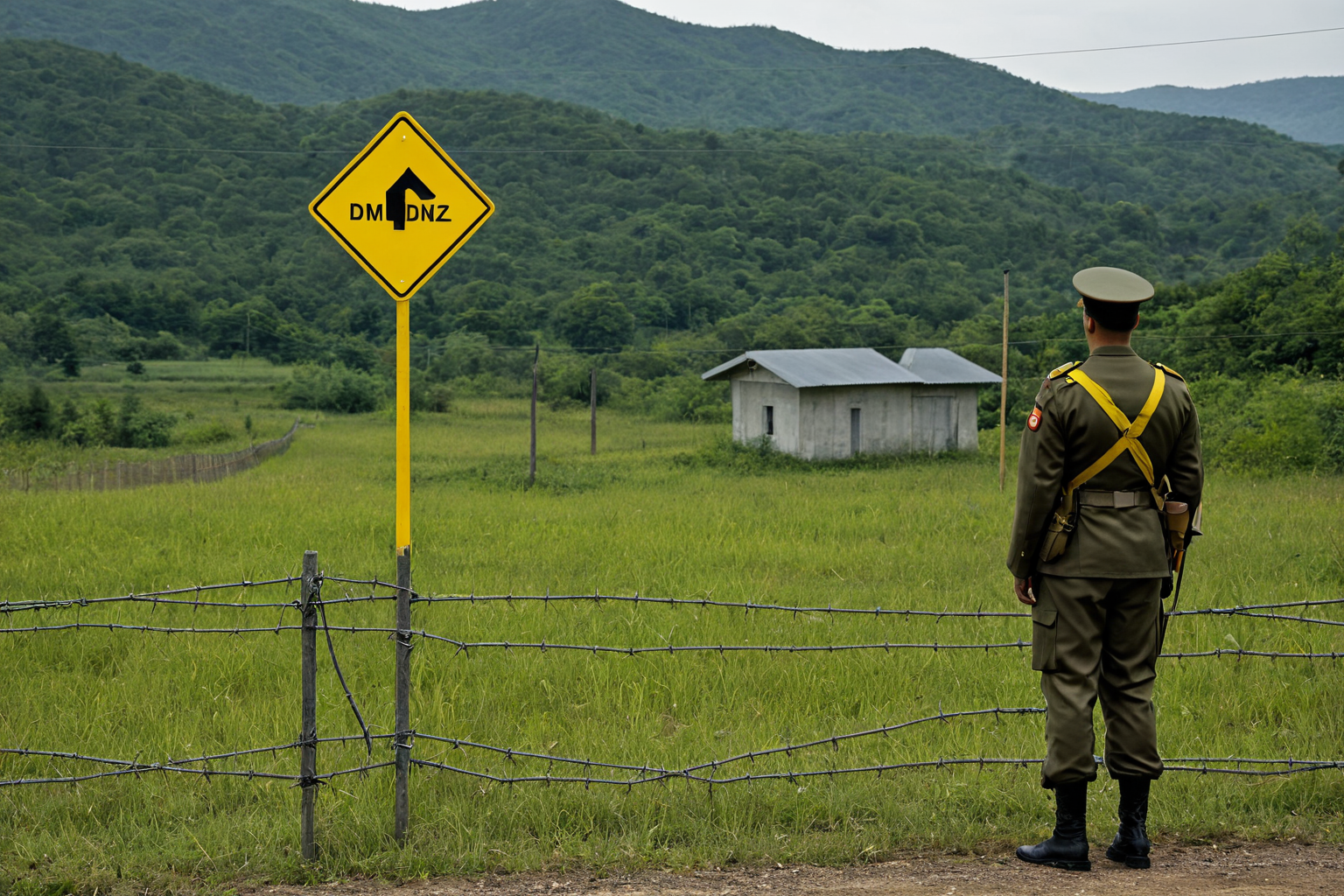
The death of a military officer discovered at the scene of a landmine explosion on September 23, 2026, within the DMZ was confirmed. Initial reports included an assessment that the mine might be a North Korean 'buried mine,' which later appeared to have been removed from the document, raising questions about transparency.
Incident and Initial Response
A landmine explosion occurred at a 25th Division unit within the DMZ on the morning of September 23, 2026, resulting in the death of a military officer. The military began an investigation but did not coordinate with the UN Command initially. Early reports cited the cause as a 'North Korean buried mine,' though this was later revised, sparking controversy.
On September 27, both the military and UN Command entered the DMZ explosion site for the first time in five days to begin investigating the cause—a necessary step in determining whether the armistice agreement had been violated. However, revisions to the initial report damaged trust in the investigation process.
Report Alteration Concerns and UN Command Assessment
On September 28, Rep. Na Kyung-won revealed that an early military report had included a statement about 'North Korean buried mines' but later removed it. This information, which could have indicated North Korea's potential deployment of landmines, was lost due to the report revision, complicating the truth-finding process. The military provided no explanation for how the report was revised, raising concerns about government transparency.
The UN Command conducted on-site investigations starting September 27 and confirmed that North Korea had planted landmines within the DMZ, ruling it a violation of the armistice agreement. This determination confirms North Korea's deployment of mines in the DMZ from an international legal perspective and could influence future inter-Korean dialogue and negotiations.
National Defense Committee Inspection and Cross-Party Disputes
On September 28, the National Defense Committee planned to visit the explosion site but faced opposition from the opposition party, which declined to attend. This deepened existing disputes between parties over how to investigate the incident. While the ruling party sought direct evidence through on-site visits, the opposition demanded hearings and national investigations as criticism of the government's transparency intensified.
National Defense Committee Chairman Jin Sung-joon visited the DMZ site on September 27 to inspect measures for identifying the cause of the accident. However, due to the absence of opposition members, the committee's inspection was not fully carried out. This incident highlighted limitations in truth-seeking due to lack of cooperation between government and political parties—a problem that needs improvement for future similar incidents.
Joint Chiefs' Announcement and Truth Investigation
On September 29, the Joint Chiefs announced they had discovered a North Korean military mine at the DMZ explosion site. This discovery supported the UN Command's assessment. The Joint Chiefs confirmed ownership of the mine by North Korea, allowing for clear determination of whether the armistice agreement was violated.
On September 25, the Chairman of the Joint Chiefs visited the unit involved in the accident to inspect preparations for on-site investigation. However, as cross-party disputes intensified during the truth-finding process, criticism of government response increased. Despite further investigations after discovering the mine, trust in the process was damaged by earlier report revisions.
Armistice Violation and Proposed Countermeasures
After UN Command ruled North Korea's landmine planting a violation of the armistice agreement, Kang Shin-cheol emphasized the clarity of this violation and proposed implementing countermeasures step-by-step. This could serve as both a warning against North Korean provocations and an important opportunity for improving and stabilizing inter-Korean relations.
Two explosion sounds were heard at the time of the incident, consistent with characteristics of North Korean buried mines. This explains why early reports included 'North Korean buried mine' assessments. Buried mines typically produce two explosion sounds and are a known type used by North Korean forces.
Importance of Truth Investigation
The 25th Division landmine incident became an important case for determining whether the armistice agreement was violated. While UN Command and military investigations clearly identified North Korea's provocative actions, revisions to reports damaged public trust in the investigation process. This has raised doubts about government transparency and fairness.
The National Defense Committee's planned on-site inspection being canceled due to opposition absence highlighted political disputes during truth-seeking—a reminder of the importance of cooperation between government and political parties. For future similar incidents, it is necessary for government and ruling parties to work together quickly to ensure thorough investigation.
Verified Information
The two explosion sounds heard at the time of the incident matched North Korean buried mine characteristics, explaining why early reports included 'North Korean buried mine' assessments. This serves as a key piece of evidence for the initial report's content.
UN Command's ruling that North Korea planted landmines within the DMZ—confirmed as planting rather than loss—is an obvious violation of the armistice agreement, necessitating step-by-step implementation of countermeasures.
The mine discovered by the Joint Chiefs at the explosion site was confirmed to be a North Korean military mine, consistent with UN Command's findings and serving as key evidence proving the armistice agreement violation. This is an important case demonstrating that North Korea planted mines in the DMZ.
Frequently Asked Questions
Why did initial military reports include 'North Korean buried mine' assessment?
What specific evidence confirmed UN Command's ruling of North Korea planting landmines as an armistice violation?
Why was the National Defense Committee's on-site inspection canceled due to opposition absence?
You can view similar articles about this topic in one place.
View Related ArticlesFAQ
Why did initial military reports include 'North Korean buried mine' assessment?
Early reports included this assessment because two explosion sounds were heard at the time of the incident, consistent with North Korean buried mines which typically produce two explosions.
What specific evidence confirmed UN Command's ruling of North Korea planting landmines as an armistice violation?
The Joint Chiefs discovered a North Korean mine at the DMZ site, confirming ownership and matching UN Command's findings that North Korea planted mines within the DMZ.
Why was the National Defense Committee's on-site inspection canceled due to opposition absence?
The opposition party declined to attend the planned visit, deepening political disputes over how to investigate the incident and preventing a full committee inspection of the site.
Korean Source
This article is an English localization of a Korean-language report from BlogScore. Original: 25사단 지뢰 폭발 사고, 점검 보고서 공개로 드러난 문제점