
2026 Rainy Season Guide: When to Expect It in South Korea
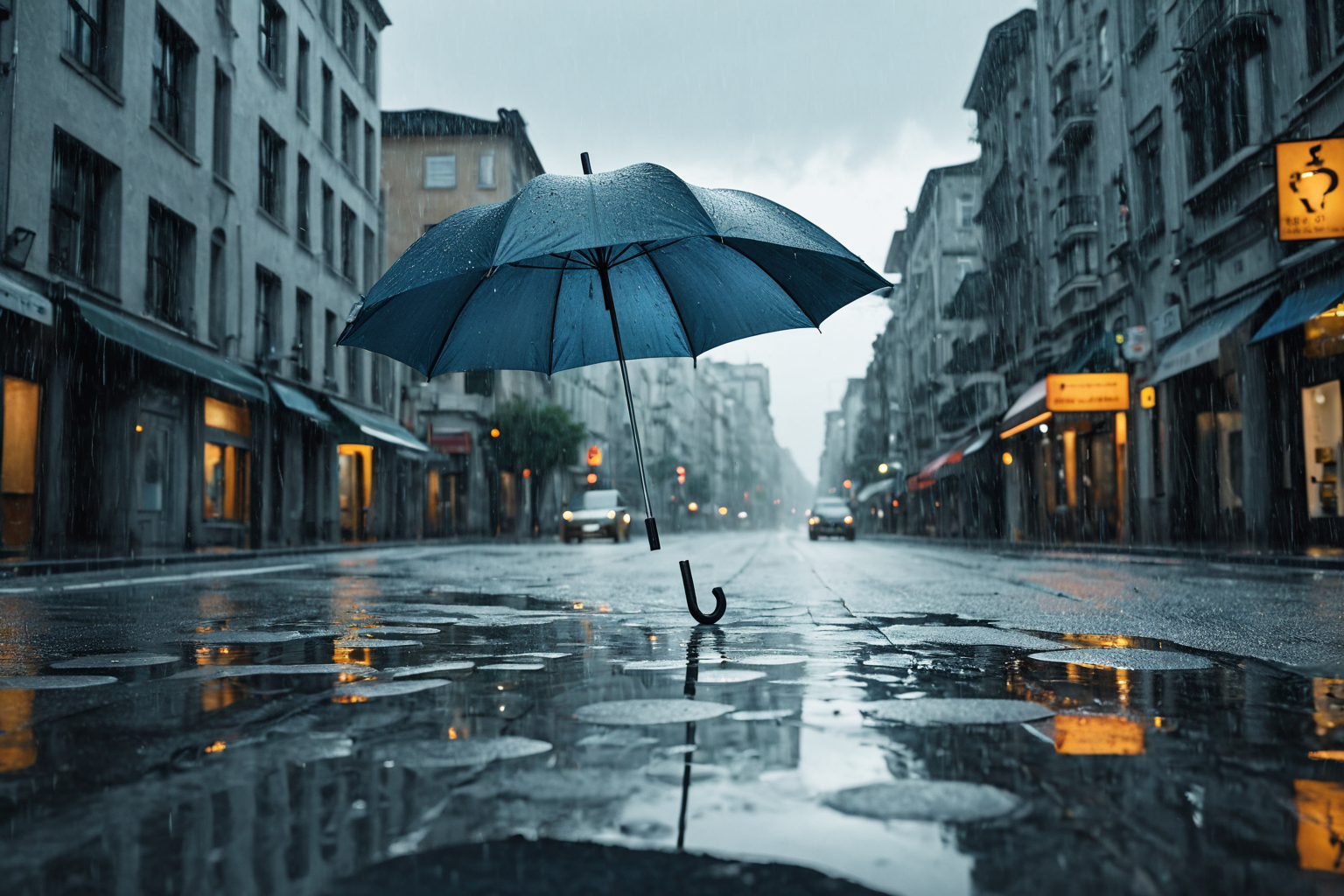
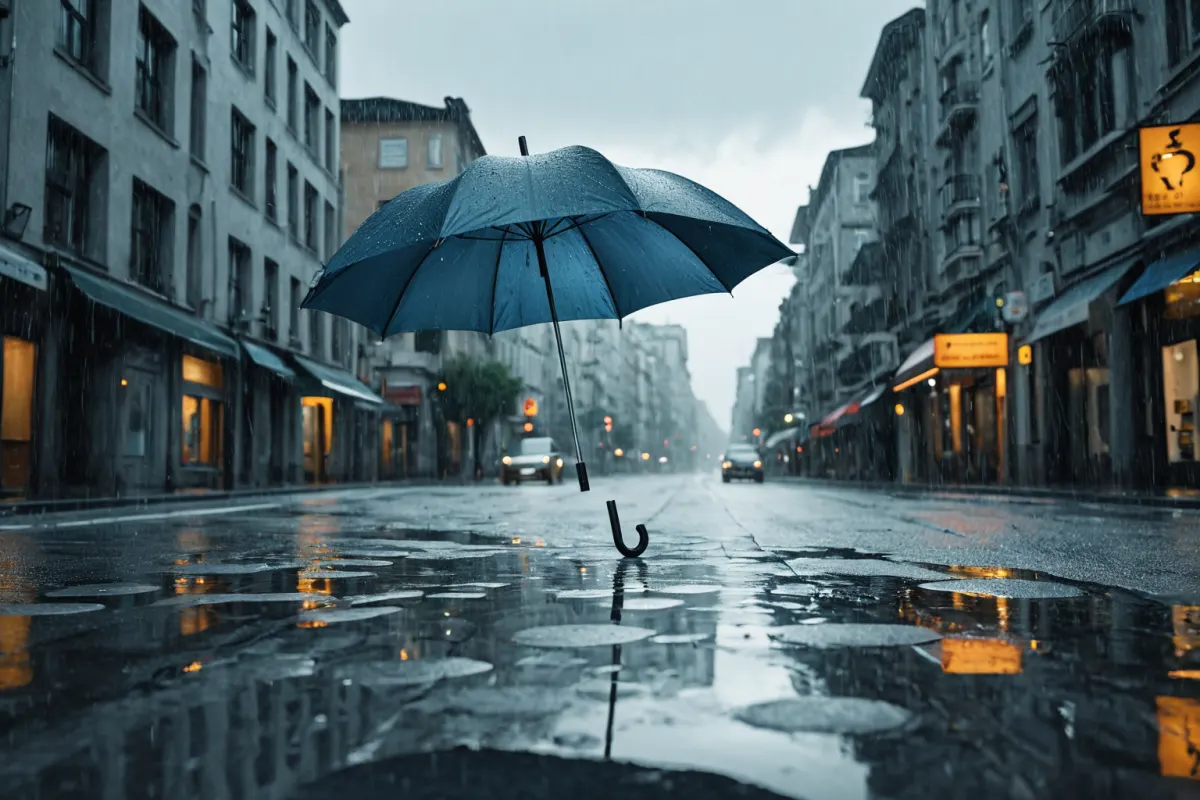
The rainy season in South Korea typically arrives around the same time each year, but exact start and end dates vary annually. Many people searching for "2026 rainy season" want to know not just specific dates, but when to begin preparations and how regional differences might affect them. This guide breaks down the basics of Korea's rainy season, expected timing for 2026, and practical life preparation tips in an easy-to-understand way.
First, it's important to note that the official start and end dates for the 2026 rainy season have not yet been confirmed. The most accurate information comes from official meteorological observations and announcements by the Korea Meteorological Administration (KMA). Start and end dates can vary slightly each year based on weather patterns. Therefore, the following content is an estimated guide based on historical patterns, not a definitive schedule.
Why Does the Rainy Season Date Change Each Year?
Korea's rainy season typically occurs due to prolonged periods of rain brought by a stationary rain belt. In simple terms, it's not just heavy downpours but a period of frequent light to moderate rain lasting several days or weeks. The exact timing depends on the position of the North Pacific High and the rain front, so there is no fixed annual date.
For example, in some years it may start late June and end mid-July, while other years might see a later start around early July. Therefore, when planning for the 2026 rainy season, it's more practical to prepare for the general period of late June through mid-July rather than specific dates. However, regional differences can affect how people experience the season, so checking the KMA's official website for the latest updates is recommended.
You can find similar articles in one place.
View Related ArticlesWhen Can You Expect the 2026 Rainy Season in South Korea?
Historically, central regions typically experience the rainy season from late June to mid-July, while southern areas often see it from late June through late July. Jeju Island may start earlier or have a longer duration, leading to different perceived timing. For 2026, preparing within this general range is advisable.
For example, if you live in Seoul, many people search for "2026 rainy season in Seoul." Since Seoul follows the central region pattern, it's recommended to start preparing with umbrellas, vehicle maintenance, and indoor humidity control between late June and mid-July. Meanwhile, southern regions like Busan or Jeju may benefit from checking weather conditions earlier.

Preparing in Advance Makes Life Easier During the Rainy Season
While checking weather forecasts helps anticipate rain, being prepared ahead of time makes a significant difference. Essential items to prepare include umbrellas, waterproof shoes, dehumidifiers, sealed containers, and proper indoor ventilation habits. High humidity can lead to mold and odors in homes, so proactive management is key.
For example, placing newspaper or desiccants in shoe closets and using moisture absorbers in wardrobes are simple steps. If you have a vehicle, check wiper condition, tire wear, and air conditioning airflow before the season begins. Rushing to prepare once rain starts can lead to shortages and congestion, so starting inspections around mid-June is recommended.
Common Mistakes Beginners Make During Rainy Season
A common mistake is assuming that the rainy season always starts on the same date each year. In reality, there's annual variation, and regional differences are significant. It's better to check multiple sources like KMA forecasts, news updates, and local weather information rather than relying solely on one blog post.
Another mistake is preparing only for rain itself, not considering secondary issues like high humidity, slippery surfaces, indoor mold, or reduced visibility. For instance, leaving windows open for extended periods can increase indoor humidity, and drying clothes indoors may cause odors. Instead, ventilate during short dry periods and use dehumidifiers or air conditioning's dehumidification function when humidity is high.
Japanese Rainy Season 2026: What Travelers Should Know
Search terms like "Japanese rainy season 2026," "Tokyo rainy season 2026," and "Osaka rainy season 2026" show many people also search for weather information in other countries. Japan experiences a similar rainy front, but start and end dates vary by region. Generally, southern areas begin earlier, while northern regions see later starts.
However, cities like Tokyo, Osaka, Kyushu, and Hokkaido can have significantly different perceived timing. If traveling to Japan in 2026, check official weather forecasts right before departure as the rainy season directly impacts travel plans, accommodations, and transportation. For overseas weather, always refer to local meteorological agencies for the most accurate information.
What Weather Information Should You Check Before the Rainy Season?
When checking rainy season forecasts, look beyond just dates—consider precipitation probability, cumulative rainfall, humidity, wind, and perceived temperature. Different types of rain (short showers vs. prolonged downpours) affect daily life differently. If you have commutes, school schedules, or outdoor activities planned, check hourly forecasts for the most relevant timing.
For example, if morning is clear but heavy rain is expected in the afternoon, prepare not just an umbrella but also waterproof shoes and extra clothes. Activities like farming, camping, cycling, or delivery services that are highly weather-dependent require more detailed forecast checks. Since rainy season forecasts can change frequently, it's wise to check updates once the day before, early morning of the day, and right before heading out.
Summary: Understanding the 2026 Rainy Season
To summarize, while official dates for the 2026 rainy season are not yet confirmed, South Korea generally prepares for a period spanning late June to mid-July. For Seoul and central regions, this timeframe is standard; southern areas and Jeju may experience earlier starts or longer durations.
The key isn't memorizing exact dates but preparing in advance. Having umbrellas, waterproof items ready, managing indoor humidity, and checking vehicles beforehand can significantly reduce discomfort during the rainy season. Remember that actual start and end dates vary annually, so always confirm with the latest KMA announcements.
Frequently Asked Questions
Q1. When exactly is the 2026 rainy season?
The exact dates have not been officially confirmed yet. Based on historical patterns, Korea typically experiences the rainy season from late June through mid-July, but annual variations are possible. Always check the KMA's official announcements for accuracy.
Q2. Is the 2026 rainy season in Seoul similar to the national pattern?
The overall trend is similar, but Seoul follows central region patterns, so regional timing might differ slightly. Compared to southern areas or Jeju, the start and end dates could vary even within the same year.
Q3. When should I start preparing for the rainy season?
Starting preparations around mid-June is ideal—umbrellas, dehumidifiers, waterproof items, and vehicle checks. It's best to prepare before official forecasts indicate the rainy season has begun.
Continue exploring similar topics.
View Category ArticlesFAQ
When exactly is the 2026 rainy season?
The exact dates have not been officially confirmed yet. Based on historical patterns, Korea typically experiences the rainy season from late June through mid-July, but annual variations are possible. Always check the KMA's official announcements for accuracy.
Is the 2026 rainy season in Seoul similar to the national pattern?
The overall trend is similar, but Seoul follows central region patterns, so regional timing might differ slightly. Compared to southern areas or Jeju, the start and end dates could vary even within the same year.
When should I start preparing for the rainy season?
Starting preparations around mid-June is ideal—umbrellas, dehumidifiers, waterproof items, and vehicle checks. It's best to prepare before official forecasts indicate the rainy season has begun.
Korean Source
This article is an English localization of a Korean-language report from BlogScore. Original: 2026 장마기간 총정리: 한국 장마 시작일과 종료 시기 예상