
2018 Heatwave: Agricultural Damage Statistics and Prevention Strategies
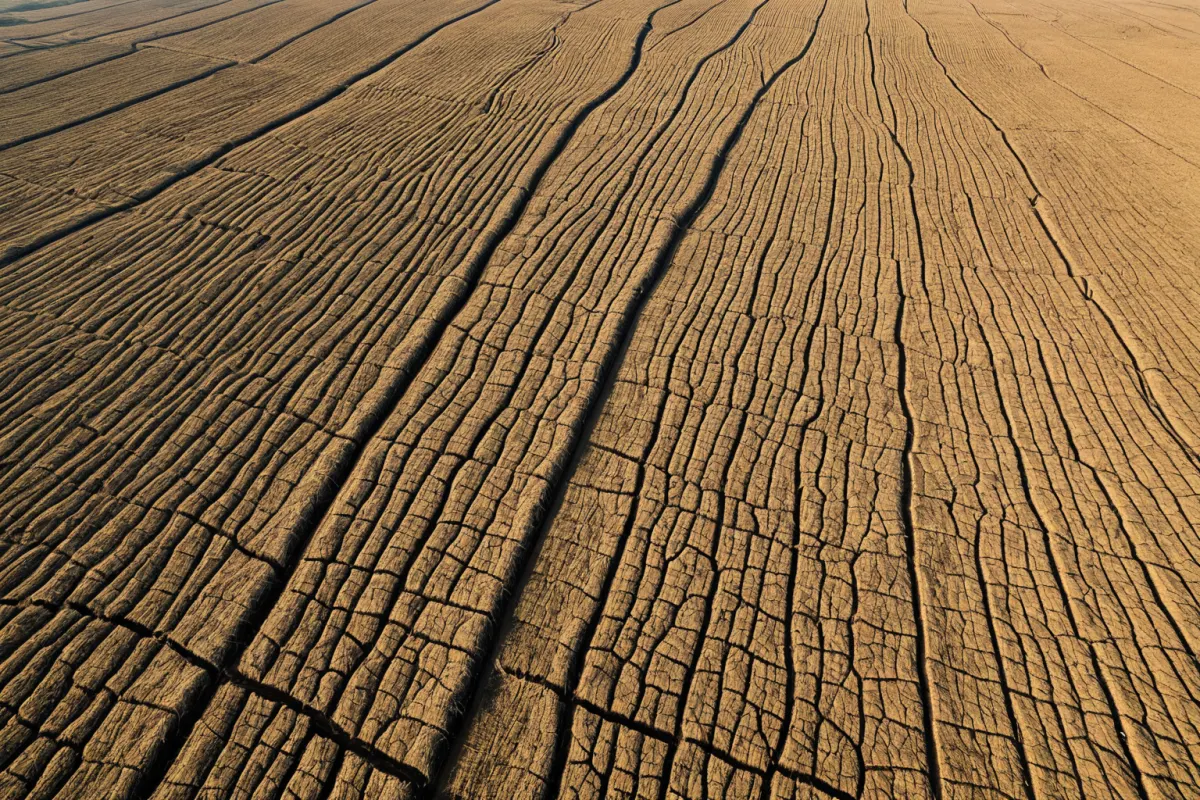
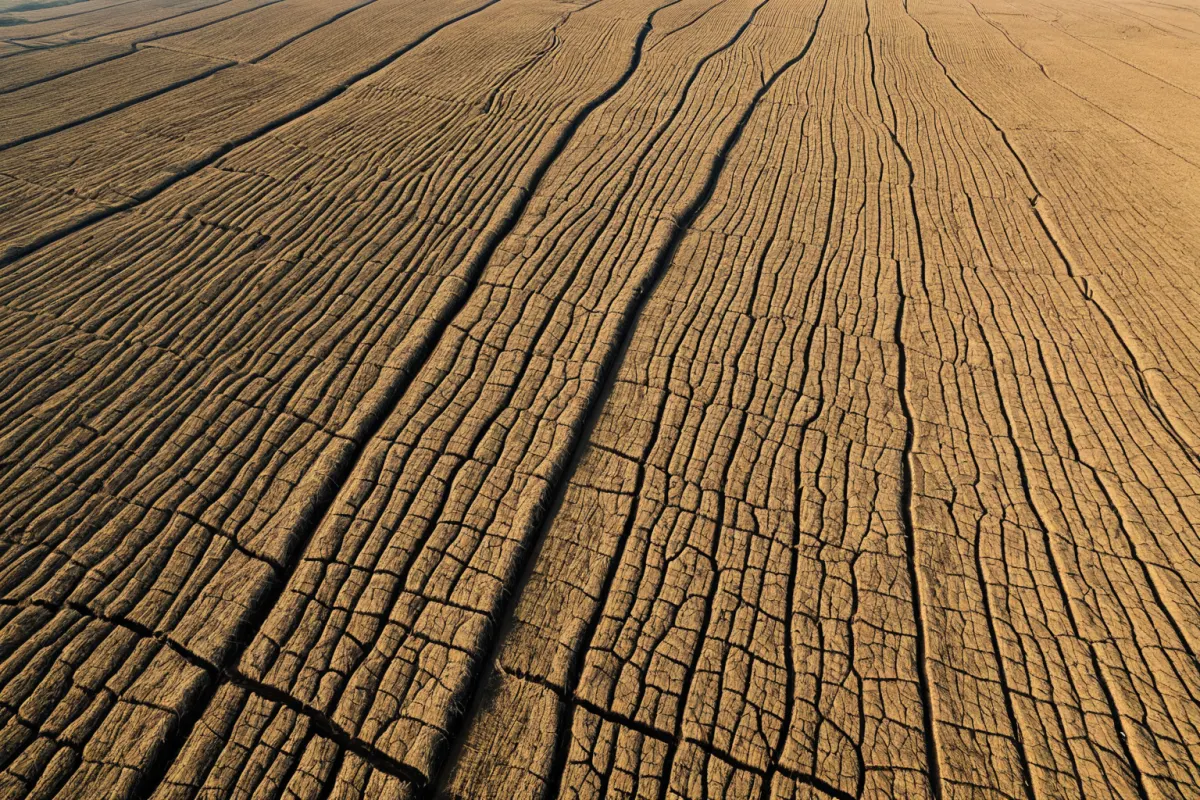
2018 Heatwave Agricultural Damage: Record Temperatures and Direct Loss Scale
In the summer of 2018, the Korean Peninsula experienced a record-breaking heatwave that caused ₩35 billion in direct agricultural losses. The highest recorded temperature reached 41.4°C, triggering emergency measures in Gangwon and Chungbuk provinces due to heatstroke cases. This widespread disaster not only caused economic damage from crop failures but also contributed to rising food prices.
Actual Scale of 2018 Heatwave Damage: Data-Driven Analysis
The heatwave that occurred between July and August 2018 had particularly severe impacts on the agricultural sector. According to statistics, direct losses from agricultural damage totaled ₩35 billion. This was a result of record high temperatures (41.4°C) combined with drought and high water temperatures.
Especially in mountainous areas of Gangwon Province, crop damage during harvest season affected rice and fruit crops significantly. Agricultural experts explained that rising temperatures reduced seed germination rates and shortened growth cycles, leading to quality deterioration. In Chungbuk Province, a major apple and pear production area, harvests decreased by over 30%.
Heatstroke cases surged in Gangwon and Chungbuk due to the heatwave, prompting local governments to activate emergency response systems. This crisis affected not only public health but also agricultural production and daily life. In particular, over 100 heatstroke cases were reported in Chungbuk during the heatwave period, with some requiring hospitalization.
Historical Changes and Recent Trends of Heatwaves
The 2018 heatwave was viewed as an indicator of climate change on the Korean Peninsula, not just a weather event. In the past decade since 2018, summer temperatures have risen, with more frequent heatwaves and increased hot nights in Daejeon, Sejong, and Chungnam regions.
Notably, in 2024, the number of heatwave days exceeded that of 2018 at 14.8 days. This suggests a shift toward subtropical climate conditions on the Korean Peninsula, accelerating threats to agricultural production. The number of heatwave days in Daejeon, Sejong, and Chungnam regions has more than doubled from 7.5 days in 2018 to 14.8 days in 2024—a clear reflection of accelerating climate change.
According to the Korea Meteorological Administration (KMA), rising heatwave days are linked to global warming, with increased high-temperature days during summer directly lowering agricultural productivity. The frequency of heatwaves has also shortened since 2018, leaving farmers less time to respond.
Causes of Heatwaves and Structural Issues
The 2018 heatwave was linked not only to weather but also to structural issues. Current early warning systems had limitations in responding to heatwaves, making the adoption of smart farm technology urgent for the agricultural sector.
Limitations in the early warning system were evident in insufficient pre-heatwave predictions and inadequate information provided to farmers for effective response. While the Meteorological Administration issued a heatwave alert in 2018, detailed regional response plans were not established, leading to increased damage.
A similar situation occurred in Europe, where agricultural losses from heatwaves reached €2 billion. This global example highlights the need for climate change adaptation measures. In particular, European countries have actively implemented policy support and smart farming adoption for heatwave response.
Prevention Strategies for the Future: Smart Farming and Enhanced Emergency Systems
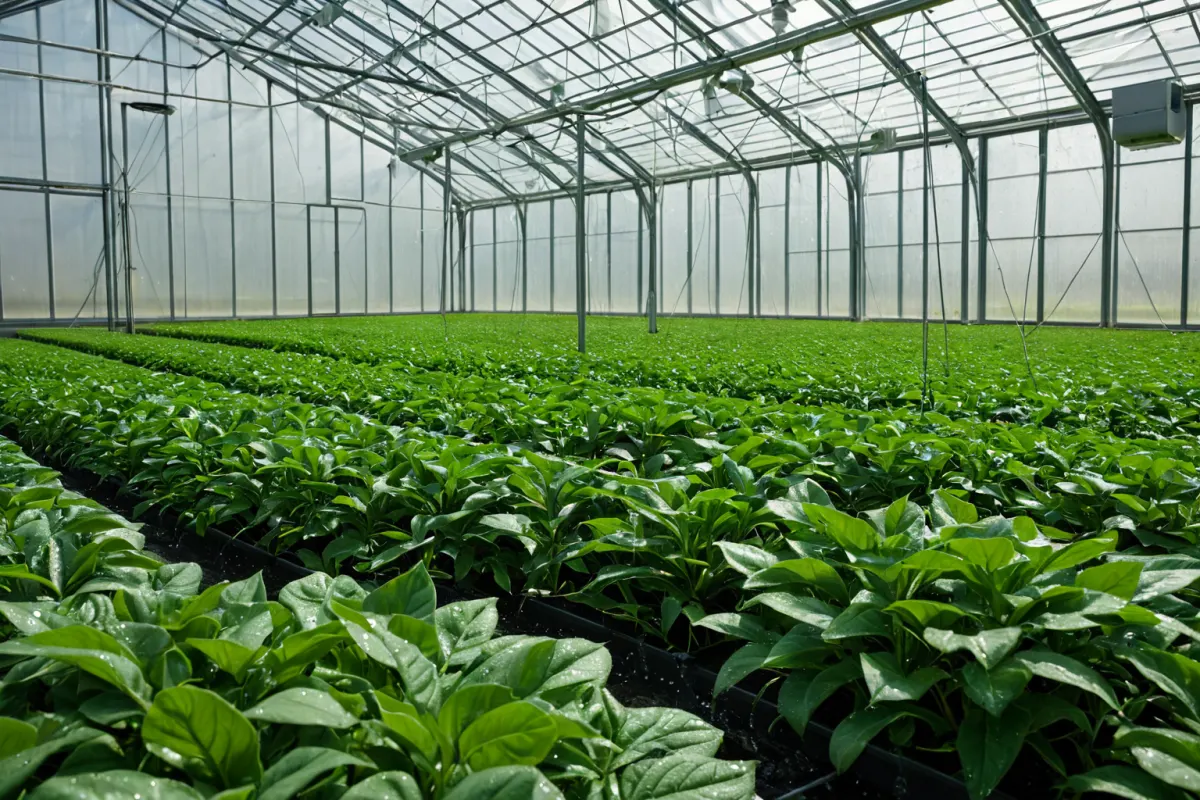
The agricultural sector should adopt smart farm technology to improve heatwave response capabilities. Smart farms can analyze climate data in real-time, automatically activate irrigation systems, and adjust temperatures to minimize crop damage.
Specifically, through smart farm adoption, farmers can take preventive measures before a heatwave occurs. For example, based on real-time weather data, automatic irrigation systems can prevent moisture loss in crops, or temperature control devices can optimize the farm environment internally.
Additionally, to address limitations in current early warning systems, governments and local authorities should improve heatwave response strategies. To prevent recurrence of disasters like 2018, pre-established emergency response systems and tailored information for farmers are crucial. For example, establishing a system that alerts farmers about potential heatwaves by region or providing detailed content on response measures.
Key Information to Verify: Heatwave Data and Climate Change Trends
The scale of agricultural damage from the 2018 heatwave is documented in government reports and news articles, with current early warning system limitations also noted. The fact that 2024's heatwave days (14.8) exceeded those of 2018 indicates accelerating climate change.
Recent trends over the past decade in Daejeon, Sejong, and Chungnam regions—rising summer temperatures, increased heatwaves, and more hot nights—are also verifiable. According to KMA data, average summer temperatures in these areas rose from 23.5°C in 2014 to 25.8°C in 2024—a direct result of climate change.
Agricultural professionals and government officials are using this data to develop heatwave response strategies. For example, agricultural research institutes are focusing on developing heat-resistant crop varieties, while local governments are expanding support policies for smart farming adoption.
Frequently Asked Questions
What was the scale of agricultural damage from the 2018 heatwave?
The direct loss in agriculture from the 2018 heatwave totaled ₩35 billion. This resulted from a combination of record high temperatures (41.4°C) and concurrent drought and high water temperature conditions.
Has the number of heatwave days in 2024 exceeded that of 2018?
Yes, the number of heatwave days in 2024 reached 14.8 days, surpassing the 2018 figure. This indicates accelerating climate change on the Korean Peninsula.
How can smart farming help with agricultural heatwave response?
Smart farms use real-time climate data analysis and automatic irrigation and temperature control systems to minimize crop damage. This enhances heatwave response capabilities for agriculture.
Frequently Asked Questions
The 2018 heatwave marked a turning point in South Korea's climate change trajectory, not just a weather event. It highlighted structural issues that accelerated threats to agricultural production. For the future, adopting smart farming and strengthening emergency response systems is essential to minimize heatwave-related damage.
Based on the lessons from the 2018 heatwave, South Korean agriculture must develop strategies to respond to climate change. This goes beyond reducing economic losses—it contributes to building a sustainable agricultural ecosystem.
You can view similar articles on this topic in one place.
View Related ArticlesFAQ
What was the scale of agricultural damage from the 2018 heatwave?
The direct loss in agriculture from the 2018 heatwave totaled ₩35 billion. This resulted from a combination of record high temperatures (41.4°C) and concurrent drought and high water temperature conditions.
Has the number of heatwave days in 2024 exceeded that of 2018?
Yes, the number of heatwave days in 2024 reached 14.8 days, surpassing the 2018 figure. This indicates accelerating climate change on the Korean Peninsula.
How can smart farming help with agricultural heatwave response?
Smart farms use real-time climate data analysis and automatic irrigation and temperature control systems to minimize crop damage. This enhances heatwave response capabilities for agriculture.
Korean Source
This article is an English localization of a Korean-language report from BlogScore. Original: 2018년 폭염 농업 피해 통계와 예방 전략